


For many, spending time outside is a respite from modern life.
But in certain regions of upstate New York, these everyday rituals are increasingly colliding with a fast-growing public health concern that is harder to see and even harder to control.
In Canandaigua, officials considered an ad hoc committee on tick-borne disease education and prevention after cases surged across Ontario County, the Democrat & Chronicle reported in February.
By April, the seven-member ad hoc committee was officially complete, according to the Finger Lakes Times.
What's happening?
Lyme disease cases surged from 31 in 2020 to 337 in 2025.
Anaplasmosis, a potentially more serious illness with a roughly 25% hospitalization rate, rose from one case to 23 during the same period.
TCD Picks » Quince Spotlight
💡These best-sellers from Quince deliver affordable, sustainable luxury for all




"This is not an insignificant public health issue," said Councilmember Doug Merrill, who chairs the city's environmental committee.
Merrill has also pointed to a growing deer population, which sustains tick populations and increases the risk of vehicle crashes.
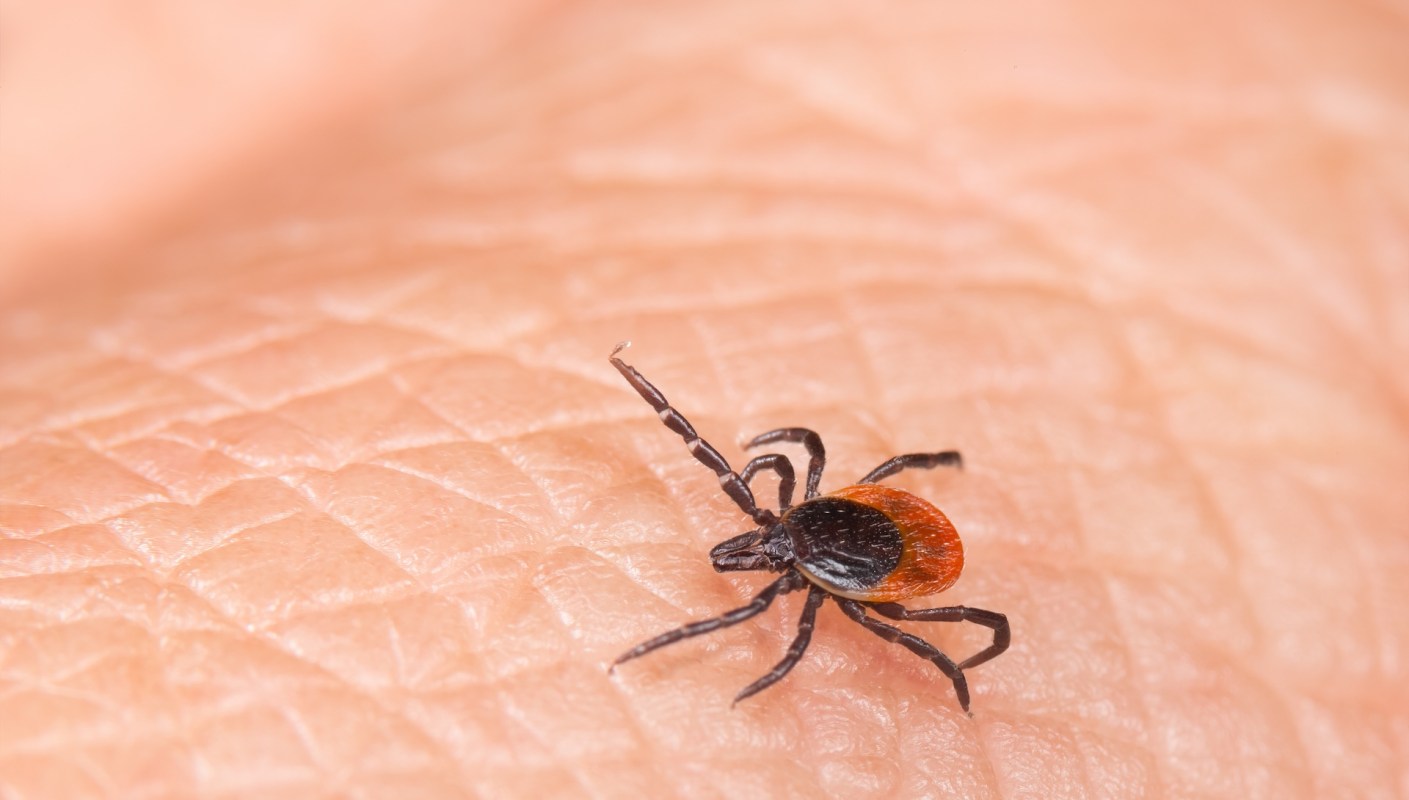
Blacklegged ticks, commonly known as deer ticks, thrive in shaded, moist areas and attach to people after clinging to grasses and shrubs.
"Despite strong efforts by public health officials to warn our citizens about the risks, tick-borne disease cases are rising in Ontario County at an alarming rate," Merrill said. "City Council believes we need to explore additional strategies to better educate and protect our residents."
Lyme disease remains the most common tick-borne illness in New York. Symptoms can include a bull's-eye-shaped rash, fever, fatigue, chills, and muscle aches.
|
Which of these savings plans for rooftop solar panels would be most appealing for you?
Click your choice to see results and earn rewards to spend on home upgrades. |
 Save $1,000 this year 💸
 Anaplasmosis often mirrors those flu-like symptoms but typically appears without a rash, making early diagnosis more difficult.
Why is this rise in tick-borne illnesses concerning?
Tick-borne illnesses are spreading in part because environmental disruption creates ideal conditions for their spread.
Warmer winters allow more ticks to survive year-round, while fragmented forests and expanding development push deer and rodents closer to neighborhoods, increasing human exposure risks.
The result is a growing health burden that touches everyday life.
Older adults who spend more time gardening or maintaining property may be at greater risk.
Rising case counts can also strain local health systems and demand stronger coordination between city and county officials.
What's being done about tick-borne disease?
The seven-member committee consists of community members who have "a combination of personal experience with tick-borne diseases, professional expertise in relevant disciplines, and connections to individuals, organizations, and agencies that can provide the committee with valuable insight and support," the Finger Lakes Times reported.
"First, it will prioritize the development and implementation of public education and outreach programs in collaboration with relevant agencies and organizations. Second, it will evaluate and recommend longer-term strategies to reduce tick population and limit exposure for county and city residents," Merrill said.
Public health officials continued to stress prevention: wearing long sleeves and light-colored clothing, using insect repellent with DEET, staying on cleared trails, and conducting full-body tick checks after time outdoors.
Showering within two hours of coming inside can also reduce the risk.
For residents, the message is clear: awareness and early action can make the difference between a tick bite and a serious illness.

Get TCD's free newsletters for easy tips, smart advice, and a chance to earn $5,000 toward home upgrades. To see more stories like this one, change your Google preferences here.







