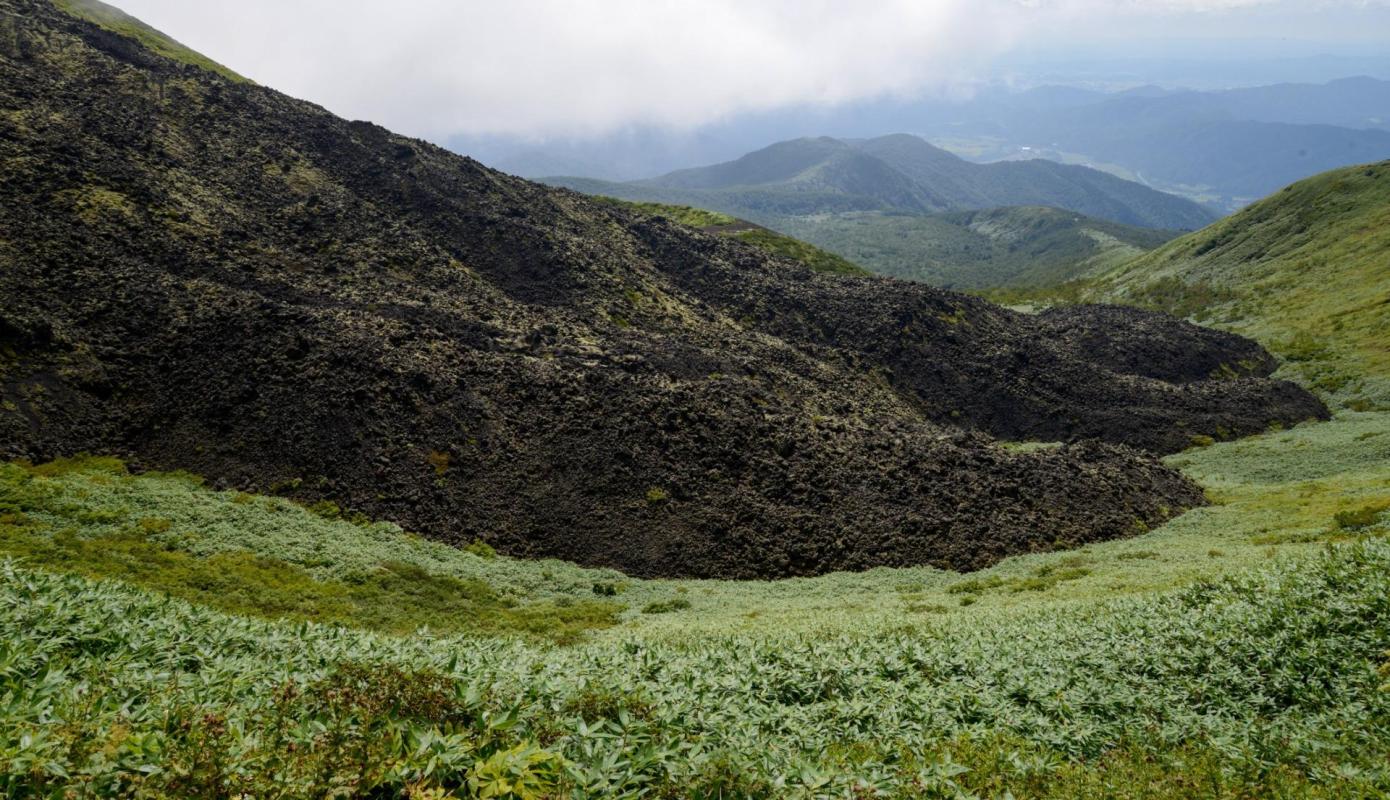
What was intended as a scenic hiking post instead drew widespread outrage online when it appeared to show a visitor lying on and rolling across protected alpine plants in Japan.
What happened?
The controversy centers on a Thai travel influencer based in Japan who has more than 100,000 followers. She posted photos and a video from Mount Komagatake in Akita Prefecture, a popular hiking spot known for its delicate alpine vegetation.
The content quickly spread on Japanese social media, where users accused her of damaging protected plant life inside a national park, Khaosod English reported.
One widely shared accusation went further, claiming she had picked alpine plants before posing on them.
One viral post about this incident stated, "A troublesome foreigner from Thailand picked alpine plants at Akita Komagatake and even proudly showed herself lying on the vegetation, destroying nature in a national park."
It also cited Japan's Natural Parks Act, stating that the alleged conduct is prohibited, and noted that rangers regularly patrol the area to protect its sensitive ecosystem, Khaosod English reported.
TCD Picks » Good Store Spotlight
Get 10% off your next purchase with code TCD10




As criticism intensified, some responses centered on protecting the landscape, while others became openly hostile. One commenter wrote, "Never come back!"
Why does it matter?
Alpine plants are especially vulnerable because they grow slowly and survive through short, harsh seasons. Just a few moments of trampling can wipe out years of growth, and damage in high-elevation environments can be particularly hard to reverse.
Protected mountain areas support biodiversity, help stabilize soil, and preserve landscapes valued by both local communities and visitors. When travelers ignore rules in these places, the consequences can extend from crushed plants to eroded trails and stressed habitats.
Such incidents can also put wildlife at risk. When tourists leave marked paths, crowd animals, or behave unpredictably in sensitive areas, human-wildlife conflicts become more likely. And when wild animals injure people, whether provoked or not, those animals may ultimately be euthanized.
The outrage also reflects a broader tension playing out in popular destinations around the world. Communities may welcome visitors, but not at the expense of the places people come to experience. Respect for nature and respect for local rules often go hand in hand.
What can I do?
Some protections are already in place. The area is patrolled by rangers, and Japan's Natural Parks Act is intended to prevent this kind of harm. Still, enforcement alone cannot protect every patch of fragile ground.
Stay on marked trails, do not pick plants, do not step, sit, or lie down in vegetation, and follow posted rules even if no one seems to be watching. If a destination has a roped-off area or a sign asking visitors to keep out, it should be treated as nonnegotiable.
Think carefully before posting. Travel content can influence thousands of people, and showing risky or destructive behavior can normalize it. If you witness damage or unsafe conduct in a protected area, alert park staff rather than escalating the situation yourself.

Get TCD's free newsletters for easy tips, smart advice, and a chance to earn $5,000 toward home upgrades. To see more stories like this one, change your Google preferences here.