


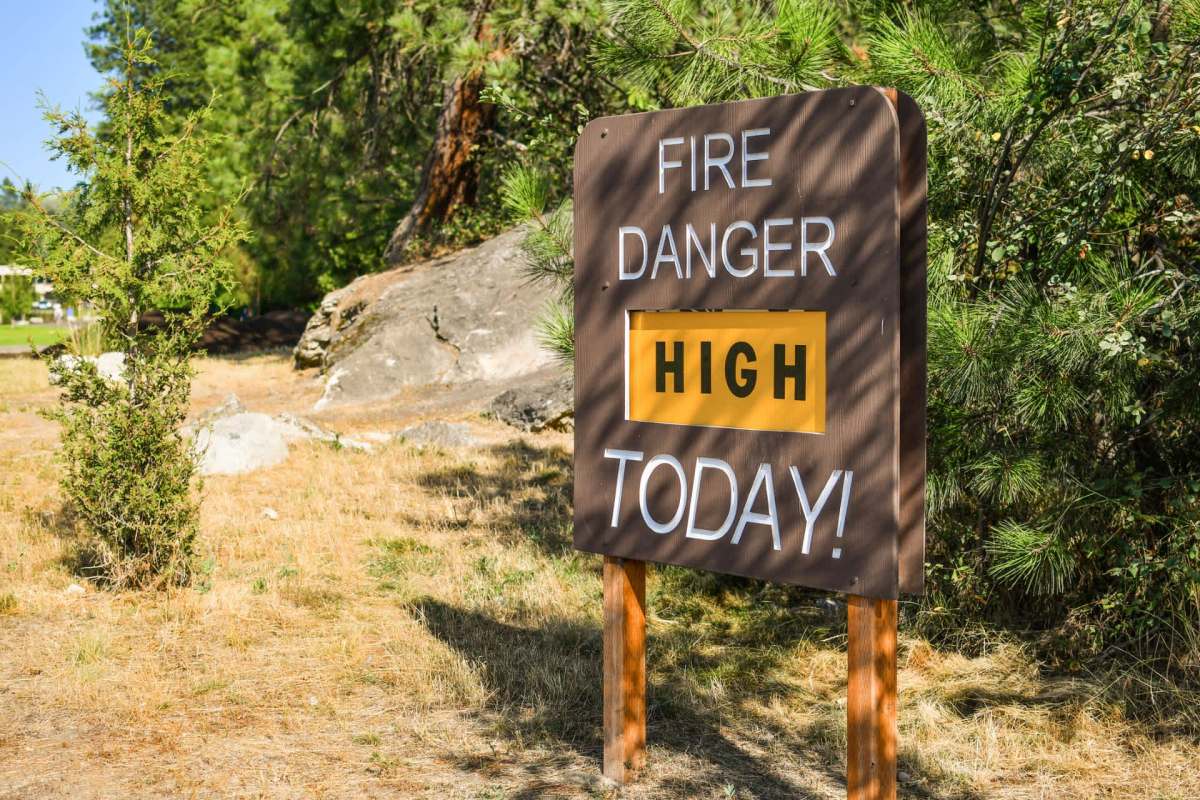
Across Texas' Crossroads and nearby Coastal Bend counties, a stretch of extreme heat, drying vegetation, and worsening drought readings is raising the wildfire threat.
Places that saw comparatively limited fire danger in July are now losing that cushion as the land dries out.
Here's what to know
Limited rainfall, high temperatures, and windy weather have made vegetation across the Crossroads more flammable, leading the Texas A&M Forest Service to warn that wildfire danger is increasing, as the Victoria Advocate reported. The agency says those conditions are making it easier for fires to start and spread through natural vegetation.
Roel Esparza, fire coordinator for the forest service's Victoria District, said the Coastal Bend avoided some of the wildfire danger seen elsewhere because July brought heavy rainfall and the region typically held higher humidity. Even so, other parts of South Texas were still seeing significant fire response activity.
With rain remaining limited and the heat continuing, that advantage is slipping away. Grasses, brush, trees, and other vegetation in wild areas and on agricultural land are drying quickly, adding to the fuel available for a fire.
Counties around the region have already started responding. Burn bans are in place in Lavaca, Aransas, Matagorda, and San Patricio counties, and Wharton County is scheduled to add one August 20. DeWitt County may not be far behind in weighing a burn ban of its own, Esparza said, and Victoria County could follow suit if the dry spell drags on.
TCD Picks » Quince Spotlight
💡These best-sellers from Quince deliver affordable, sustainable luxury for all




More background
The change is also showing up in a measure known as the Keetch-Byram Drought Index, which is used to measure drought conditions and help gauge wildfire potential. Esparza said local readings have climbed sharply from a little above 100 to roughly 500, indicating a far drier landscape.
Dry fuels also increase the odds that a small spark from outdoor burning, equipment, or infrastructure could become a much larger emergency. In rural areas especially, fire can spread quickly across open land before crews are able to contain it.
What can be done?
At the community level, burn bans are one of the main tools counties use to reduce the likelihood of preventable fires. Following those restrictions and avoiding debris burning can help reduce the risk until conditions improve.
Clearing dry brush and dead vegetation around homes, keeping gutters and yards free of flammable material, and being cautious with anything that could create sparks near grass or fields can lower fire risk. Simple precautions, such as not parking vehicles on dry grass, can make a difference during high-risk periods.
County burn-ban notices, drought updates, and emergency alerts can give residents more time to adjust plans and prepare if fire activity worsens.
Esparza said the danger is building even in places that had been quieter: "However, with the intense heat and, of course, the dry, windy days, and then of course the lack of precipitation we've had these past few weeks. We're seeing a rapid, rapid dry out of a lot of fuels out there."

Get TCD's free newsletters for easy tips, smart advice, and a chance to earn $5,000 toward home upgrades. To see more stories like this one, change your Google preferences here.







