


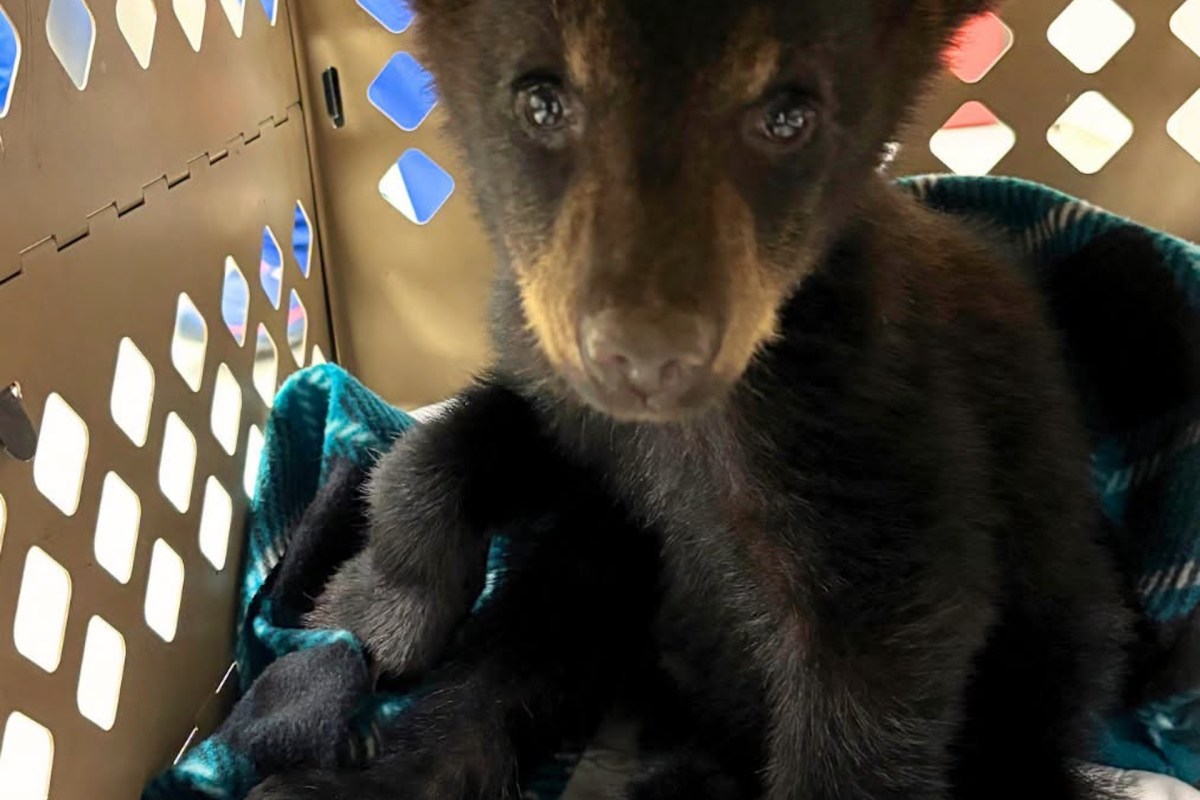
After a difficult year marked by bear cub deaths and a halt in operations, Appalachian Bear Rescue in Townsend, Tennessee, has once again been cleared to take in orphaned black bear cubs, restoring an important resource for young bears in the Great Smoky Mountains region.
What happened?
After being sidelined for a year, Appalachian Bear Rescue has been cleared by the Tennessee Wildlife Resources Agency to start rehabilitating bears again, Knox News reported. The pause followed a series of pneumonia deaths and cases in which bears were euthanized.
Before the partnership could resume, the nonprofit had to satisfy a broad set of state requirements. The property needed to provide more room for each rescued bear, undergo detailed soil testing, and show it was appropriate for housing wildlife. Soil on the site was also checked for parasites by an outside agency.
Under a July agreement with the state, the rescue overhauled key parts of the facility, including bear enclosures, water systems, and sanitation measures. It will now be capped at six bears per acre, may accept only Tennessee bears except those from Great Smoky Mountains National Park or Big South Fork National Recreation Area, and must release cubs individually instead of in groups.
Over its 30-year history, the center has rehabilitated upwards of 400 black bear cubs, making it a major part of the region's wildlife response network.
Why does it matter?
Orphaned cubs need specialized care if they are going to survive and eventually return to the wild, and an operating rehab center gives state wildlife officials a place to turn when young bears are found alone.
TCD Picks » Quince Spotlight
💡These best-sellers from Quince deliver affordable, sustainable luxury for all




Healthy black bear populations are also closely tied to the region's environment and economy. Bears play an important role in forest ecosystems, and they are part of what draws both residents and visitors to the mountains.
What's being done?
The immediate change is a tighter, more controlled approach to bear rehabilitation. Tennessee wildlife officials required more space, cleaner conditions, improved infrastructure, and stricter release practices before allowing the center to begin taking cubs again.
Those upgrades could also expand the center's capacity. A center representative previously told Knox News that the expanded facility may eventually be able to house as many as 18 bears at once because of the added space.
With stronger safeguards now in place, the center can again help young bears recover and return to the wild.

Get TCD's free newsletters for easy tips, smart advice, and a chance to earn $5,000 toward home upgrades. To see more stories like this one, change your Google preferences here.







