


Germany's punishing heat has killed thousands of people already this summer.
Now, one wildlife videographer is sharing how humans are far from the only beings impacted by the nation's heat waves.
Theia (@birb.voyager) described the crisis for one of the country's most beloved birds, stating, "Rescue centers are overwhelmed, and many have little or no capacity left."
What's happening?
The Instagram Reel sounded the alarm, calling swifts in Germany "victims of the heat wave" and explaining the dire situation.
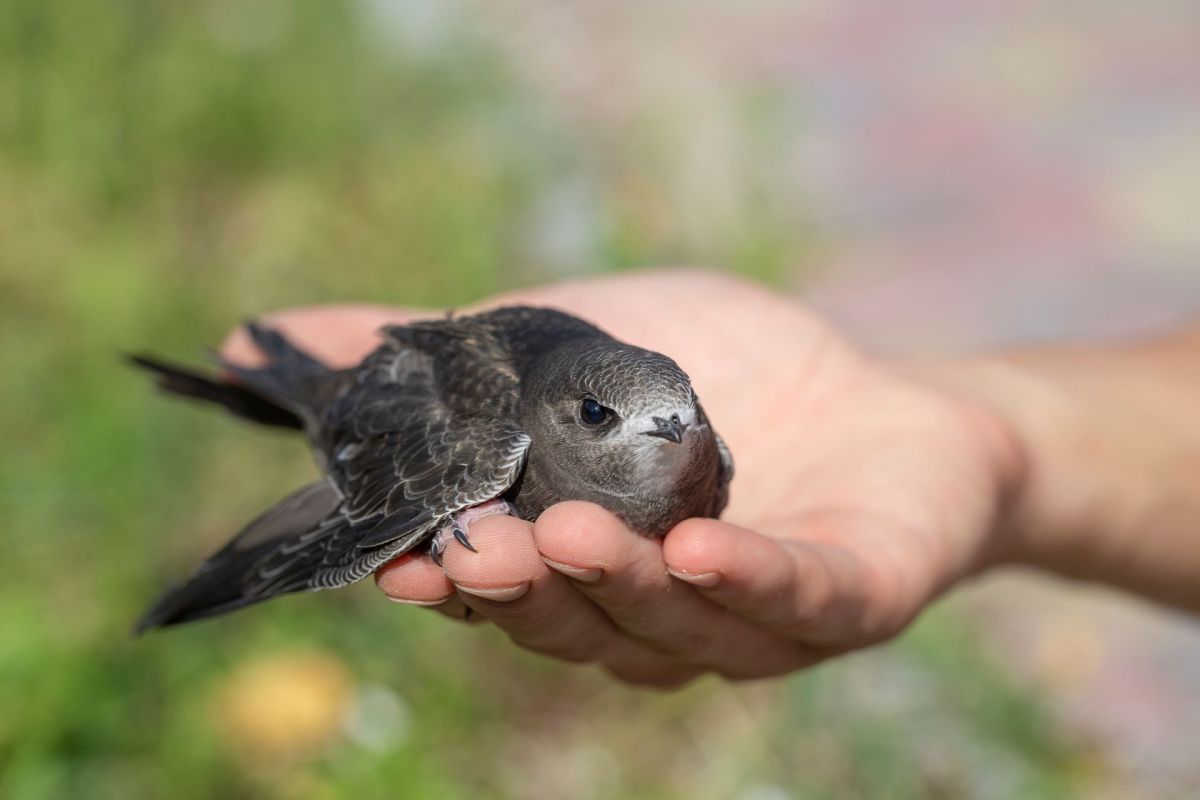
"Swifts spend almost their entire lives in the air. Because of the extreme heat, many are jumping from their overheated roof nests far too early," according to the post.
Theia said the risk was serious for the species, noting, "A sitting swift is ALWAYS an emergency."
TCD Picks » Quince Spotlight
💡These best-sellers from Quince deliver affordable, sustainable luxury for all




Why does it matter?
Heat waves do more than endanger people. In cities and towns, they can also make conditions hazardous for wildlife, particularly birds that depend on roofs, infrastructure, and other areas with shade for nesting.
For swifts, a nest that overheats can become a life or death threat.
The post also connected that danger to the way urban spaces are built. Surfaces such as pavement and gravel retain heat and reduce the ground available to absorb rainwater. Cutting back vegetation means less shade, too.
What can I do?
Alongside the warning, the creator shared a detailed list of steps people can take in their homes and communities.
Among the suggestions were replacing gravel gardens with living plants; removing paved areas; planting native wildflowers, shrubs, and trees; and leaving some grass uncut to support insect life.
The post also recommended putting out fresh, bird-safe water during heat waves and adding cooling features such as native trees, green roofs, green walls, parks, and connected green corridors.
Those kinds of changes can cool built-up areas while also improving habitat for birds and the insects they feed on.
For people who live in and around old buildings, the guidance focused on protecting nesting access. It's good to keep existing nesting spots and install nest boxes for swifts and swallows.
Those boxes should be mounted on north-facing walls to limit overheating and should not go directly beneath roofs.

Get TCD's free newsletters for easy tips, smart advice, and a chance to earn $5,000 toward home upgrades. To see more stories like this one, change your Google preferences here.







