


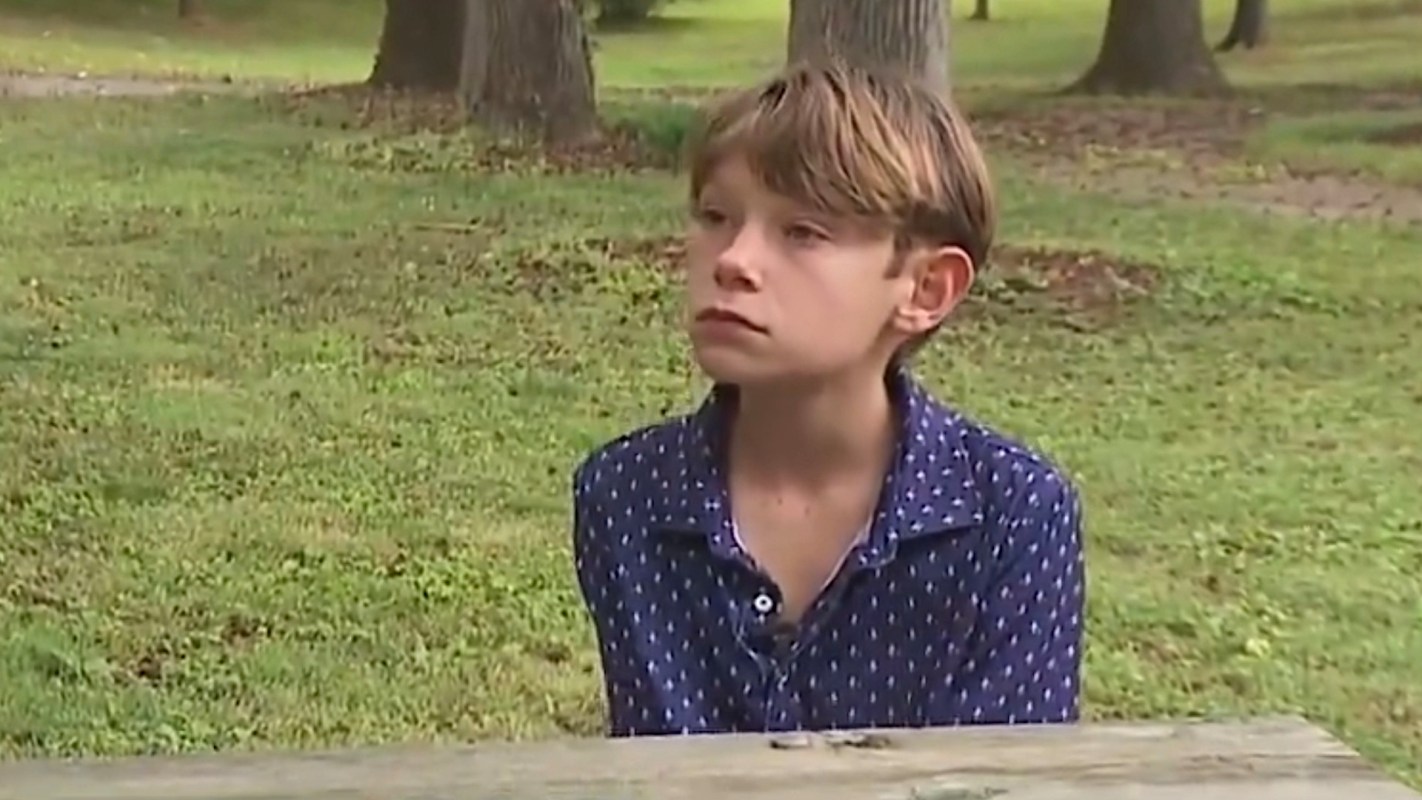
A 10-year-old student's letter about an electric vehicle tax incentive policy has become a striking example of how polarized the industry has become.
According to Fox 8 WGHP, 10-year-old Christian Mango contacted Congresswoman Virginia Foxx for a class assignment.
"Christian and his class, they wrote a persuasive essay of their choosing. They mailed it off to a representative, a CEO, whoever the decision-maker was to be influential in their persuasive essay points," his mother, Emily Mango, told Fox 8.
Christian chose to write about a policy he viewed as environmentally helpful: the electric vehicle tax credit.
The incentive is designed to make EVs more affordable, giving more consumers a chance to consider vehicles that do not burn gasoline.
Instead of sending back a routine reply about the policy, Foxx responded with a sharply personal message aimed at both the child and his teacher.
TCD Picks » Quince Spotlight
💡These best-sellers from Quince deliver affordable, sustainable luxury for all




"Ask your teacher to explain propaganda to you. I will never be able to know. My guess is that your teacher will not be able to give you a good educational experience by helping you. Because they are too interested in indoctrinating you. How sad," Foxx said toward the end of her letter.
The response has drawn attention because a sitting member of Congress used a student's homework assignment as an opportunity to make an argument — not against a lobbyist or political opponent, but against a child asking about a policy he thought was good for the environment.
The issue goes beyond one letter. When a child reaches out to an elected official about a policy intended to cut pollution and help consumers, a dismissive response sends a message about whose voices are being heard.
It also turns a practical climate and cost-of-living issue into a political loyalty test, rather than taking ideas as they come from all directions with an open mind — or at least a benefit of the doubt that the intentions and inspirations are sincere.
EV tax credits can help lower the upfront cost of cleaner vehicles, while EVs can also reduce spending on gas and often vehicle maintenance over time.
Framing interest in those benefits as "indoctrination" does not just shut down one conversation. It can also discourage students from learning about solutions that could improve air quality in their communities and reduce everyday costs for their families.
That kind of hostility makes it harder to build support for the kinds of policies that can move communities toward a healthier and more affordable future.
Moments like this serve as a reminder that civic engagement still matters. Kids and adults alike should be able to ask elected officials honest questions about energy, transportation, and the environment without being ridiculed for it.
In a post to the social media platform X, users did not hesitate to voice their opinion.
"His teacher should be applauded for such an amazing assignment. Write [a] persuasive essay on the topic of your choosing, and send it to someone who could make a difference. Civic engagement should be encouraged and accepted with grace, but Foxx had to be a partisan bully," one commenter said.
"When did it [become] ok for a government official to speak to a child this way," another wrote.
Another user commented: "That's a grown adult punishing a child for civic participation. The same people who say they want kids engaged in democracy just told a 10-year-old his curiosity is a problem."

Get TCD's free newsletters for easy tips, smart advice, and a chance to earn $5,000 toward home upgrades. To see more stories like this one, change your Google preferences here.







