


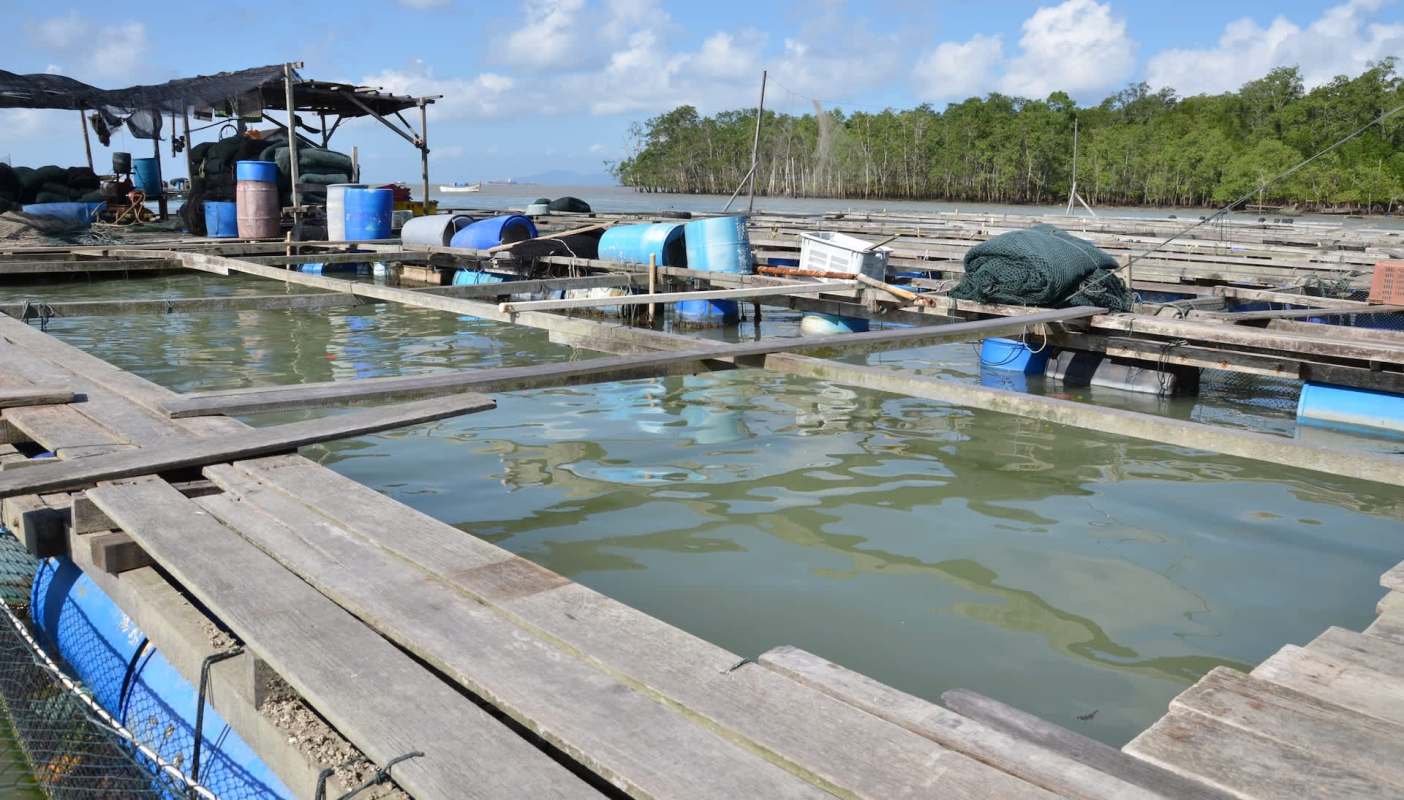
A troubling video showing multiple cats marooned on an offshore fishing platform in Malaysia has sparked alarm online, with many viewers asking how the animals ended up there and whether they had access to food or fresh water.
Separate posts on social media, later referenced by the New Straits Times, asserted that a rescue team was sent after the video spread, though that account has not been verified.
Here's what to know
The video shows a fisherman approaching a kelong, or offshore fishing platform, thought to be near Pulau Ketam, and encountering several stray cats there.
The Jom Sembang Facebook page later shared the clip, saying it had originally been posted on TikTok by content creator Syafiq Suhaime. It shows the fisherman reacting with sympathy and giving the cats part of the fish he had caught.
Among the viewers, the isolated setting raised questions about whether the cats could survive without consistent human care. People also questioned why animals would be left, kept, or abandoned on a platform surrounded by sea.
Commenters said responders eventually reached the platform, but they claimed only about half the cats were saved and that several had already died before help arrived. However, those accounts could not be independently confirmed.
TCD Picks » Quince Spotlight
💡These best-sellers from Quince deliver affordable, sustainable luxury for all




More background
Animals on an offshore structure would likely face exposure, isolation, and limited resources. Even if fish scraps are available from time to time, cats still need reliable access to fresh water, shelter, and veterinary care.
The platform's exact location has not been independently confirmed, and how long the cats had been stranded there remains unclear. The New Straits Times also left the video's date of recording unclear, and it is unknown how the animals came to be on the kelong in the first place.
What can be done?
In situations like this, the most effective response typically starts with quick reporting and coordinated rescue efforts. Offshore platforms and other hard-to-reach locations can pose serious safety risks. When situations arise, trained local rescuers, animal welfare groups, or maritime authorities are generally better equipped to assess the situation than individuals acting alone.
Photos, videos, and precise location details can make it easier for rescue organizations to respond quickly and determine what supplies, transport, or medical support may be needed.
Responsible pet ownership, sterilization programs, and prompt reporting of suspected abandonment can help prevent vulnerable animals from ending up in dangerous places where survival may depend on quick intervention.
The fate of the cats on the platform remains uncertain, and the video left unanswered questions about responsibility, rescue, and humane care.

Get TCD's free newsletters for easy tips, smart advice, and a chance to earn $5,000 toward home upgrades. To see more stories like this one, change your Google preferences here.







