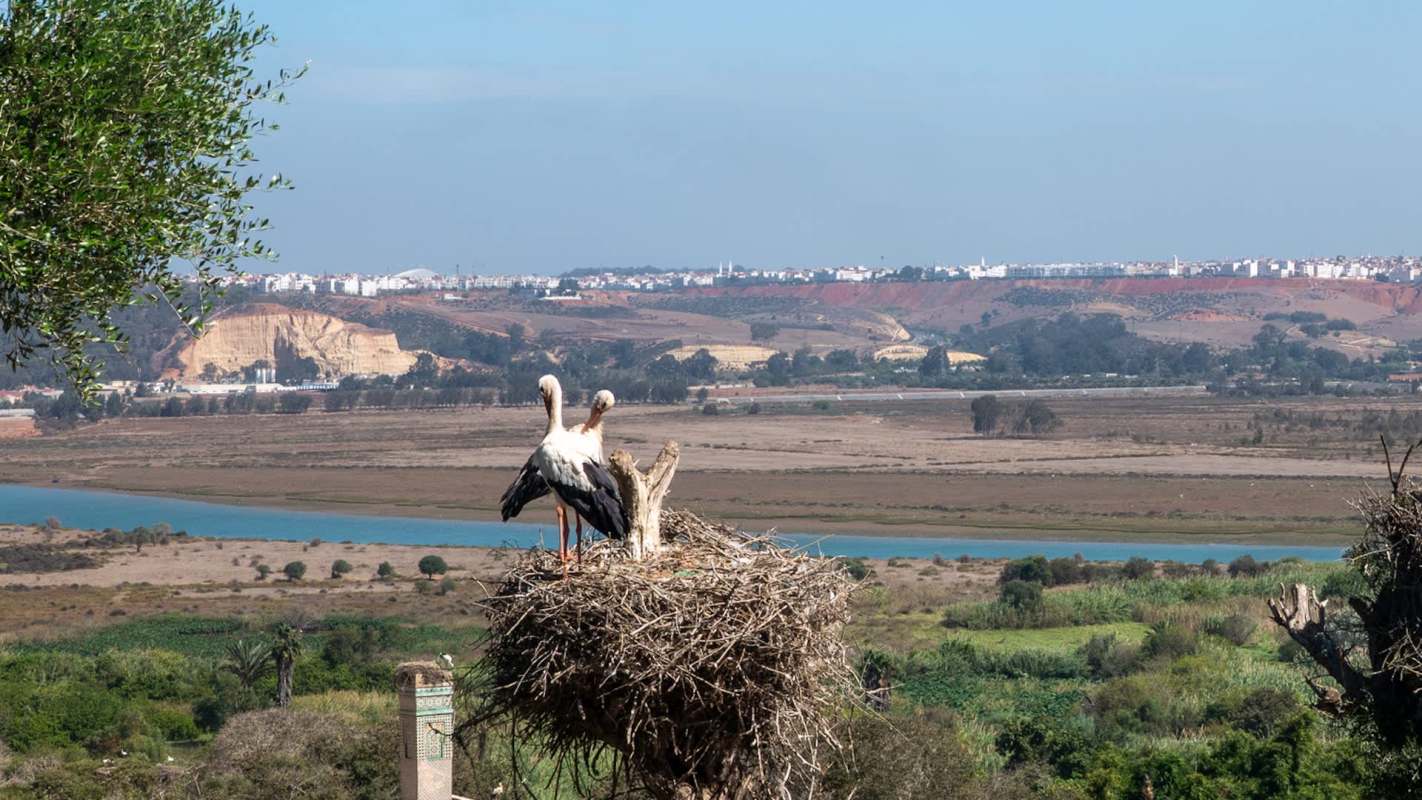
Twice yearly, billions of birds migrate, but recent observations have uncovered a startling discovery: Storks are skipping migration and staying in Iğdir, Turkey, during the winter.
As temperatures continue to rise, bringing milder winters and steady access to food, this shift has become possible, Bianet reported.
What's happening?
Known in myths as harbingers of spring, storks typically follow a migratory route spanning thousands of kilometers across Africa, Europe, and Asia, and they return to Turkey to lay eggs and raise their young, per Rudaw.
However, the migratory timing of birds, not just storks, has been shifting, putting pressure on them and impacting their populations. For instance, a warmer planet threatens their prey and brings about changing weather patterns that affect the quality of the habitats these birds migrate to, according to The Guardian.
Dr. Emrah Çelik, director of the Bird Research and Education Center, explained that water sources, such as the wetlands and floodplains in Iğdir, are expanding the birds' feeding areas.
"At the same time, the mild climate and the fact that winters have become warmer in recent years due to global climate change allow the storks to stay here," he said.
TCD Picks » Upway Spotlight
💡Upway makes it easy to find discounts of up to 60% on premium e-bike brands





Warming temperatures have prevented the area's wetlands from freezing, prompting the birds to stay in nests built on mosque domes and utility poles.
Why is this concerning?
Migratory birds are critical to maintaining biodiversity and healthy ecosystems by dispersing seeds, pollinating flowers, and controlling pest populations.
Because these birds rely on different habitats during their migration, they help determine the state of the environment, thus serving as important biodiversity indicators, according to Convention on Migratory Species Executive Secretary Amy Fraenkel, per the U.N. Climate Change report.
Humans are affected by this change in behavior, too, as these climate-driven shifts in migration patterns might impact human and avian disease risks, according to Science.
TCD Picks » Quince Spotlight
💡These best-sellers from Quince deliver affordable, sustainable luxury for all




|
What's the most you'd pay per month to put solar panels on your roof if there was no down payment?
Click your choice to see results and speak your mind. |
 $200 or more 💰
 What's being done about birds' altered migration patterns?
Istanbul is taking action to help conserve biodiversity and protect migratory birds. The U.N. Environment Programme shared that the city has launched a project that's part of the UNEP's Generation Restoration Cities initiative to promote "nature-based solutions" in metropolitan areas.
One such threat to migratory birds is light pollution. It can affect their behavior, deplete their energy, or disorient them, leading to collisions with buildings.
Communities and individuals can help migratory animals through local action, broader environmental discussions, using their voice to advocate for the planet and for local or state reforms, and making simple changes.
For instance, households that dim exterior lights help create safer migration routes. Planting native plants, reducing the use of chemical pesticides, and using bird-safe window markings also provide year-round support for wildlife.
"Even in this season, the number of storks in Iğdir is higher than in many other cities; it is almost a stork paradise," said Çelik about the notably higher stork population in the area during the winter.

Get TCD's free newsletters for easy tips to save more, waste less, and make smarter choices — and earn up to $5,000 toward clean upgrades in TCD's exclusive Rewards Club.
Cool Picks