


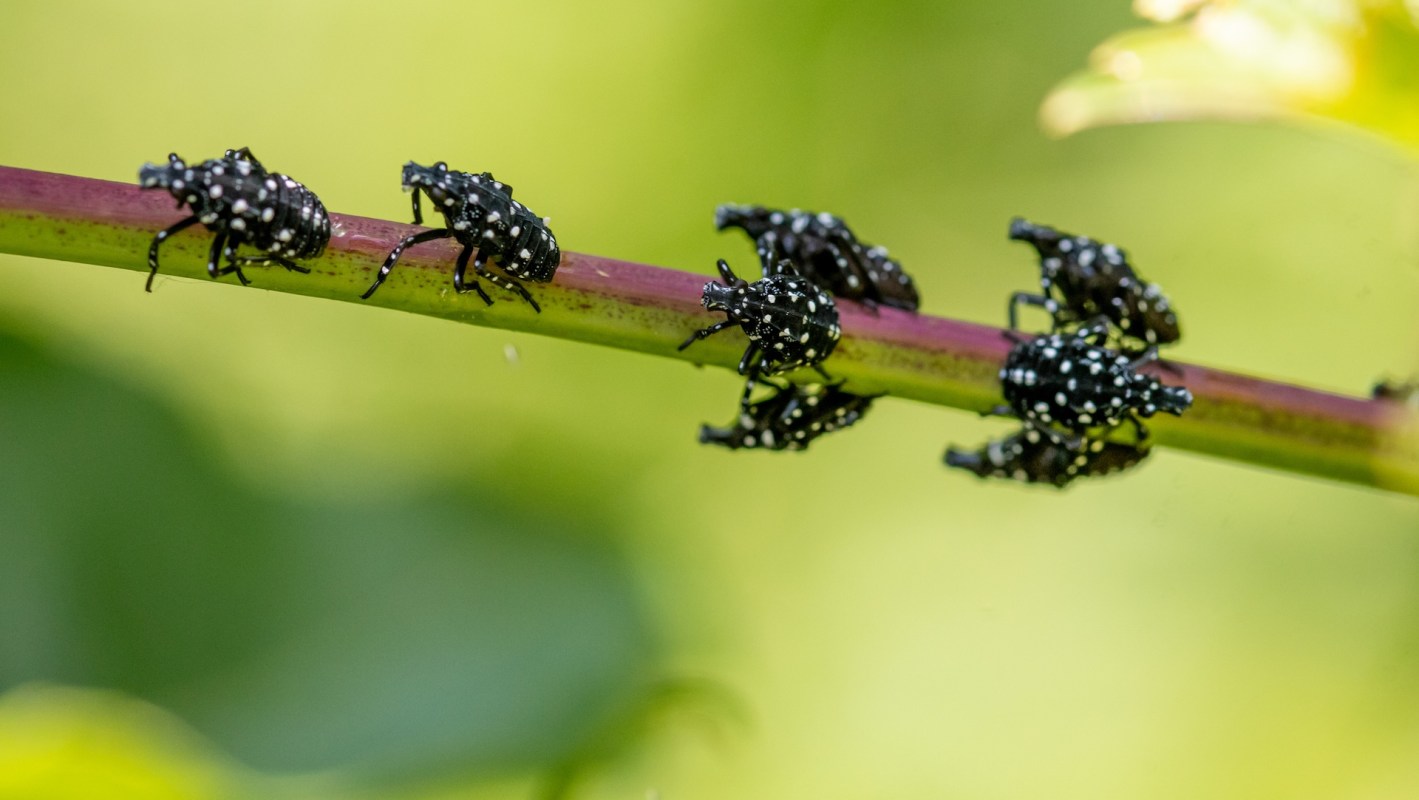
A pesky, invasive insect may have officially invaded another state.
Across Northern Kentucky, spotted lanternflies have become far more than an occasional nuisance. Specialists now say the invasive animals are widespread enough that residents should prepare for a problem that could affect their neighborhoods, gardens, and farms for years.
What's happening?
WKRC reports that Boone County and other nearby parts of Northern Kentucky now have established populations of spotted lanternflies, an insect that originated in East Asia and later spread to the United States.
These pests draw sap from roughly 90 species of trees and plants, and they are especially attracted to maple trees, tree of heaven, and grape and hop vines.
This means that they can devastate agricultural industries. Penn State researchers, responding to their initial invasion in the Keystone State, projected these insects could cost the Pennsylvania economy nearly $324 million every year if not contained.
According to University of Kentucky Extension horticulture agent Robby Brockman, reports are coming in so steadily that his office is fielding as many as 100 calls a week about sightings.
TCD Picks » Quince Spotlight
💡These best-sellers from Quince deliver affordable, sustainable luxury for all




Brockman told WKRC that, "At [this] point, we don't need reporting anymore. We've had them report it many times. We know they're here in Boone County. They're in many of the surrounding counties too. Kenton, Campbell, Gallatin, and Grant."
Why does it matter?
Because spotted lanternflies feed on such a wide variety of plants, they can create problems for homeowners, growers, and communities trying to protect trees and crops. Agricultural workers are especially vulnerable to their economic impacts.
Their broad appetite also makes them harder to manage than invasive species that target only one type of plant.
The insects also leave behind a sugary substance known as honeydew, which can attract wasps and other biting or stinging insects. As a result, the effects can spill into daily life, making porches, sidewalks, and outdoor gatherings less comfortable.
"This is a problem that we actually expect to get considerably worse over the next few years. So, this is one of the first kinds of years that it has become a problem. But really I expect it to probably get worse for the next five or so years," Brockman told WKRC.

Get TCD's free newsletters for easy tips, smart advice, and a chance to earn $5,000 toward home upgrades. To see more stories like this one, change your Google preferences here.







