


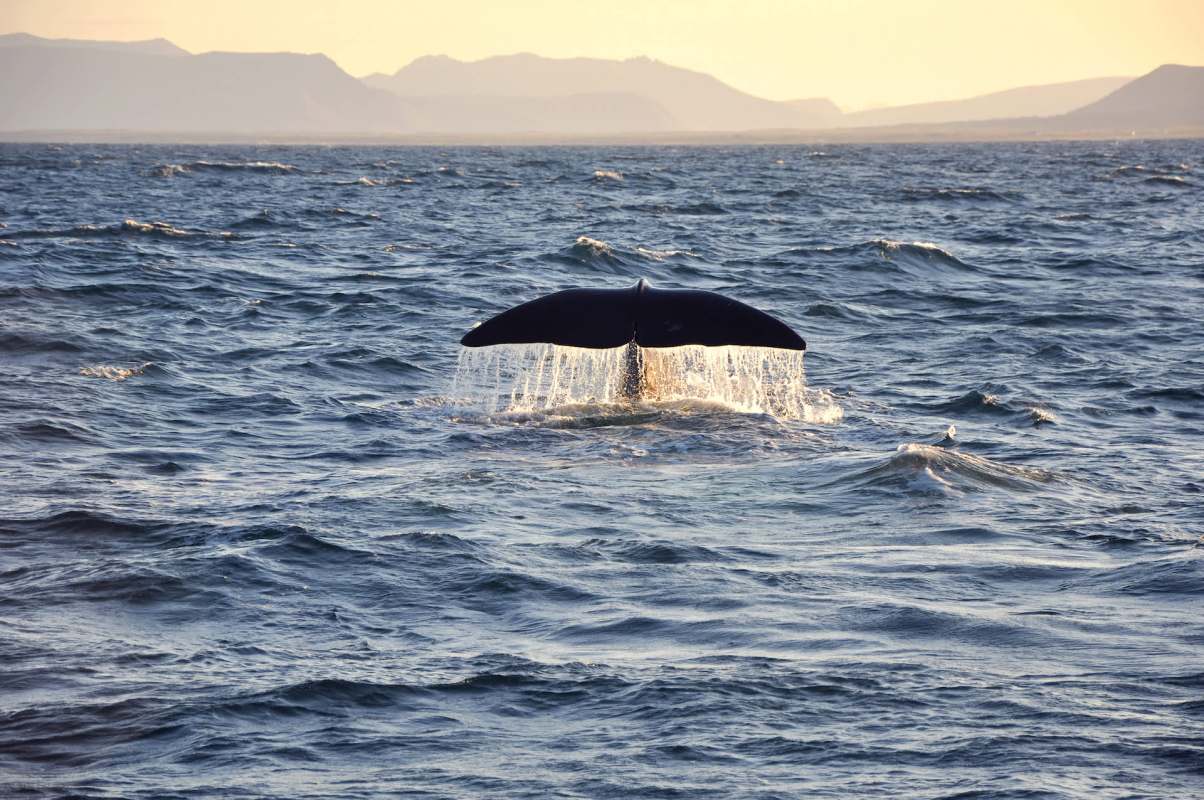
Marine conservationists on a research expedition to the Aegean Sea caught a rare glimpse of one of the ocean's largest creatures.
As Greek outlet To Vima reported in early August, members of the Archipelagos Institute of Marine Conservation were surveying the Ikaria Trench, one of the deepest parts of the Aegean, when they spotted two male sperm whales.
"This is a biodiversity hotspot that remains largely unexplored," the research team explained. "This latest expedition allowed us to significantly expand our understanding of the area."
The sperm whale is the largest odontocete — or toothed whale — in the world. Males can reach up to 52 feet in length and tip the scales at 45 tons.
Their peculiar name refers to the spermaceti organ, located in the whale's head. The organ is filled with an oil that was once prized by whalers to the extent that the creatures were almost hunted to extinction, according to the International Fund for Animal Welfare.
Though now subject to international protections, they are still occasionally the victims of bycatch — or unintentional catch — and plastic ingestion.
The sperm whale is easily recognizable thanks to its massive head (about a third of its body length) that houses an equally impressive brain. At 20 pounds, it's the largest brain of any living creature in the world, and it's put to good use.
Sperm whales are social creatures who use a series of clicks to communicate. National Geographic notes that they can even have "accents" — the sperm whales around Dominica have a distinctive Caribbean dialect, for example.
These brainy brutes play a key role in ocean ecosystems. They hunt nutrient-rich prey far below the surface and expel waste that's chock full of nutrients important to maintaining marine health. As the United States National Oceanic and Atmospheric Administration notes, like other whales, they also store vast amounts of carbon. And, when they die, they sink to the ocean floor to provide a banquet for creatures below.
The Archipelagos Institute expedition is part of a broader effort to unlock the secrets of the deep. As of June 2024, nearly three-quarters of the world's seafloor hadn't been charted. Organizations like the institute are addressing these knowledge gaps to bring more awareness of how best to protect oceans, marine life, and all of us who rely on them. With proper funding and political support, this vital work can continue.
TCD Picks » Quince Spotlight
💡These best-sellers from Quince deliver affordable, sustainable luxury for all




|
Should we be harnessing the ocean to power our homes? Click your choice to see results and speak your mind. |
 Absolutely 👍
Join our free newsletter for good news and useful tips, and don't miss this cool list of easy ways to help yourself while helping the planet.
Cool Picks






