


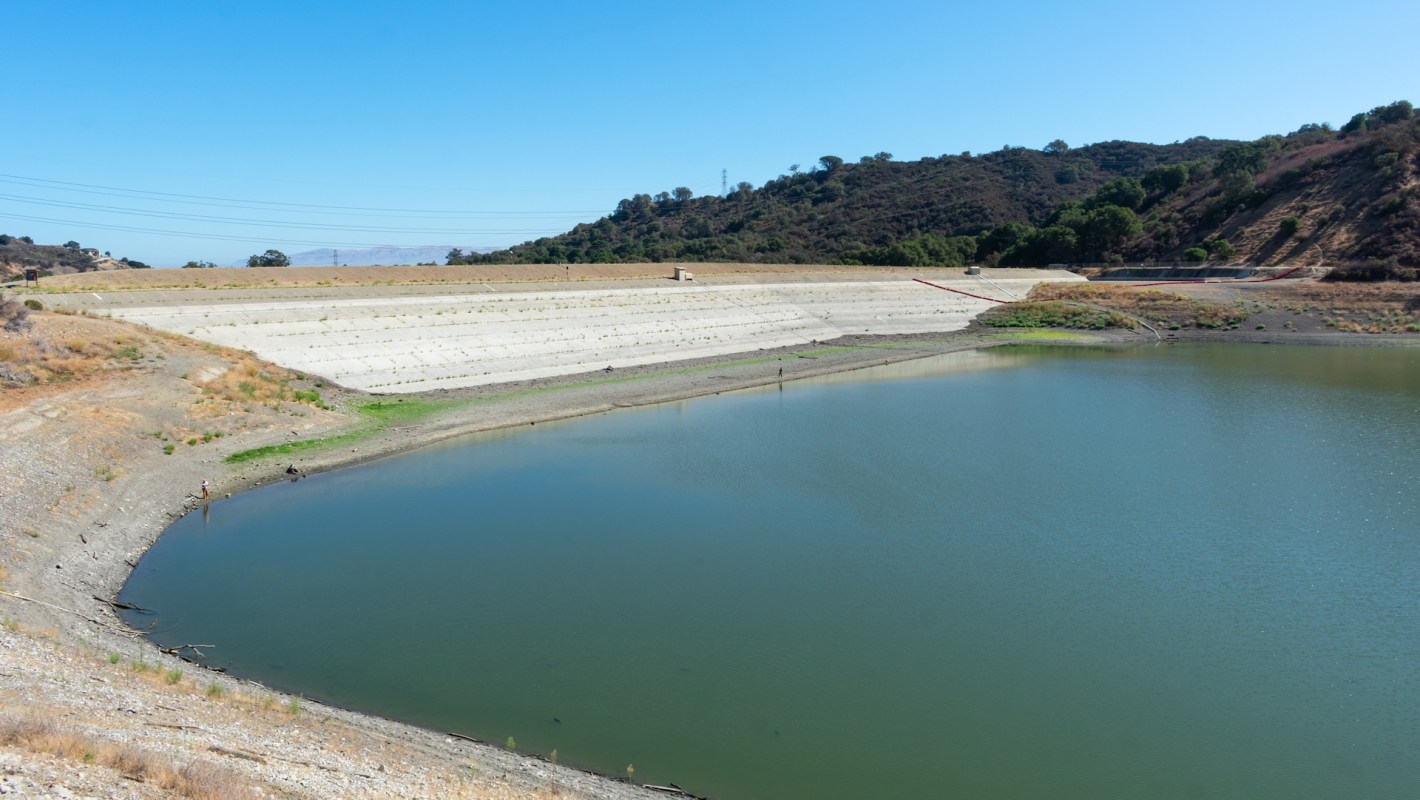
A regional water supplier in Southwest Florida is getting squeezed by a severe drought, but there is still a key reason residents are not being told to panic.
Reporting from Suncoast Searchlight found that the Peace River Manasota Regional Water Supply Authority's main reservoir is now about half full, with the system's total stored supply dropping from roughly 12 or 13 months of water to about eight months' worth.
Even so, officials say the region's backup system is doing what it was built to do and helping communities ride out dry periods without an immediate drinking water crisis.
That is especially important for people in Sarasota, Charlotte, and DeSoto counties, where the authority is the primary water supplier.
The utility draws water from the Peace River, treats it, and either sends it out for drinking water use or stores it underground through the Aquifer Storage and Recovery system.
It already has a second reservoir in place, and construction is underway on a much larger 9-billion-gallon reservoir that is expected to further strengthen the region's long-term backup capacity.
TCD Picks » Quince Spotlight
💡These best-sellers from Quince deliver affordable, sustainable luxury for all




The current drought is putting the system through a real-world stress test and, at least so far, the preparation appears to be working.
The drought itself is still serious.
The area is dealing with its worst water shortage in nearly a decade, and the Southwest Florida Water Management District has put Phase 3 water restrictions in place for the first time since 2017.
"History has shown us that voluntary water restrictions do not work," said Glenn Compton, the chairman of a local environmental nonprofit, per Suncoast Searchlight. "There need to be more mandatory restrictions that are put in year-round so that we don't end up in a situation where we're concerned about reduced water supply in a drought."
The Peace River has flowed below the normal withdrawal threshold since November, and an emergency order issued in March temporarily allowed the authority to keep taking a limited amount of water from the river despite those low levels.
The latest numbers show why storage matters so much.
In March, the authority took in about 8.73 million gallons per day from the river while sending out more than triple that volume to customers.
The difference is being made up by water stored in reservoirs and underground recovery systems — exactly the kind of buffer communities need as swings between wet and dry conditions become more common.
That planning could continue to keep taps running and lower the risk of immediate shortages.
Environmental advocates say that is why conservation still matters, even if the region's drinking water system is holding up for now.
"Having an emergency declaration where you can withdraw more water than what is permitted could have a devastating impact on the river's resources," Compton warned, per Suncoast Searchlight.
Lower river flows can disrupt habitat, shift plant competition, and change where animals gather in search of water, reshaping local ecosystems in the process.
Officials told Suncoast Searchlight that the biggest long-term operational effect may be higher summer costs for pumping and treatment as the system refills during the rainy season. However, they said those costs are not expected to be passed directly on to residents.
For now, the clearest takeaway is that Southwest Florida is not facing an immediate drinking water emergency, and the region is actively expanding infrastructure to help it manage future dry spells.
However, a half-full reservoir is also a vivid warning sign that true resilience will depend not just on bigger storage systems, but on smarter conservation and stronger protections for the river itself.

Get TCD's free newsletters for easy tips, smart advice, and a chance to earn $5,000 toward home upgrades. To see more stories like this one, change your Google preferences here.







