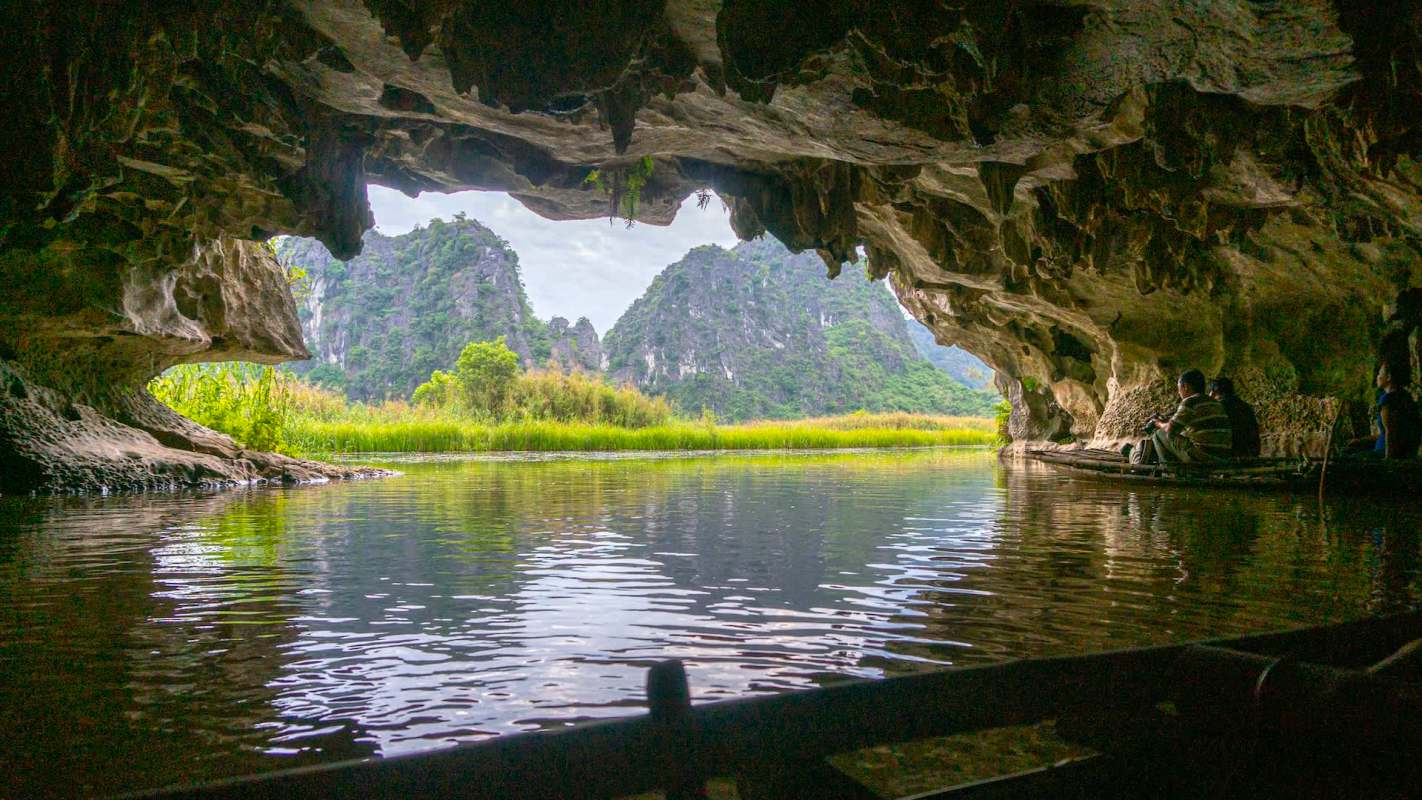
A cave once known only to hunters and explorers is now helping to stabilize livelihoods for communities in central Vietnam, near the border with Laos.
After strict limits were placed on the world's largest cave, experts have reported striking changes.
In the early 1990s, local hunter Hồ Khanh stumbled upon a massive cave while sheltering from a storm in what is now Phong Nha-Kẻ Bàng National Park.
At the time, hunting and forest extraction were among the few ways that residents could earn a living. In 2008, Limbert and his wife, Deb, working with the British Caving Association, partnered with Hồ to rediscover the cave.
The cave, called Sơn Đoòng, stunned researchers with chambers that were wider than airplane hangars and skylights that supported underground forests. Surveys confirmed that it holds the largest known cave chamber cross-section in the world.
Rather than allow mass tourism, authorities limited access to small, managed expeditions. This approach mirrors strategies used in U.S. national parks, such as backcountry permits and seasonal closures, which protect the landscapes.
Stay warm all winter long with the Apple of intelligent space heaters Kelvin is the Apple of space heaters, designed for energy efficiency and maximum comfort. It's completely silent and intelligently controlled, with setup taking just 5 minutes. Built from premium materials like aluminum and glass, Kelvin works beautifully as a full-home heating system or as the perfect solution for that one room that never feels warm enough. |

Tín Đoàn, a lecturer at Northumbria University, said that spreading visitors across multiple caves eased environmental pressure while sustaining local income. Tourism programs and stronger enforcement also helped to reduce illegal hunting and logging.
"There was no work [in the 1990s]," said Phan Văn Thín, the director of tour operations for a Vietnamese tour company Oxalis. "Now, most people work in hotels, restaurants, or as guides. No one goes hunting or logging anymore."
While Vietnam's national parks lack comprehensive wildlife data, guides report more frequent sightings of endangered species like Hatinh langurs. Limbert noted that while these observations don't prove a full recovery, they still indicate positive changes.
The progress of Sơn Đoòng fits a global pattern of conservation efforts. In Brazil, scientists rediscovered the Pernambuco holly, which was thought to be extinct for 200 years.
TCD Picks » Upway Spotlight
💡Upway makes it easy to find discounts of up to 60% on premium e-bike brands





|
Do you think America does a good job of protecting its natural beauty? Click your choice to see results and speak your mind. |
 Definitely 👍
 Meanwhile, jaguars have been surprisingly spotted returning to Arizona, signaling a slow yet hopeful wildlife recovery.
"When we were surveying Sơn Đoòng, we rarely saw any primates," said Limbert. "Now, we see big groups."
Limbert is also hopeful that this progress will spread to the cave's Laotian side.
"I'm sure we will see the same kind of change as Vietnam," he said, per Mongabay. "It's happened in Phong Nha, and I'm sure it will happen in Laos too."

Get TCD's free newsletters for easy tips to save more, waste less, and make smarter choices — and earn up to $5,000 toward clean upgrades in TCD's exclusive Rewards Club.
Cool Picks