


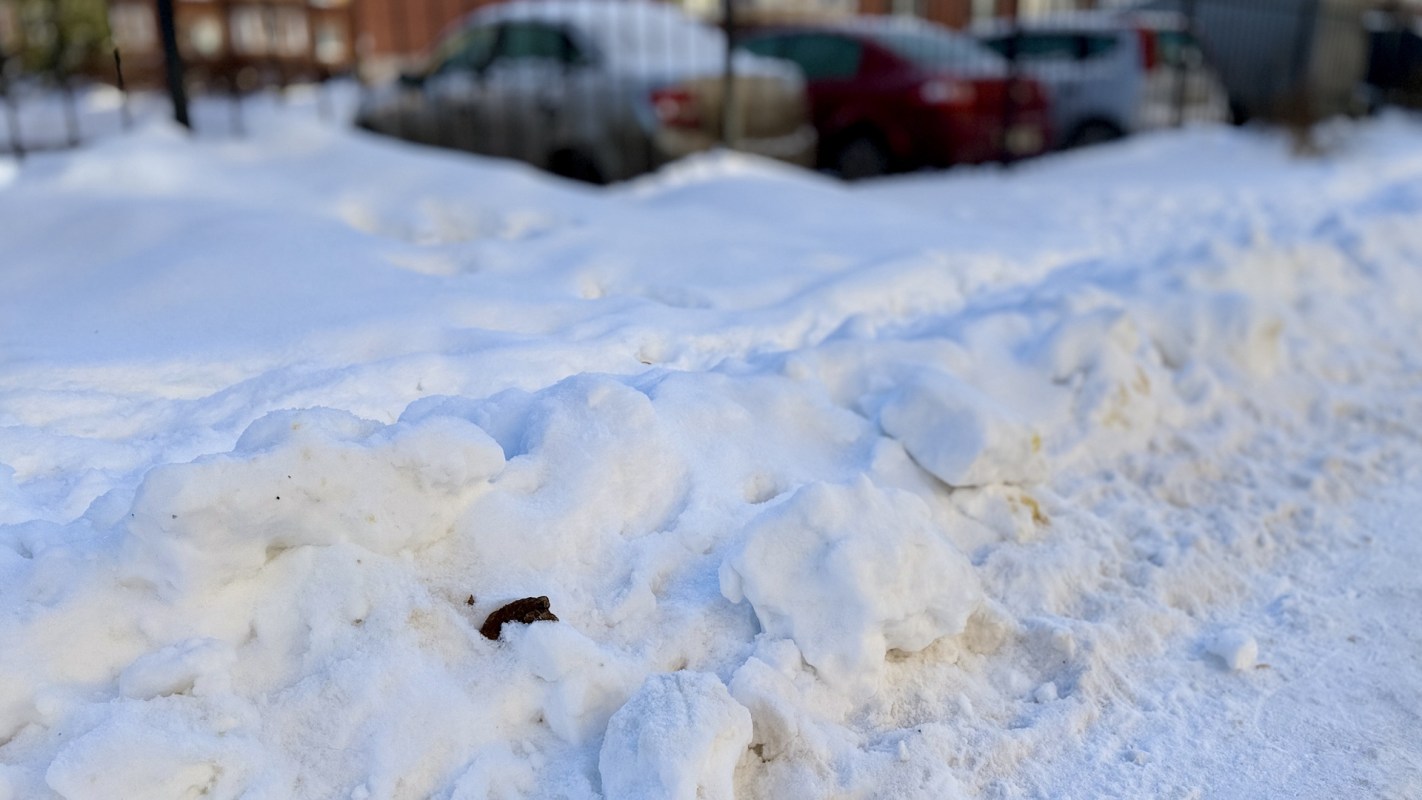
Winter snow may look pristine, but scientists warn it can unleash a dangerous mix of hidden pollution when temperatures rise, the New York Times reported.
What's happening?
Scientists are drawing attention to a pollution problem that stems from snowy winters.
Pollution — from car exhaust to road salt and microplastics — accumulates in snow when it blankets city streets.
This is bad news for local waterways, which absorb a concentrated dose of those pollutants when the snow finally melts.
The Environmental Protection Agency noted that snowmelt runoff and "non-point-source pollution" are the top causes of pollution in American waterways.
Road salt, commonly sodium chloride, is one of the biggest contributors. While effective at de-icing roads, it can contaminate drinking water and harm wildlife.
Rebecca Hale, who runs the watershed science lab at the Smithsonian Environmental Research Center in Maryland, warned that road salt can also kill helpful organisms that clean water sources while carrying even more pollutants leached from the soil.
"It's a triple whammy," she explained.
Why is snowpack pollution concerning?
Snow acts like a "giant chemical sponge," absorbing road salt, car exhaust, soot, tire rubber particles, antifreeze, automotive fuels containing heavy metals, and pet waste throughout the winter months.
Unlike rain, snow traps pollutants for weeks or months before releasing them all at once.
TCD Picks » Quince Spotlight
💡These best-sellers from Quince deliver affordable, sustainable luxury for all




|
What's the most you'd pay per month to put solar panels on your roof if there was no down payment?
Click your choice to see results and speak your mind. |
 $200 or more 💰
 Yevgen Nazarenko, an assistant professor at the University of Cincinnati, explained that snow's large surface area allows it to "scrub up all the pollution" from the air.
As global temperatures rise, winter patterns are shifting.
Although states in the Western U.S. are experiencing a snow drought, other states saw a historic winter storm that dumped feet of snow in some places in early 2026.
While snowstorms have always existed, scientists say these climate shifts can intensify the impacts of snowpack pollution by increasing runoff volume and frequency.
Worsening extreme weather events threaten public health and economic stability.
Contaminated water can affect drinking supplies, fisheries, and recreation. Elevated salt levels can damage infrastructure and increase treatment costs — expenses often passed on to residents.
What can we do about snowpack pollution?
Adding more green spaces to cities that receive snow could reduce snowpack runoff by absorbing more of the melting snow.
Scientists are also exploring eco-friendly salt alternatives to keep snowy roads safe in harsh winter weather.
Residents can help by prioritizing shoveling snow from pathways and using the smallest amount of salt possible — 12 ounces is more than sufficient for a large driveway.
People living in wintry states should keep in mind that if the temperature is below 15 degrees Fahrenheit, salting is pointless because it won't melt snow at that temperature.

Get TCD's free newsletters for easy tips to save more, waste less, and make smarter choices — and earn up to $5,000 toward clean upgrades in TCD's exclusive Rewards Club.
Cool Picks




