


Scientists are using aircraft-mounted lasers to track a historic collapse in snowpack across the American West, and the latest readings make for an alarming picture.
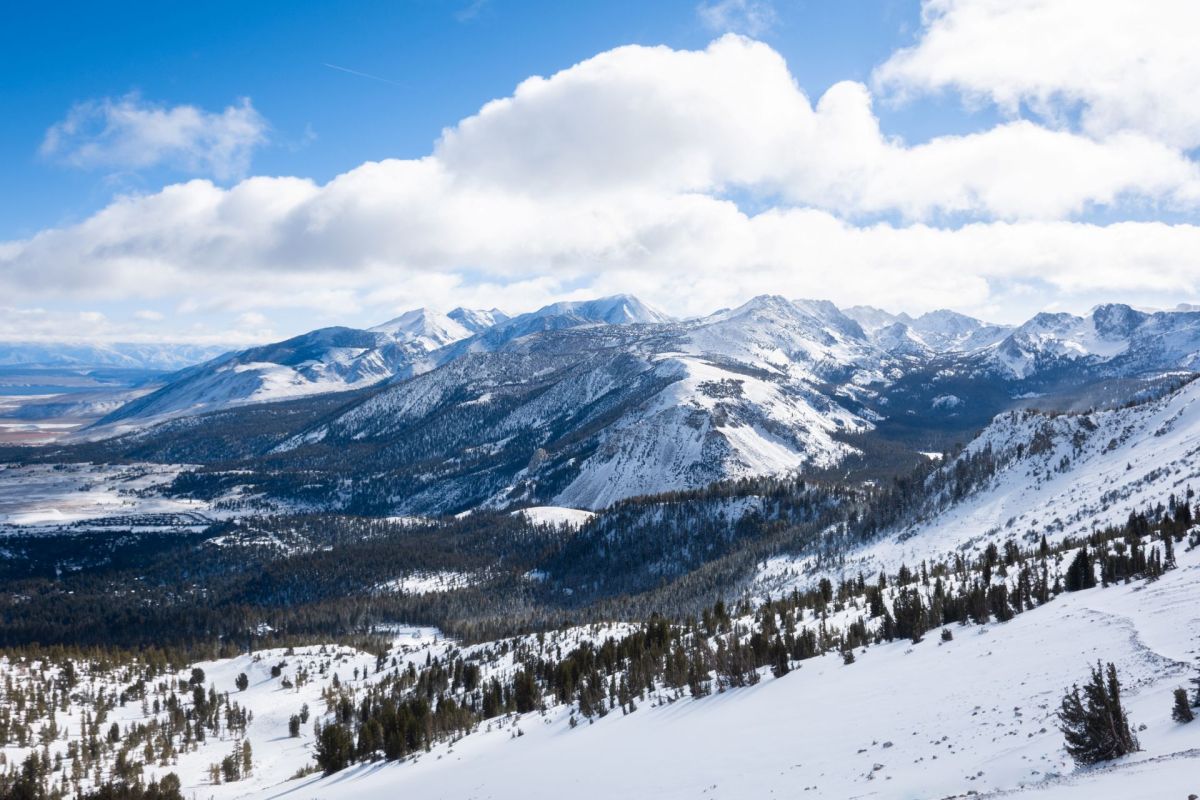
According to the Guardian, what may appear from above to be a healthy white blanket of snow covering California's Sierra Nevada mountain range is, in many places, far thinner than it looks. It's a troubling sign for the millions of people and major agricultural regions that rely on mountain snow as a natural water reservoir.
Airborne Snow Observatories, led by Tom Painter, have been flying over the Sierra Nevada and using a laser-based tool called "lidar" to measure snow depth with remarkable precision. Painter previously developed the technology at the National Aeronautics and Space Administration.
"The lidar sprays out about 800,000 pulses per second," Painter told the Guardian.
The technology creates 3D snow-depth maps and estimates how much water the snowpack contains. This year, those measurements are raising serious concerns.
"In March, the spigot shut off, and it shut off across the entire western U.S.," Painter told the reporting outlet. "Loss of snowpack like we've never seen. It's not in the record at all. So this is unprecedented."
TCD Picks » Quince Spotlight
💡These best-sellers from Quince deliver affordable, sustainable luxury for all




California's statewide snowpack measured just 18% of average on April 1 and has continued to decline. In Nevada, spring runoff is arriving roughly two months early, sending water out of the mountains well before peak summer heat.
Snowpack functions like a frozen reservoir — typically, it gradually releases water into streams, rivers, farms, and city systems as temperatures rise. When snow melts too early — or fails to build up sufficiently in the first place — the region loses one of its most important safeguards against long dry seasons.
That can trigger a cascade of problems.
Reservoirs, including those tied to the already-stressed Colorado River system, may not refill adequately. Farmers can face tighter water supplies. Communities may experience added pressure on drinking water systems. And when snow disappears early, landscapes dry out faster, increasing the risk of severe wildfires.
"As we look forward, this year will become less and less unusual and may become not unusual at all at some point in the future," Nevada climatologist Tom Albright told the Guardian.
In addition to mitigating the warming that reduces snowpack — such as through a clean energy transition — another important step is improved monitoring. The airborne laser surveys provide water managers with more precise data, allowing for better planning and resource management.
However, better data alone cannot solve the underlying crisis.
For individuals, some of the most meaningful actions include supporting clean energy, advocating for local water conservation and wildfire-preparedness initiatives, and reducing household water waste, especially in drought-prone areas.

Get TCD's free newsletters for easy tips, smart advice, and a chance to earn $5,000 toward home upgrades. To see more stories like this one, change your Google preferences here.







