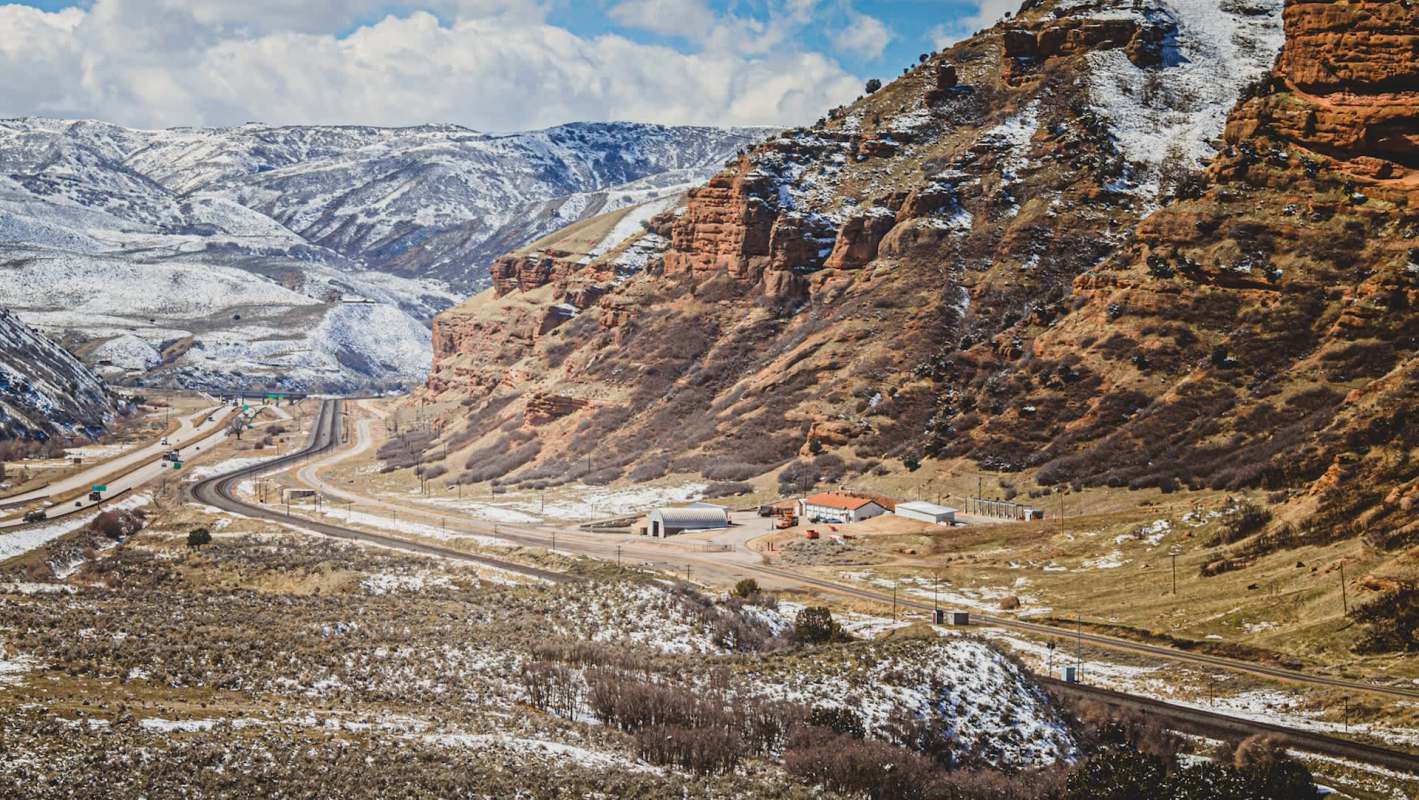
After a historic winter storm swept through the central and eastern U.S. in late December, the nation's snow cover surged. Unfortunately, the storm spared most of the western half of the country, where several states are enduring an unusual snow drought.
At its peak, a major winter storm that struck over the last full weekend of January prompted winter storm warnings for over 148 million people across portions of at least half the states in the country. Only three of the 25 states under warning were in the West. The path of the snowstorm laid down a swath of snow from New Mexico to New England along a path that stretched for over 2,000 miles.
Several states from the Rockies to the West Coast are waiting for snow to help offset a snow drought. The snowfall deficit in the West is expected to persist across most of the region this week as a warm, dry overall pattern holds.
"We have had multiple rainstorms rather than snows. We've had rain up to 10,000 feet, which is pretty abnormal here," Dr. McKenzie Skiles, the director of the Snow Hydrology Research-to-Operations Laboratory at the University of Utah, told the New York Times.
Snow cover across the contiguous U.S. climbed to just over 56% on Jan. 26, the day after the historic winter storm that dumped nearly 2 feet of snow on Boston. The majority of the snow that fell with the late January storm and since has targeted the central and eastern U.S.
NASA satellite imagery of the West taken just after the storm revealed "meager" western snow cover on Jan. 15 with only a slight increase noted after the storm.
Perk up the winter blues with natural, hemp-derived gummies Camino's hemp-derived gummies naturally support balance and recovery without disrupting your routine, so you can enjoy reliable, consistent dosing without guesswork or habit-forming ingredients. Flavors like sparkling pear for social events and tropical-burst for recovery deliver a sophisticated, elevated taste experience — and orchard peach for balance offers everyday support for managing stress while staying clear-headed and elevated.
Learn more → |

"The mountains of the western United States are sporting thin winter coats in early 2026," according to NASA. "Although most regions saw average or above-average precipitation in fall and early winter, warmer temperatures meant that much of it fell as rain. The result has been an unusually low snowpack for this time of year, constituting a snow drought."
Salt Lake City has only had a tenth of an inch of snow since Dec. 1, the start of meteorological winter. Average snowfall for the city at this point of winter is over 2 feet. Elko, Nevada, has seen a little more than 3 inches of snow over the same period compared to an average of nearly 21 inches.
The snow water equivalent, the amount of liquid water in the snowpack, has dropped to 50% or less across large portions of Washington, Oregon, California, Nevada, Utah, Arizona, New Mexico, and Colorado, according to the National Integrated Drought Information System.
While long-range forecasts from the Climate Prediction Center are favoring most of the West for above normal precipitation, the region is also favored for above-normal temperatures.
TCD Picks » Upway Spotlight
💡Upway makes it easy to find discounts of up to 60% on premium e-bike brands





|
What's the most you'd pay per month to put solar panels on your roof if there was no down payment?
Click your choice to see results and speak your mind. |
 $200 or more 💰
 "The predictions are we will get less snow because the precipitation base will be rain rather than snow, and the line at which snow accumulates will keep creeping up," cautioned Dr. Skiles.
Our overheating planet is taking a toll on snowpack in the West. An analysis of snowfall trends at over 2,000 U.S. locations by non-profit Climate Central revealed nearly two-thirds (64% of them have less snowfall now compared to the early 1970s.
"A 2020 study identified the western U.S. as a global hot spot for snow drought," noted researchers. "The region experienced a 28% increase in the duration of snow droughts from 1980 to 2018."
The ski industry is struggling because of the lack of snow. A resort in New Mexico may have to end its ski season early the way things are going this winter. Another serious concern raised by snowfall deficits this winter in the West includes a major decline in reservoir water levels.

Get TCD's free newsletters for easy tips to save more, waste less, and make smarter choices — and earn up to $5,000 toward clean upgrades in TCD's exclusive Rewards Club.
Cool Picks