


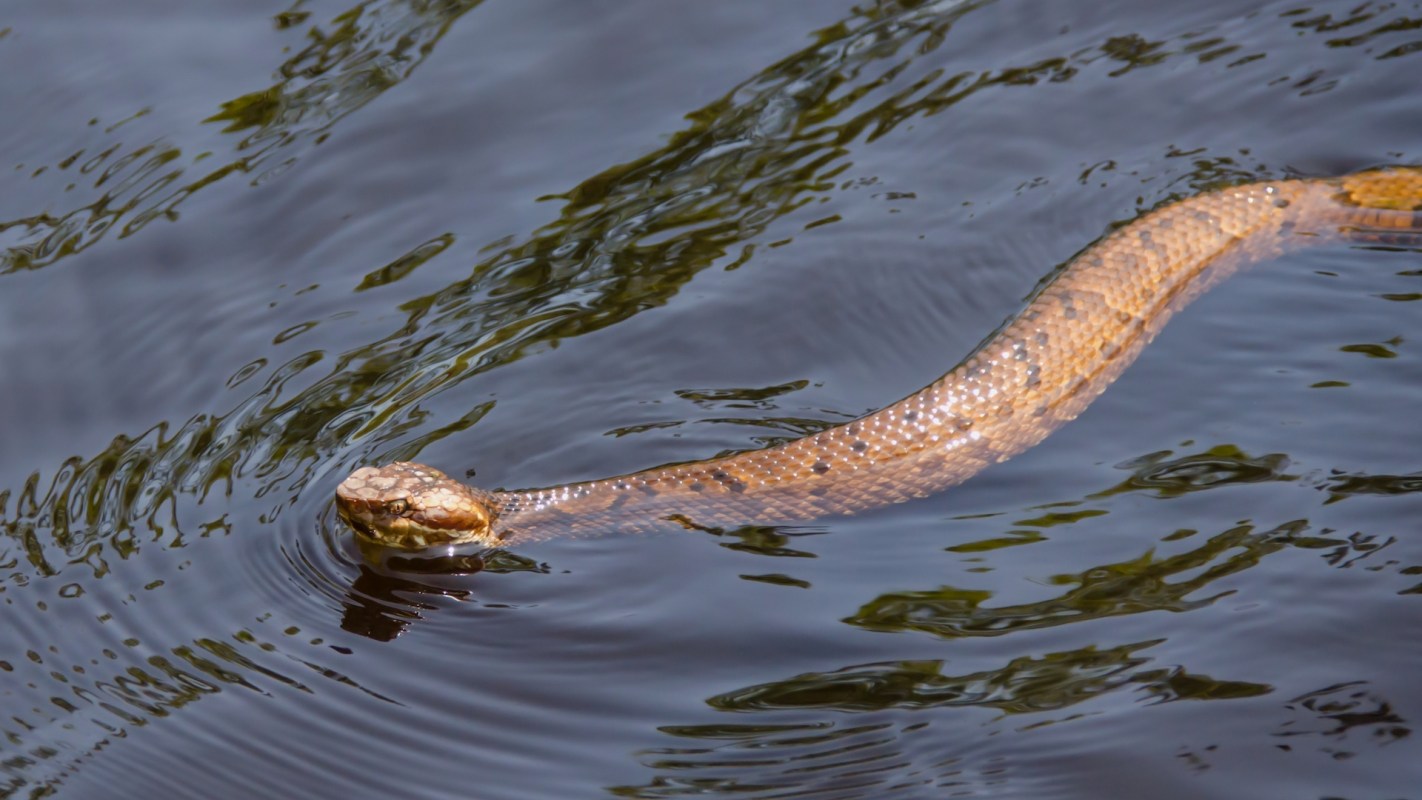
Reports from Guangxi say severe flooding in southern China in early July may have set loose large numbers of snakes from breeding farms, including cobras.
With muddy water pushing animals into homes, streets, and debris piles, nearby residents are now facing a second threat after the rains.
What happened?
A snake farm in Hengzhou, in China's Guangxi Zhuang autonomous region, took on floodwater after several days of rain tied to Typhoon Maysak.
Footage carried by state media and rapidly shared online showed residents catching snakes with dip nets, with a cobra at one point visible above the rushing muddy water.
Water snakes, king ratsnakes, and cobras were among the species that got loose, local outlets said, according to The Guardian.
As inundation continued across Guangxi, officials urged residents to be especially careful.
TCD Picks » Quince Spotlight
💡These best-sellers from Quince deliver affordable, sustainable luxury for all




On July 6, two reservoirs in Guangxi overflowed and then breached, leaving villages in several towns surrounded by floodwater.
Beijing News separately said a person bitten by a snake had died, citing witnesses and a local hospital.
Snake sightings tend to rise during southern China's floods, but an escape of this scale from a commercial breeding operation is reportedly unusual.
Why does it matter?
Venomous snakes loose in flood-hit neighborhoods can turn routine cleanup into a medical emergency, especially when residents are wading through murky water or clearing soaked furniture and rubble without being able to see what lies underneath.
Commercial breeding operations had already concentrated large numbers of venomous animals close to residential areas well before the floodwaters carried the threat toward people's homes.
Conflicts often rise when habitat loss, human expansion, and environmental stress push animals and people into closer contact, as the BBC has reported.
A hidden bite can mean a rushed hospital trip, missed work, and in the worst cases, death.
Similar dynamics have played out elsewhere. In South Africa, a python turned up inside a family's house as expanding towns fragment natural habitat, and in the U.S. Mid-South, snake-related house calls have risen sharply as neighborhoods creep into former wildlife habitat.
What's being done?
The Hengzhou Media Convergence Centre released emergency advice on avoiding and treating snakebites, saying rising floodwater had freed venomous species including cobras, kraits, and green pit vipers.
Officials also said anti-venom supplies had been increased and that Hengzhou People's hospital was using a fast-track channel for snakebite patients.
Treatment speed can make a major difference after a venomous bite.
Residents are also being urged to take basic precautions while flood recovery continues: use lights when entering dark rooms, avoid reaching blindly into debris, wear protective boots and gloves when possible, and seek medical care immediately after any suspected bite rather than waiting for symptoms to worsen.
Local people are already trying to remove snakes from public areas, but experts generally warn that untrained residents should not attempt to handle venomous animals themselves.
As one snakebite victim told Beijing News, "Hundreds of snakes escaped all at once. I've seen five or six."

Get TCD's free newsletters for easy tips, smart advice, and a chance to earn $5,000 toward home upgrades. To see more stories like this one, change your Google preferences here.







