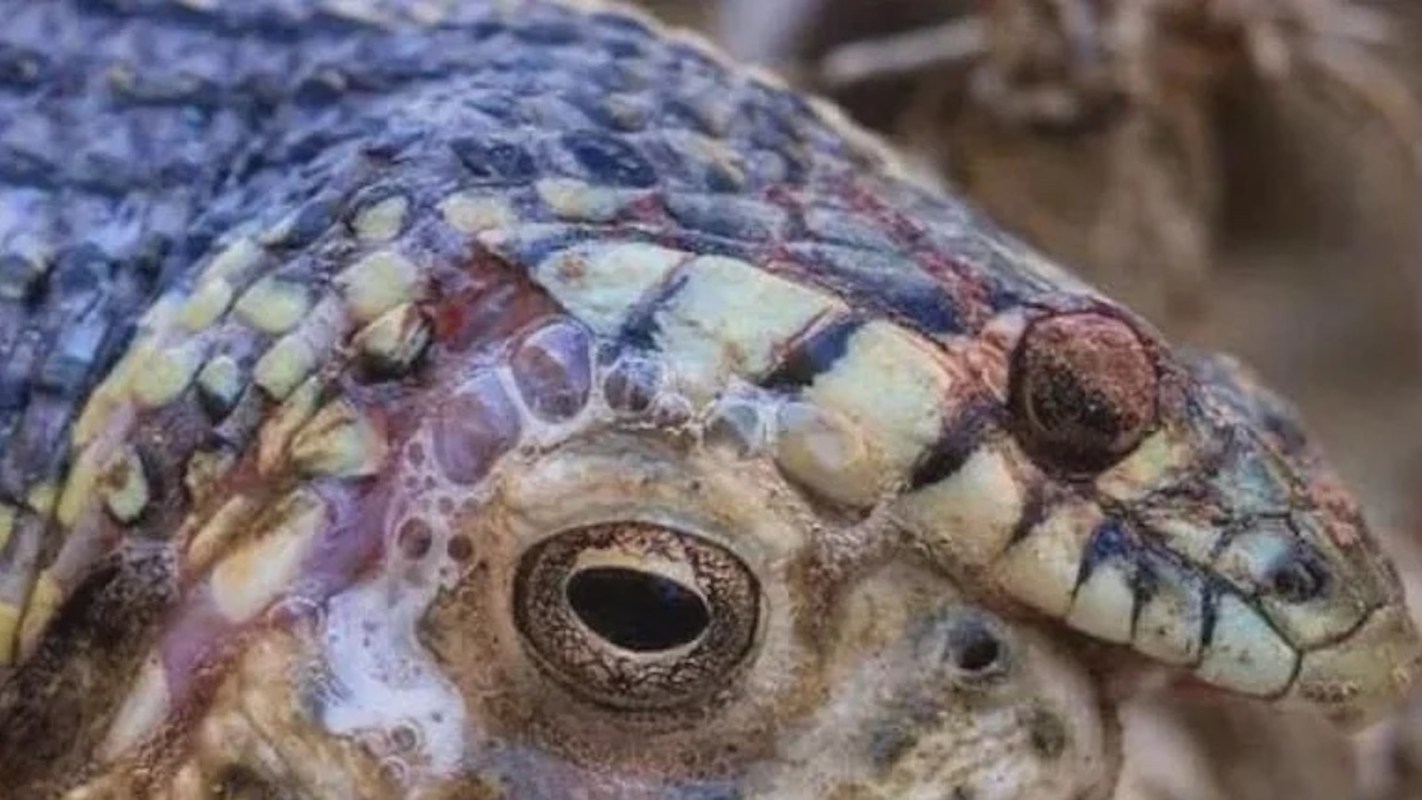
A Reddit post is getting attention for its brutal simplicity: A snake appears to have died while trying to eat a Giant Plains toad, while the toad itself looks almost comically unbothered.
According to the post, the snake died after attempting to eat the toad. The toad, meanwhile, seemed unfazed by the encounter, which only added to the fascination with the scene.
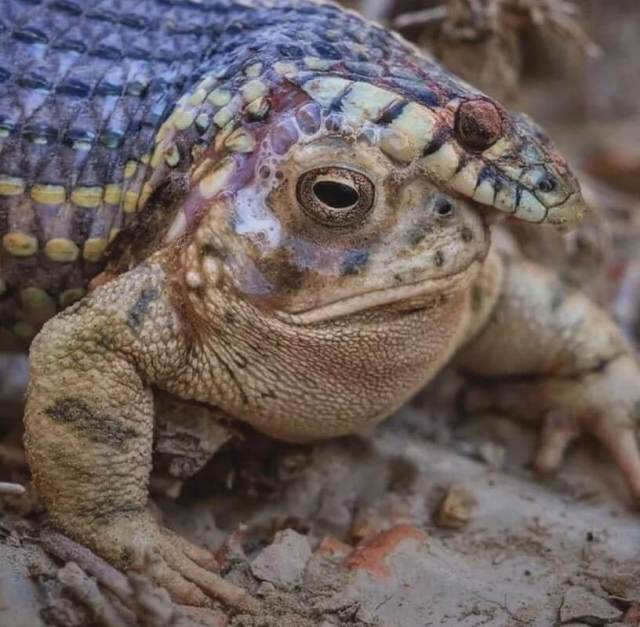
One of the top comments pointed out the white, milky substance visible near the toad, writing that it is "a toxin that the toad excretes from behind their eyes" to make predators back off. The commenter also noted they were "no herpetologist," so the exact cause of death in this case remains unconfirmed.
Some toads rely on chemical defenses, and predators that misjudge that risk can pay for it. One commenter joked that the animal had emerged from the ordeal with a new accessory.
Even when these encounters happen in nature, they do not exist in a vacuum. Human development can change how and where animals meet, pushing snakes, amphibians, and other species into tighter quarters around roads, drainage areas, lawns, and artificial water sources.
Altered habitats can increase risky interactions between wildlife and people as well as predators and prey. When animals lose space or are funneled into fragmented environments, the chance of conflict rises.
TCD Picks » Good Store Spotlight
Get 10% off your next purchase with code TCD10
Toxic amphibians are also a reminder that wildlife defenses can have ripple effects in shared spaces. Curious pets, for example, can be vulnerable when they investigate animals they do not recognize as dangerous.
If you live in an area where snakes and toads are common, give wildlife space. Avoid handling unfamiliar animals, and keep pets from approaching amphibians or reptiles in yards, parks, or near standing water.
It also helps to reduce the kinds of conditions that concentrate wildlife around homes. Limiting clutter, monitoring outdoor water sources, and staying alert at dawn and dusk can lower the odds of close encounters without harming native species.
People in the comments were equally fascinated and horrified by the image.
TCD Picks » Quince Spotlight
💡These best-sellers from Quince deliver affordable, sustainable luxury for all




"The milky stuff is a toxin that the toad excretes from behind their eyes which makes them taste bad and in certain scenarios can make them poisonous," one person wrote.
"An animal that deep in their mouth would have a heck of a time getting free," one Redditor wrote.
Another captured the mood more bluntly: "Snake dies. Mr Toad gets a new hat."

Get TCD's free newsletters for easy tips, smart advice, and a chance to earn $5,000 toward home upgrades. To see more stories like this one, change your Google preferences here.