
A U.K. couple got a terrifying wake-up call at 4 a.m. when a snake hidden inside a pillowcase bit one of them while they slept.
The twist: The animal was later identified as a missing pet that had apparently been living under their bed for months.
In a Reddit post that quickly drew attention, the original poster said his girlfriend was bitten after moving her hand in her sleep and disturbing the snake.
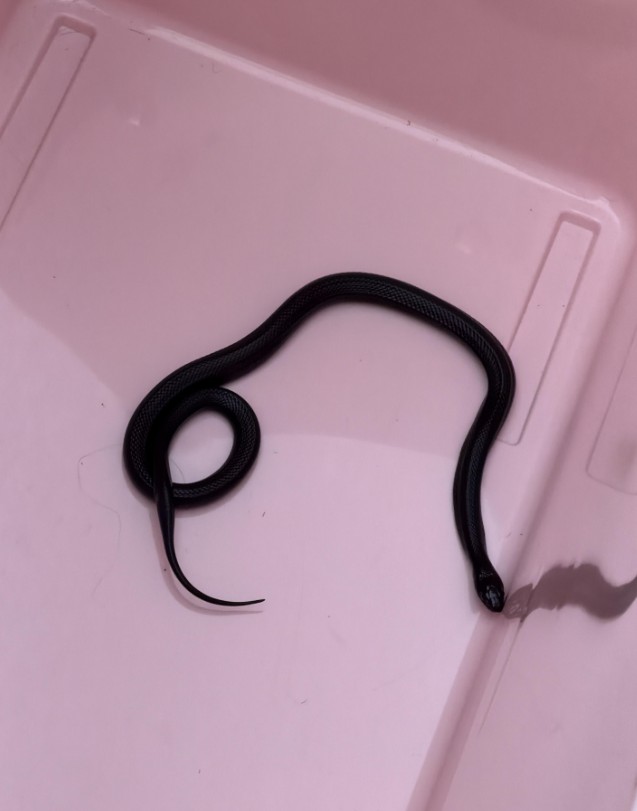
Commenters quickly identified the animal as a Mexican black kingsnake, a nonvenomous species. One person wrote: "100% Mexican Black Kingsnake. I have one as a pet. Non venomous," adding that it was likely "trying to keep warm."
The poster later confirmed that identification, believing the snake was about 1 to 1.5 years old. In an update, the poster explained that none of their neighbors initially seemed to have snakes, making the animal's path into the house — and the bed — especially baffling.
A second update solved the mystery. The snake did, in fact, belong to the couple's next-door neighbor and had reportedly been missing for three months. According to the post, evidence suggested it had been living under the bed that entire time.
TCD Picks » EDF Spotlight
💡EDF's Vital Signs newsletter delivers stories about game-changing solutions close to home and around the world




While the bite itself was alarming, the story serves as a reminder that many close encounters with animals are tied to human activity. In this case, the snake was not wild — it was an escaped pet.
Still, its presence in the home stemmed from captivity, transport, and inadequate containment.
For humans, an unexpected bite, even from a nonvenomous snake, can cause panic, injury, and expensive medical visits. For the animal, escape can mean stress, starvation, dehydration, and danger from people who may react out of fear.
The story also highlights how exotic pet ownership can create unusual risks in neighborhoods and homes. A species that would not normally be found in a U.K. bedroom ended up there because of a preventable human error.
TCD Picks » Quince Spotlight
💡These best-sellers from Quince deliver affordable, sustainable luxury for all




It is also a rare example of a frightening encounter ending without the animal being injured, or worse.
For pet owners, the biggest takeaway is simple: Secure enclosures matter. Snakes are skilled escape artists, and even small gaps, loose lids, or damaged locks can lead to disappearances that put neighbors and the animals themselves at risk.
If you find an unfamiliar snake in your home, avoid trying to handle it unless you are trained. Keep your distance, isolate the animal if possible by closing interior doors, and contact local animal control, a reptile rescue, or a qualified wildlife professional.
It also helps to inspect bedrooms and hidden spaces if something seems off. In this case, the later discovery of droppings suggested the animal had been sheltering under the bed for a long time. Regular cleaning and checking around warm, dark hiding spots can help uncover problems sooner rather than later.
And if you do keep reptiles or other exotic pets, responsible ownership includes planning for escapes, informing neighbors if an animal goes missing, and learning humane handling practices.
"Absolutely no idea how it found its way into our house (or bed)," the poster wrote.
One commenter praised the couple's reaction: "Aw, you guys are awesome for not killing it straight away. A lot of people in that same situation might not keep such level heads."

Get TCD's free newsletters for easy tips, smart advice, and a chance to earn $5,000 toward home upgrades. To see more stories like this one, change your Google preferences here.