


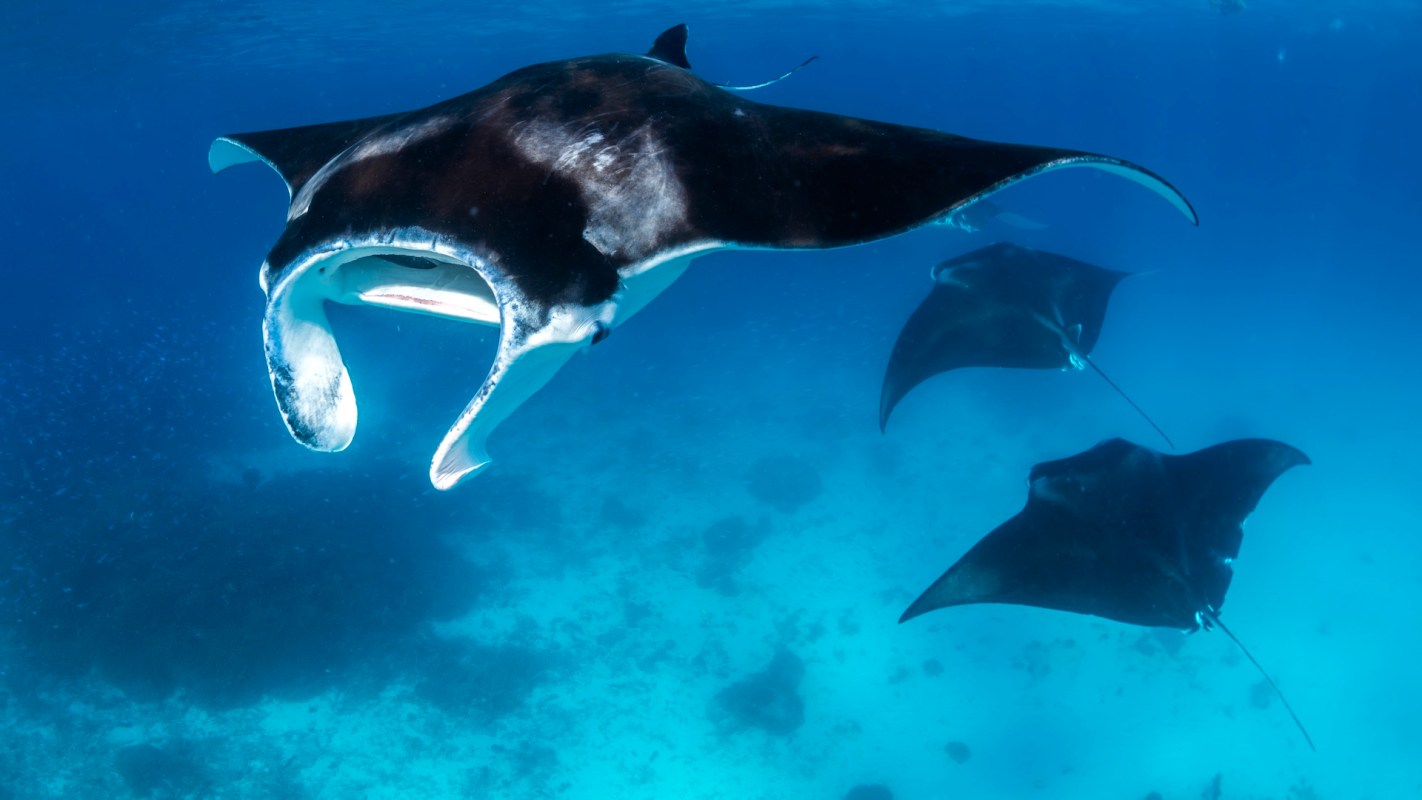
Madagascar and Zanzibar are implementing broad new safeguards for sharks and rays, extending a years-long conservation trend in East Africa, the countries announced in a news release.
The Wildlife Conservation Society (WCS) says the urgency is high, with sharks and rays among the vertebrates facing the most rapid extinction pressures worldwide.
What happened?
New shark and ray protections were announced by Madagascar and Zanzibar at an Our Ocean Conference side event in Mombasa, Kenya. WCS said conservation organizations view the move as another important development in a regional effort that has been building for more than a decade.
"Sharks are an essential part of healthy ocean ecosystems," Luke Warwick, Senior Director of WCS's Threatened Marine Species program, said in the release. "This … gives us hope we can end the declines of the last half century, and start these ancient predators on the long road to recovery."
The WCS said 14 shark and ray species in Madagascar will receive full protection under the country's Wild Fauna Decree. Those species include the critically endangered oceanic whitetip, as well as whale sharks and manta rays, per the release.
According to WCS, Zanzibar will extend full protection in its coastal waters to 34 species, among them hammerheads, threshers, and the Zanzibar guitarfish, which is found only there.
TCD Picks » Quince Spotlight
💡These best-sellers from Quince deliver affordable, sustainable luxury for all




More than 37% of shark and ray species are threatened with extinction, placing them among the most imperiled vertebrate groups on the planet, WCS noted.
Why does it matter?
Sharks are apex predators and play a crucial role in maintaining healthy ocean ecosystems. When their populations decline, the effects ripple through those ecosystems and harm reefs, fisheries, and the communities that depend on the ocean for food and income.
Stronger protections for sharks and rays can help support healthier marine ecosystems that sustain tourism, fishing economies, and coastal resilience over time.
For communities in island and coastal regions, thriving oceans are closely tied to jobs, nutrition, and economic stability.
The announcements also continue encouraging momentum.
As WCS noted, at CITES CoP20 in November 2025, countries approved every shark and ray proposal before them. They added more than 70 species and, for the first time, placed most of the shark fin market and 70% of the meat trade for sharks and rays under international regulation.
WCS said CITES now includes 180 listed species in total, 33 of them subject to a full commercial trade ban.
What are people saying?
John Mandelman, Shark Conservation Fund's executive director, said the broader trend is encouraging and much-needed.
"From global decisions to local action on the water, the scale and pace of progress in shark conservation is truly remarkable," Mandelman said in the release. "Yet threatened sharks and rays, and the habitats they depend on, still require the strongest protections."

Get TCD's free newsletters for easy tips, smart advice, and a chance to earn $5,000 toward home upgrades. To see more stories like this one, change your Google preferences here.







