


Summer blockbusters and horror movies have made us jump when we see sharks on camera. However, a new shark discovery has scientists jumping with excitement.
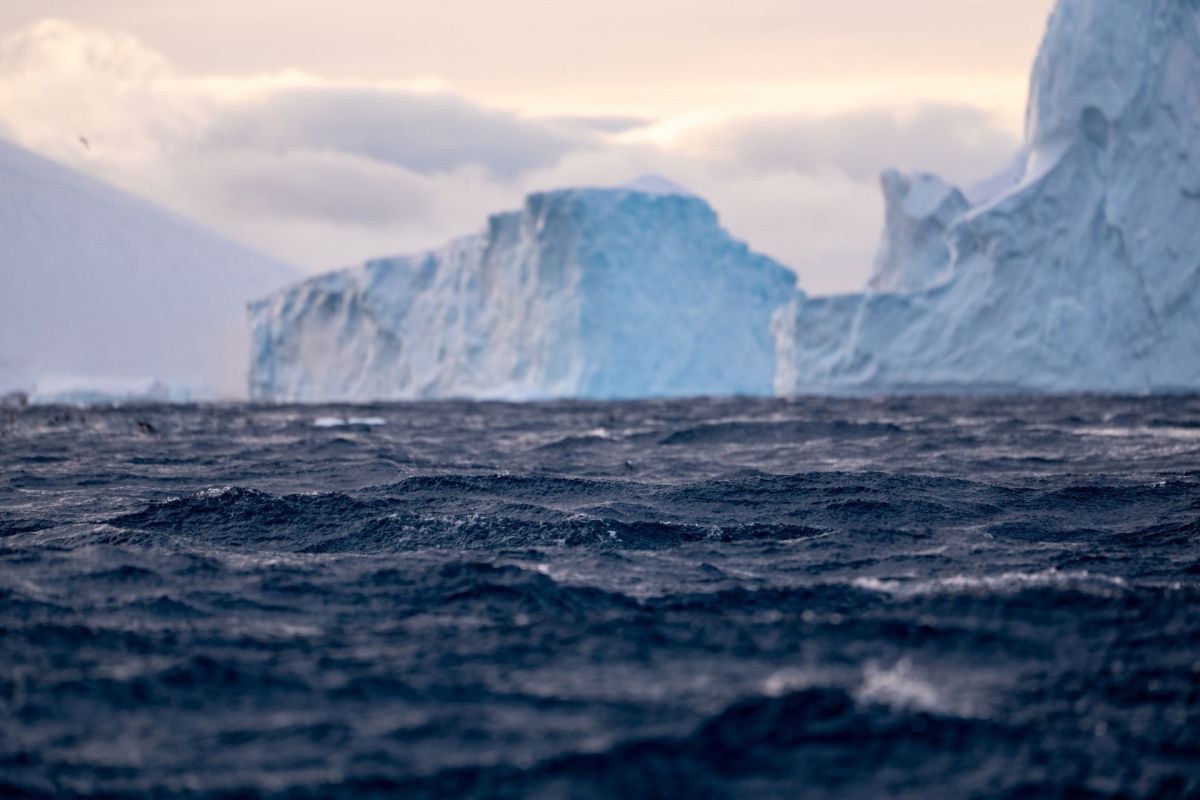
Researchers have captured the first-ever footage of a shark swimming in the frigid Southern Ocean.
The sighting, reported by Forbes, shows what experts believe is a southern sleeper shark cruising roughly 500 meters below the ocean's surface in water hovering close to freezing. Until now, sharks weren't thought to inhabit these near-freezing Antarctic waters. The footage was captured by a remotely deployed deep-sea camera system.
Scientists said the discovery is exciting because it opens new doors for understanding how species adapt to extreme environments and how those ecosystems may be shifting as ocean temperatures change.
"There are likely more sharks already there than we realize, and if their populations increase with ocean warming this would likely be gradual, but it's definitely something to keep a closer eye on," Dr. Rebecca Duncan, a polar marine ecologist at the University of Technology Sydney, told Forbes.
Trail cameras and deep-sea monitoring systems like the one used in this discovery are becoming powerful tools for conservation. Whether mounted in remote forests or submerged in frigid oceans, these unobtrusive cameras allow researchers to observe wildlife without disturbing it. This is critical for collecting new data on species presence, migration, and behavior.
That data can help experts gauge the health of fragile populations, especially endangered species. Cameras have already played a vital role in documenting elusive animals thought to be in decline, confirming breeding success in rehabilitation programs, and spotting early warning signs of ecosystem stress.
In Antarctica's case, understanding whether sharks are expanding their range can help scientists anticipate ripple effects throughout the marine food chain.
Apex predators often signal larger environmental changes. If their habitats are shifting, it could reflect broader warming trends or changes in prey availability.
Healthy oceans regulate the global climate, support fisheries, and stabilize weather systems. The more we understand about how species are adapting or struggling, the better equipped communities are to prepare for change.
TCD Picks » Quince Spotlight
💡These best-sellers from Quince deliver affordable, sustainable luxury for all




Each discovery adds another piece to the puzzle of how ecosystems respond to a warming world — and how we can help combat it.
|
Which of these savings plans for rooftop solar panels would be most appealing for you?
Click your choice to see results and earn rewards to spend on home upgrades. |
 Save $1,000 this year 💸
Get TCD's free newsletters for easy tips to save more, waste less, and make smarter choices — and earn up to $5,000 toward clean upgrades in TCD's exclusive Rewards Club.
Cool Picks




