


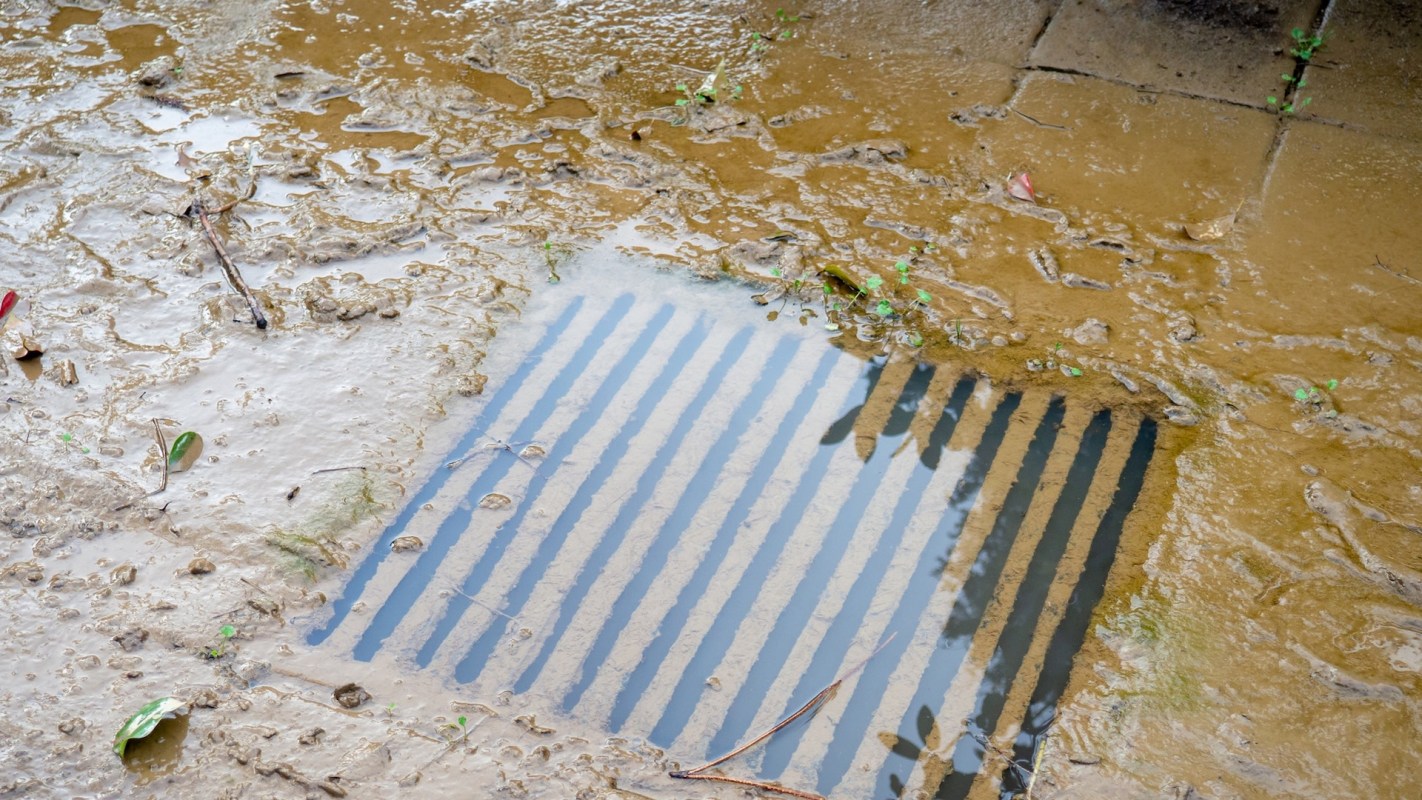
Recent storms have overwhelmed sewer systems in coastal Georgia, resulting in increased sewer spills that are a mix of stormwater, groundwater, and sewer water, the Savannah Morning News reported.
Tybee Mayor Brian West said that the thousands of gallons that are spilled after heavy rainfall events are not uncommon. "It happens frequently in flat coastal cities at sea level," he reported.
What's happening?
The combination of rain, sea level rise, and water seeping into the soil brings groundwater closer to the surface, a foot higher than the peaks seen over the last ten years. West is concerned about the old, degraded terracotta pipes of the sewer system being able to handle the pressure, as they are already open and cracking.
Some septic tanks are failing, increasing fecal contamination in the affected areas. Private wells are also being contaminated.
The public water system is better protected, but could still be vulnerable.
Why are the sewer spills important?
Immediate concerns include the spread of bacteria such as E.coli as well as fecal contamination of the water supply. A University of Georgia field study reported that when flooding occurs around a well, it is likely that bacteria will contaminate the water. About a third of the 285 contaminated wells that were studied contained fecal matter.
This is a huge risk to human health.
When we examine the bigger picture, scientists are attributing the increase in storm activity to the warming of the planet. As weather events intensify, we see more rainfall, which can cause flooding and other ramifications, such as the contamination that has happened in Georgia.
What's being done about the contamination in Georgia?
We must continue to address climate issues, such as the burning of dirty energy sources, which are creating planet-warming pollution, to prevent – or at least minimize – future problems.
To help alleviate the immediate issues in Georgia, Brunswick and Glynn County plan to connect septic systems to sewer lines to minimize the contamination. With a grant from the Georgia Environmental Protection Division, they are going to take samples to confirm that the plan is eliminating fecal contamination.
TCD Picks » Quince Spotlight
💡These best-sellers from Quince deliver affordable, sustainable luxury for all




|
Do you worry about the quality of the air inside your home?
Click your choice to see results and speak your mind. |
 Yes — often 😬
 Savannah's assistant director of water resources, Shawn Rosenquist, is concerned about the city's 200-year-old sewer system. It's "not a machine we can take and trade in at the dealership and get a brand new one," he stated. The city is having to patch together PVC, concrete, and steel to repair cracked and broken lines. Rosenquist said, "in some cases, the pieces don't exist anymore."
We can hope that through preventive efforts toward a healthier environment, overall, and the patchwork of efforts to repair aging infrastructure, water contamination in Georgia can be minimized.

Join our free newsletter for good news and useful tips, and don't miss this cool list of easy ways to help yourself while helping the planet.
Cool Picks




