


Officials in India stopped a smuggling attempt that could have unleashed a dangerous situation for people and local ecosystems.
What's happening?
Officials rescued a rare African serval cat from traffickers near the Bangladesh border.
In the Nadia district of West Bengal, India's Border Security Force spotted suspicious movements on August 22 and quickly launched a search.
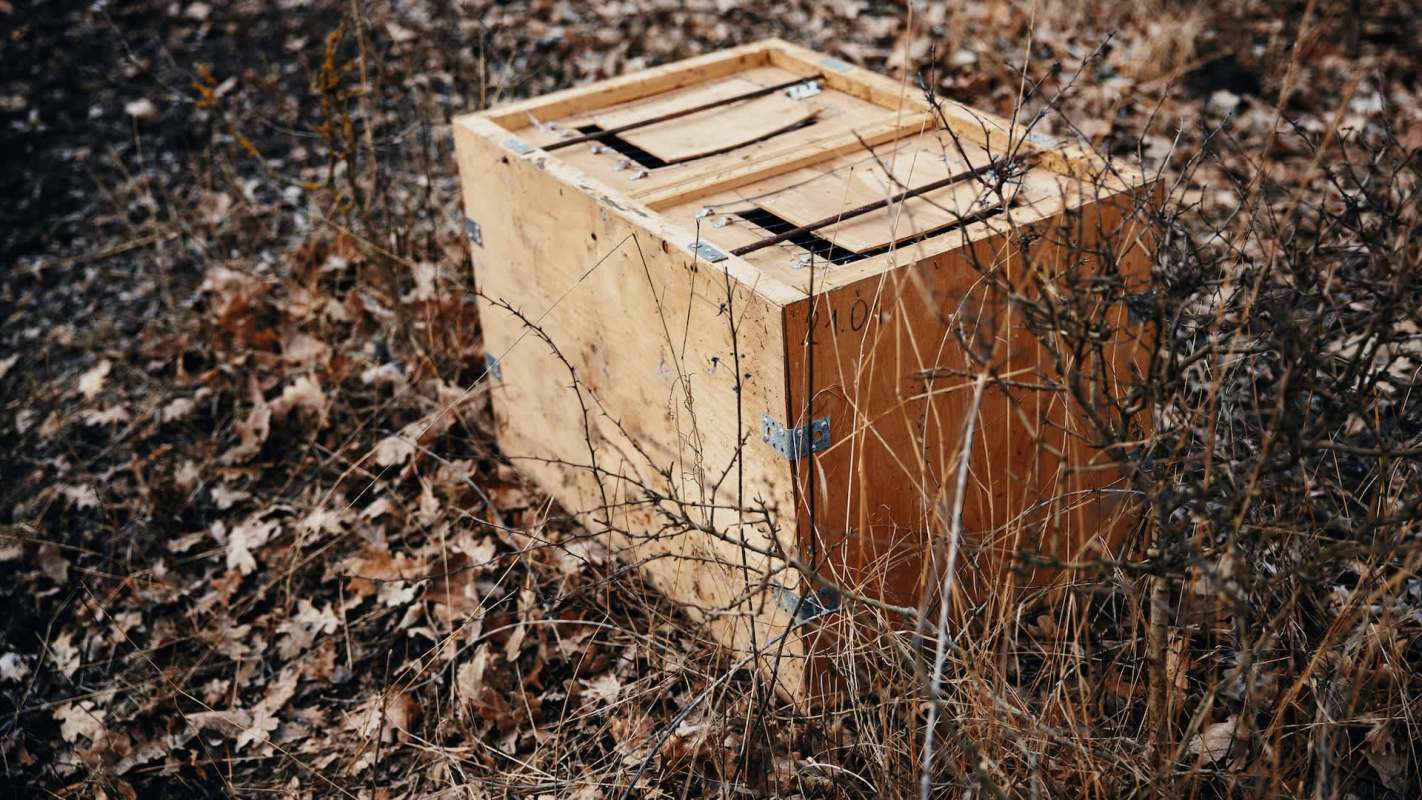
The smugglers fled back toward Bangladesh, leaving behind a wooden crate containing the serval, according to the Sakshi Post.
"They were attempting to cross over from Bangladesh into Indian territory," a senior BSF official said, per the publication. After seeing the Border Security Force, the smugglers fled into "dense vegetation" to avoid arrest.
"The troops immediately launched a thorough search of the area," the official continued. "During the search, a rare wild cat — suspected to be an African serval Cat — was found alive inside the wooden crate. The rescued animal was taken into custody and handed over to the concerned forest department office for further action."
TCD Picks » Quince Spotlight
💡These best-sellers from Quince deliver affordable, sustainable luxury for all




The serval, a slender wild cat with a golden spotted coat and long legs, can sell for as much as $70,000 on the black market.
This is just the latest in a series of high-profile trafficking cases worldwide. In April, police in Spain busted a smuggling ring and rescued 19 exotic cats. Elsewhere, a Canadian woman was fined $15,000 for illegally breeding servals.
Why is this concerning?
Servals are native to Africa and aren't meant to live alongside people in Indian towns or villages. They're roughly five times bigger than house cats, can injure humans with their teeth and claws, and if released or abandoned, they could wreak havoc on local wildlife populations.
Animal trafficking also threatens global biodiversity by pushing rare species closer to extinction. Growing demand for exotic pets on social media has fueled this illegal trade, putting more pressure on already stressed animal populations.
|
Do you worry about the longevity of EV batteries? Click your choice to see results and speak your mind. |
 For sure 💯
 Beyond the animal welfare concerns, smuggling also poses public health and community safety risks. Wild animals can spread diseases to humans and livestock and strain already limited local resources when confiscated animals need care.
The illegal trading of protected animals is an increasingly concerning problem as more and more species are pushed into endangerment due to human activity, warming global temperatures, and increasing intensity and frequency of extreme weather events.
This results in more animal populations being put under threat. A loss of biodiversity punishes the natural world as human development encroaches further and further into wildlife habitats.
What's being done about it?
Thankfully, India's Border Security Force stopped this serval from being sold illegally. But experts warn that much more needs to be done to address the global wildlife trafficking crisis.
Groups like Big Cat Rescue recommend unified global databases to better track smuggling networks, DNA and isotope analysis to confirm animals' origins, and stronger penalties to deter traffickers.
AI-powered monitoring on social media platforms could also help reduce demand by identifying and removing illegal exotic animal listings.

Join our free newsletter for good news and useful tips, and don't miss this cool list of easy ways to help yourself while helping the planet.







