


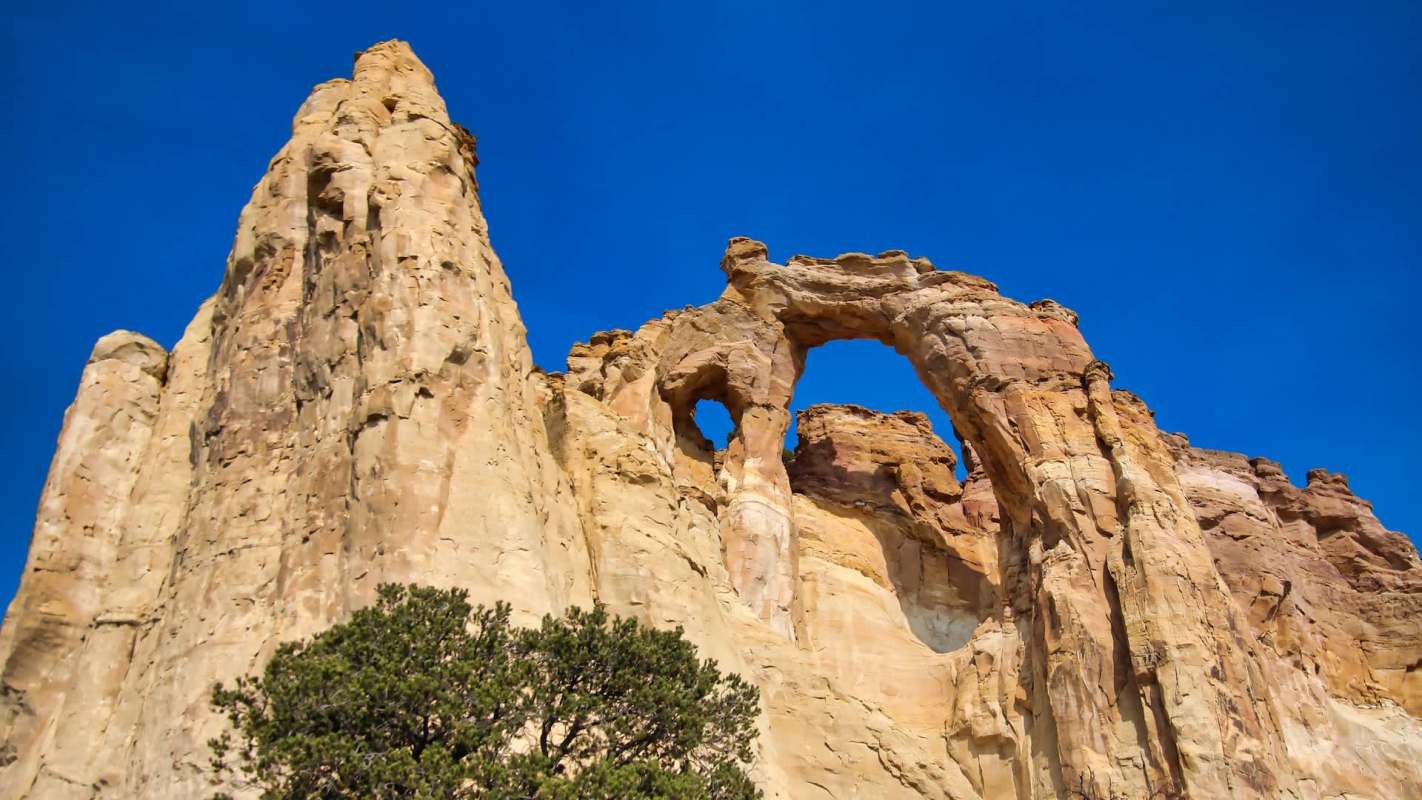
A Senate timing lapse has complicated Utah Republicans' bid to weaken protections at Grand Staircase-Escalante National Monument, stripping the measure of the easier path it would have had before the deadline expired.
For tribes, conservation advocates, and visitors who see the southern Utah landscape as both sacred and worth protecting, the lapse amounts to a temporary victory.
What happened?
The Senate let the Congressional Review Act's 60-day fast-track period expire without voting on a bid by Utah Republicans to cancel Grand Staircase-Escalante's current management plan, Inside Climate News reported. The resolution could still move forward, but it would now require 60 votes rather than a simple majority.
Grand Staircase-Escalante was created in 1996 by President Bill Clinton and now covers 1.87 million acres in southern Utah. Its boundaries were reduced during the first Trump administration and later restored under President Joe Biden.
Opponents had targeted the latest Bureau of Land Management plan, which includes stronger protections for the monument along with a tribal co-stewardship framework. Critics of the resolution warned that it could have opened the door to broader off-road vehicle use, heavier grazing, and vegetation-clearing practices, such as timber cutting and chaining operations, that damage native desert plants.
"All I could think was, 'I need to help, I have to help protect this,'" Autumn Gillard, the Paiute Indian Tribe of Utah's cultural resource manager and the coordinator of the Grand Staircase-Escalante Inter-Tribal Coalition, said, according to ICN.
TCD Picks » Quince Spotlight
💡These best-sellers from Quince deliver affordable, sustainable luxury for all




Gillard has been involved in efforts to protect the monument since witnessing damage to sacred petroglyphs there in 2017.
Why does it matter?
For tribal nations, the monument carries deep cultural and spiritual meaning. It also includes wildlife habitat, archeological resources, sacred sites, and some of the most remote and intact landscapes in the lower 48 states.
Keeping the current plan in place preserves a management model that gives tribes a formal role in stewardship. Advocates have warned that using the CRA in this way could become a blueprint for stripping protections from other public lands as well.
A rollback could mean more damage to places used for hiking, education, cultural learning, and recreation, along with fewer intact landscapes preserved for future generations.
Once a plan is overturned through the CRA, replacing it with something "substantially the same" can become difficult, ICN reported. Opponents of the effort said that, in this case, tribal co-stewardship could have been jeopardized.
What are people saying?
Gillard described the missed deadline as a welcome development, while making clear that the broader fight is not over.
"Today is a day of celebration, but we still need to advocate for places like Boundary Waters," she said, according to ICN.
Tim Peterson, Grand Canyon Trust's cultural landscapes director, said the consequences could have extended well beyond this single vote.
"Because of the way CRA says you can't issue a rule or a plan that is substantially the same in the future, does this mean that this is the end of tribal co-stewardship at Grand Staircase? That was a major, major, major concern," Peterson said.
Erik Stanfield, an anthropologist in the Navajo Nation Historic Preservation Department, argued that those seeking to change the plan should make their case publicly rather than dismiss the existing process.
"They should make that case in public," he said. "They should not pretend the process never happened."

Get TCD's free newsletters for easy tips, smart advice, and a chance to earn $5,000 toward home upgrades. To see more stories like this one, change your Google preferences here.







