


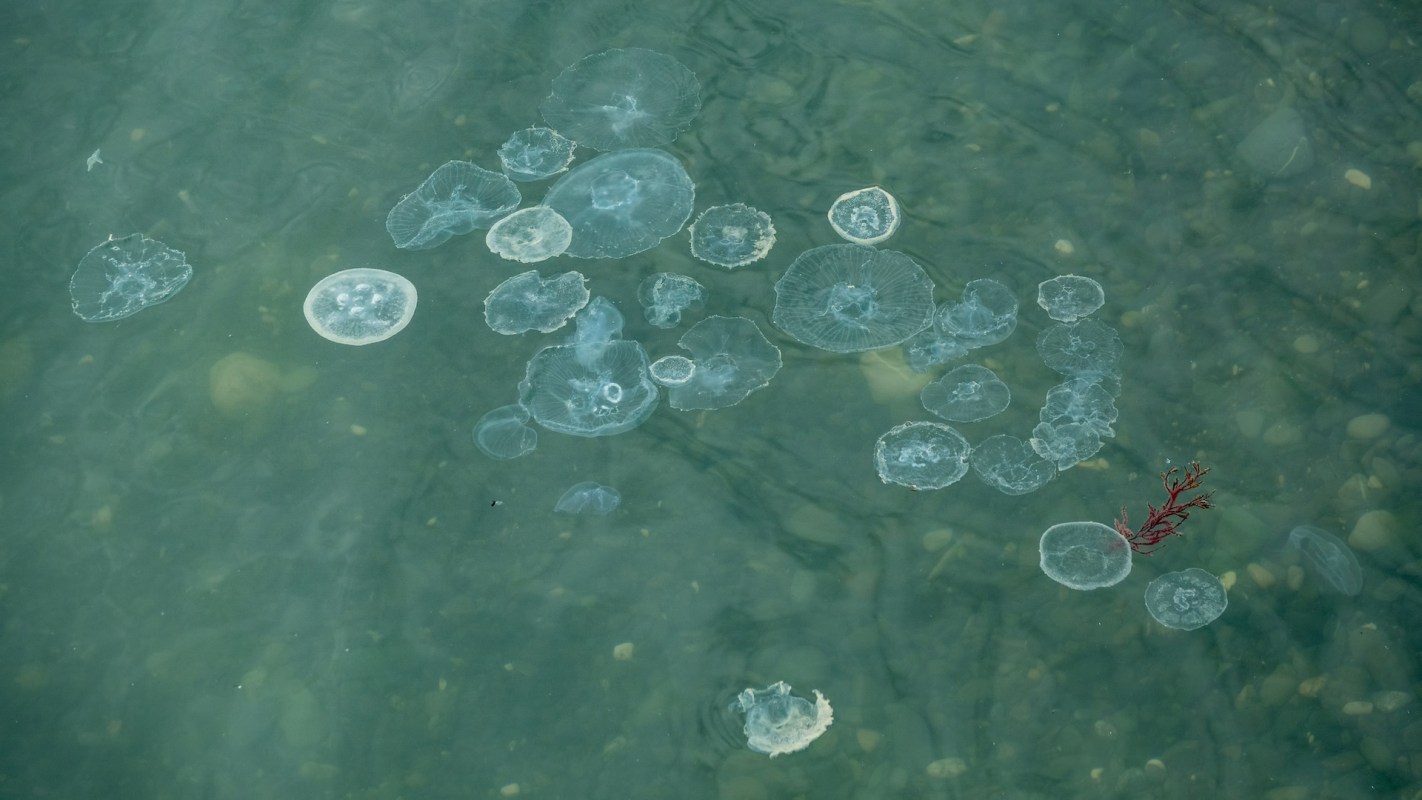
A newly identified box jellyfish species in Singapore — often referred to as a "sea wasp" — is giving scientists new insight into marine biodiversity while also offering potential benefits for improving beach safety.
Researchers from Tohoku University and the National University of Singapore have identified the new species, Chironex blakangmati, in coastal waters near Sentosa Island. The findings were published in Raffles Bulletin of Zoology and first reported by Phys.org.
Because box jellyfish are associated with intensely painful stings that can sometimes be fatal, the news may sound alarming. But researchers say the discovery marks an important advancement.
The more scientists understand about where these animals live, how to distinguish them, and how their ranges are shifting, the better prepared communities can be with stronger safety guidance for beachgoers.
The newly described species had previously been mistaken for another member of the same genus, Chironex yamaguchii. Only after combining genetic testing with detailed physical analysis were scientists able to confirm that the Singapore specimens represented a distinct species.
That distinction matters. Box jellyfish can be difficult to detect in the water, and unlike many jellyfish that drift with currents, Chironex species are active swimmers. Using a muscular flap and complex eyes, they move toward prey, making them especially important to understand in coastal areas shared with people.
TCD Picks » Quince Spotlight
💡These best-sellers from Quince deliver affordable, sustainable luxury for all




Researchers found that C. blakangmati can be separated from similar species by a subtle anatomical feature near the base of its bell-shaped body. Other known species have pointed canals at the ends of structures known as perradial lappets, but the newly identified species does not.
That detail may sound highly technical, but its value is practical. Better identification tools can help researchers and public safety officials recognize potentially dangerous species more quickly, without always relying first on molecular testing.
The benefit extends beyond marine biology. More accurate species tracking can improve beach safety guidance and help reduce the risk of accidental encounters. It also deepens scientific understanding of ocean ecosystems, which is important for protecting biodiversity.
The finding is also a reminder of how much remains unknown in the waters surrounding major cities. The discovery of both a new species and a species never before recorded in Singapore shows how much hidden diversity can exist in plain sight, even in coastal environments.
Danwei Huang, a National University of Singapore researcher, emphasized the broader scientific value of the work: "Our thorough review and analysis of all the Chironex species known to date reveal a lot about these box jellyfishes and highlight a new, helpful strategy that other researchers can use for species delineation."
For beach communities and ocean lovers alike, that deeper understanding could have meaningful real-world benefits, helping people stay safer while revealing how much there still is to protect beneath the surface.

Get TCD's free newsletters for easy tips, smart advice, and a chance to earn $5,000 toward home upgrades. To see more stories like this one, change your Google preferences here.







