


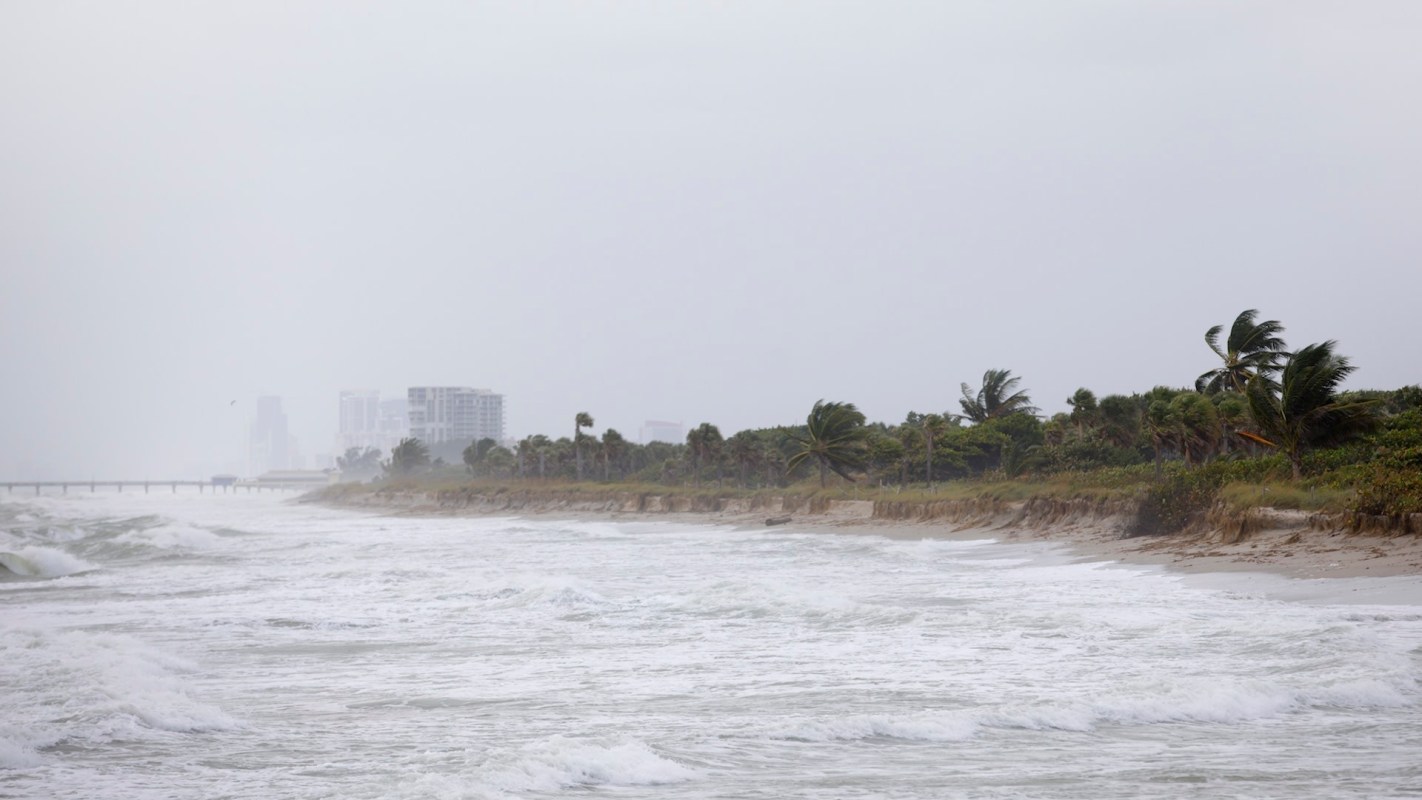
Sea turtles have nested on Florida beaches for 100 million years. But these ancient creatures now face an unexpected threat, Phys.org reported: stronger hurricanes hitting during their nesting season.
What's happening?
Female sea turtles crawl onto Florida's shores from March through October to lay their eggs. Each mother digs a two-foot hole in the sand and deposits about 110 soft, ping-pong-ball-size eggs before returning to sea. She might repeat this process up to eight times per season.
In 2024, Hurricanes Helene and Milton struck the state's Gulf Coast just 13 days apart, washing away hundreds of nests.
"Warning bells go off in my head," said Kristen Mazzarella, Anna Maria Island's turtle watch director, of dunes that have been replaced by flat sand.
Why are sea turtles worth protecting?
These remarkable animals keep ocean ecosystems healthy by controlling jellyfish populations and maintaining seagrass beds. Their empty eggshells even feed beach plants that prevent erosion.
But only one in 1,000 baby turtles survives to adulthood. The odds grow worse as warming ocean temperatures intensify hurricanes and bring higher storm surges that can reach 15 feet.
Heat creates another problem: The temperature of the sand determines whether eggs become male or female turtles. Warmer temperatures produce more females, which could leave too few males to maintain the population.
What's being done to help sea turtle eggs?
Conservation efforts since the 1970s have helped sea turtle populations bounce back. Florida had record-high nests in 2023.
Local groups teach beach visitors simple ways to protect nests: Fill in holes in the sand that could trap hatchlings, and turn off lights near the beach that might disorient babies trying to reach the ocean.
|
Do you think your house could withstand a hurricane? Click your choice to see results and speak your mind. |
 No way 😨
 "What's good for the animals, what's good for the habitat, ends up also being good for us," says James "Buddy" Powell, executive director of research at Clearwater Marine Aquarium. Protecting turtle-nesting beaches means preserving coastal areas that shield human communities from storms, too.
TCD Picks » Quince Spotlight
💡These best-sellers from Quince deliver affordable, sustainable luxury for all




You can help by supporting beach restoration projects in your area and learning more about sea turtle conservation from local environmental organizations. Small actions today will help these ancient mariners thrive for generations to come.

Join our free newsletter for good news and useful tips, and don't miss this cool list of easy ways to help yourself while helping the planet.
Cool Picks






