


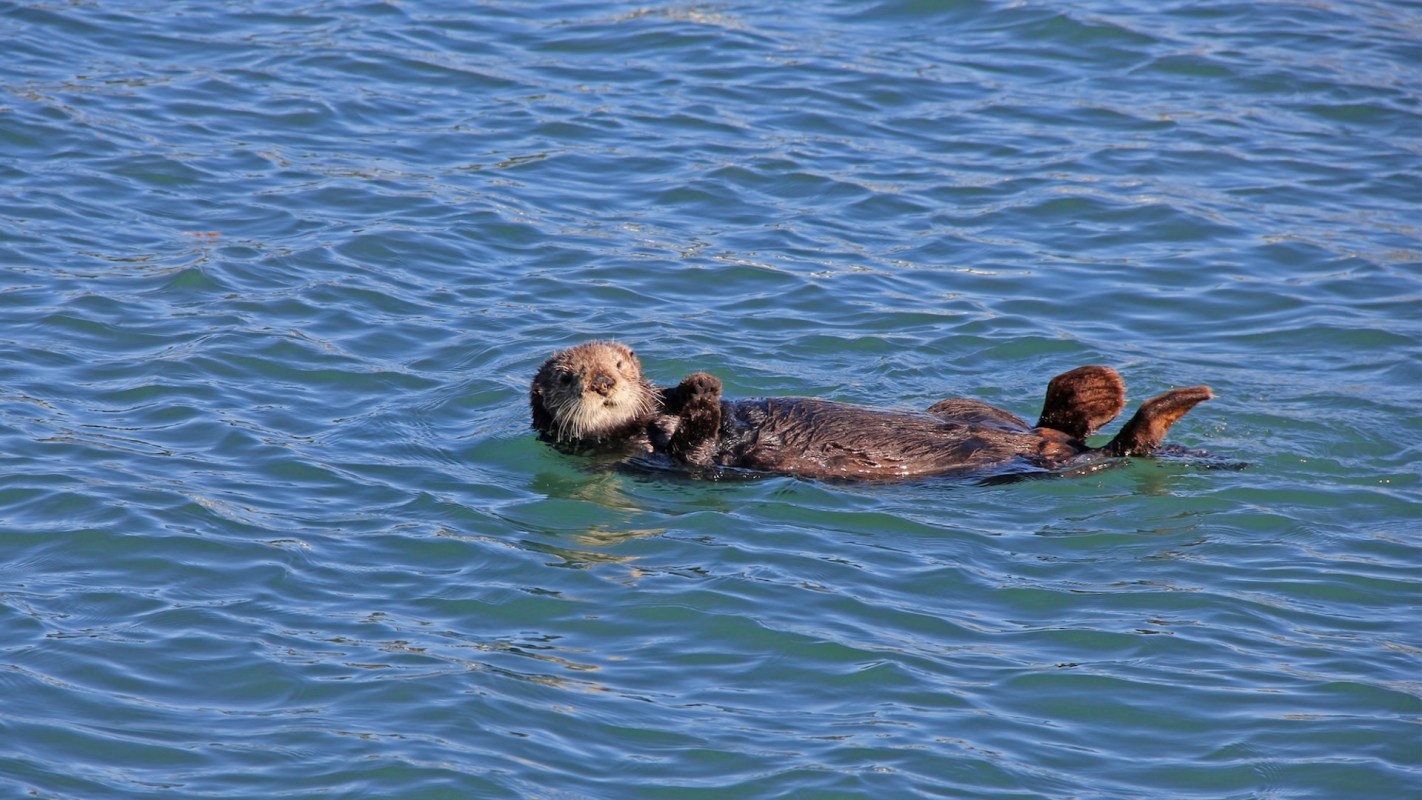
Sea otters living along the British Columbia coast are exposed to and absorb high levels of "forever chemicals," or PFAS.
Otters living near dense human populations and shipping zones are most affected by PFAS, signaling heightened threats to marine ecosystems.
What's happening?
A new study found that toxic, synthetic chemicals are prevalent in sea otters along Canada's coast and threaten their survival.
Researchers collected tissue samples from 11 sea otters found dead along the British Columbia coastline. All of them tested positive for PFAS. The researchers observed high PFAS levels in the deceased otters' livers, where the chemicals are readily absorbed and accumulate.
PFAS levels in the otters were highest in regions near busy urban centers and shipping lanes. In these places, otters had PFAS concentrations more than three times higher.
An unaffiliated Raincoast Conservation Foundation scientist, Peter Ross, described these findings as "no surprise, but troubling nonetheless."
He also offered the reminder that these "chemicals are a health risk to some species, including humans, and we've been really, really slow to work through the regulatory frameworks that we have in place."
Why are high PFAS levels a problem?
Although sea otters are wild animals, they are absorbing human-made chemicals that harm their health. The animals' proximity to humans impacts their exposure levels, and their health reflects the health of shoreline ecosystems.
PFAS are chemicals that don't break down easily and build up in tissues over time, especially in the liver. Studies have linked PFAS exposure to everything from organ damage to impaired reproduction, hormone disruption, and immunotoxicity.
For otters, this could mean that despite their impressive resiliency, their metabolism and immunity are compromised by PFAS contamination. Sea otters were reintroduced into the wild after being exploited in the fur trade. However, this PFAS contamination discovery stands to undermine these recovery efforts, posing a new ecosystem hazard with broader implications for the marine food web and coastal food chains.
TCD Picks » Quince Spotlight
💡These best-sellers from Quince deliver affordable, sustainable luxury for all




|
Do you worry about having toxic forever chemicals in your home?
Click your choice to see results and speak your mind. |
 Majorly 😥
 What's being done to control PFAS?
Studies like this one encourage researchers and policymakers to scale up wildlife monitoring and tighten PFAS restrictions to protect it. They also help raise public awareness of the risks posed by PFAS and enable us to protect and restore coastal habitats.
What's happening to sea otters in British Columbia is one of the many examples of PFAS' prevalence in our world today. With greater mindfulness of the issue, we can help curb this invisible form of pollution that lingers for so many years.
You can help raise awareness about the impacts of PFAS by sharing news like this with family and friends. Gaining a more thorough understanding of critical climate issues, such as the spread of PFAS, can help us take action in our communities to protect the health of people and animals.

Get TCD's free newsletters for easy tips to save more, waste less, and make smarter choices — and earn up to $5,000 toward clean upgrades in TCD's exclusive Rewards Club.
Cool Picks






