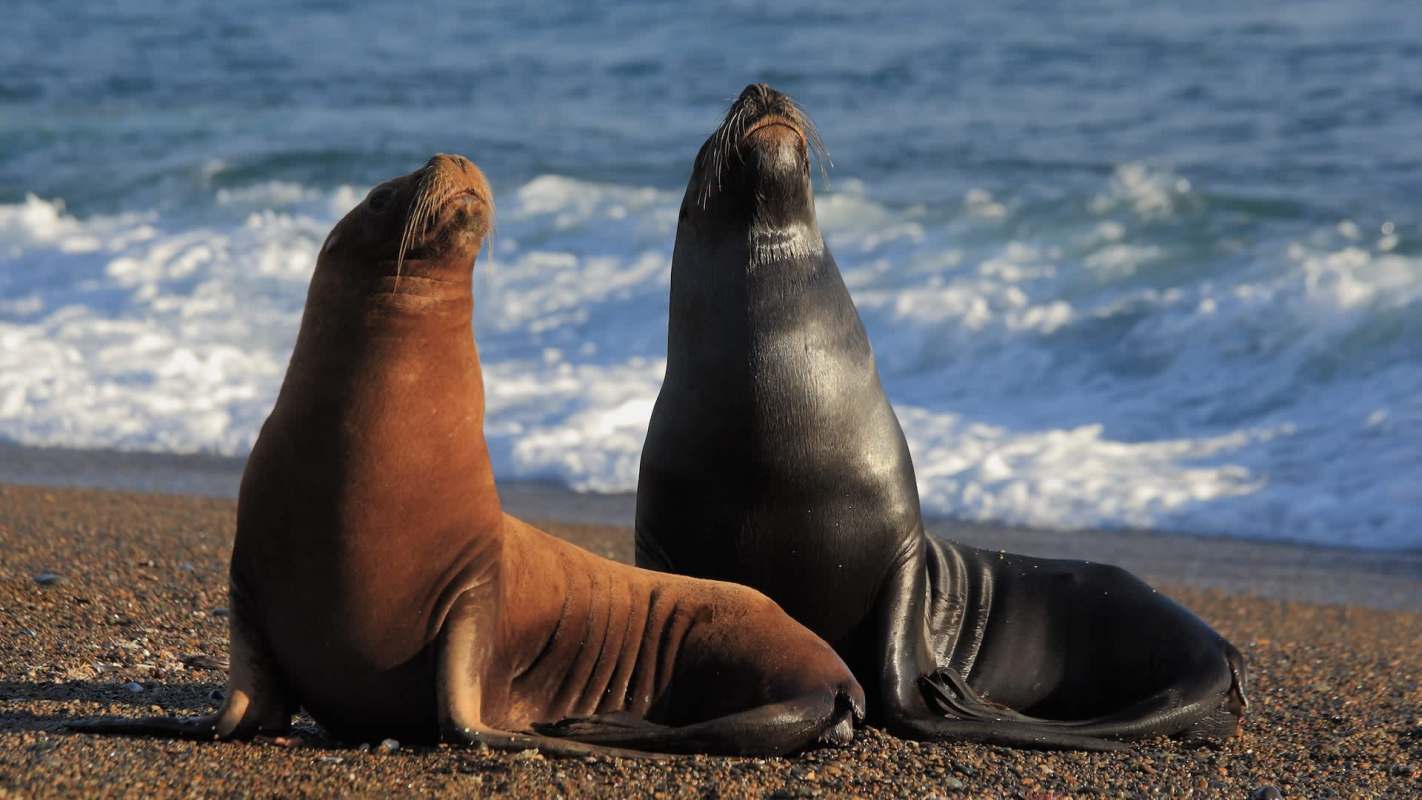
What began as a normal beach day at La Jolla Cove in San Diego quickly turned chaotic when two large sea lions lunged onto the sand, sending tourists running in different directions.
According to KFI AM 640, the disruption began when a visitor got too close while trying to photograph a sleeping sea lion.
What happened?
A group near the shoreline in San Diego was startled when sea lions emerged from the water and rushed toward them, as the outlet noted. No one was hurt, and the animals later went back into the ocean.
ABC News (@ABCNews) shared footage of the sea lions' charge on YouTube.
KFI AM 640 reported that the footage was taken by a visitor from Riverside County, who started recording after seeing another woman attempt a close-up photo of a sea lion resting on the beach.
After the animal woke up, it ran toward her, and the station said the commotion grew when a second sea lion moved toward other nearby tourists.
TCD Picks » Quince Spotlight
💡These best-sellers from Quince deliver affordable, sustainable luxury for all




Specialists noted that the animals were likely not intentionally "chasing" people, per KFI AM 640. Staff from SeaWorld San Diego and experts including Sierra Club Seal Society member Robyn Davidoff said the behavior was more likely tied to territorial instincts during mating season, when sea lions are especially active.
KFI AM 640 noted La Jolla Cove attracts many visitors who want to watch wildlife, but posted warnings do not always stop people from moving in too close for photos.
Why does it matter?
Wildlife encounters can become dangerous when people blur the line between observing animals and interfering with them. In this case, an attempt to take a close-up photo may have helped trigger a defensive response from an animal resting in its habitat.
Wild animals often react to perceived threats, crowding, or stress rather than attacking without cause. Close-up photos can quickly become risky for both humans and animals.
The incident reflects a growing tension in heavily visited outdoor spaces. More people want close encounters with nature, but wildlife can suffer when human curiosity overrides caution. Repeated disturbances can stress marine mammals, disrupt breeding behavior, and increase the likelihood of aggressive interactions.
Keeping a safe distance helps avoid injury and allows wild animals to remain wild.
What's being done?
Officials have already taken measures to reduce conflict in the area. KFI AM 640 reported that the San Diego City Council established seasonal closures at nearby Point La Jolla during pupping season, from May through October, to give the animals more room during a sensitive time.
Authorities and wildlife advocates are continuing to urge visitors to respect the habitat and follow posted guidance, the station said.
New signs are expected in the area to reinforce the need to keep a distance, particularly during mating and pupping seasons.
The La Jolla incident ended without injuries, but it showed how quickly a beach encounter can escalate when people get too close to wildlife and when these animals put the "lion" in sea lions.

Get TCD's free newsletters for easy tips, smart advice, and a chance to earn $5,000 toward home upgrades. To see more stories like this one, change your Google preferences here.