


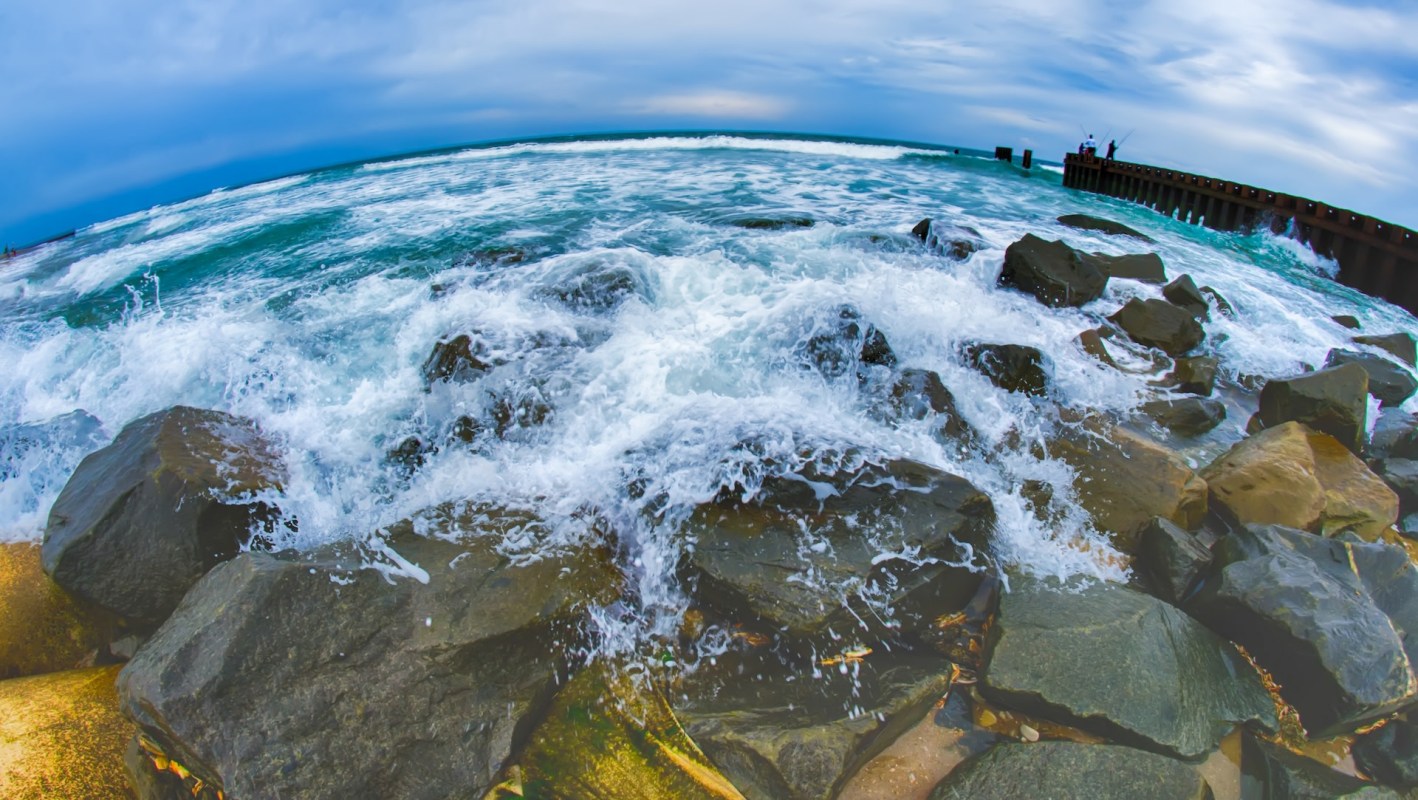
Satellite imagery reveals not only how much global sea levels are rising, but also that past predictions were surprisingly accurate.
Researchers are impressed by how decades of observations have become the world's most compelling evidence of changing climate conditions.
What's happening?
As Earth.com reported, scientific data demonstrates that sea-level rise varies widely from one region to another.
Scientists have confirmed that sea-level rise has been accelerating in recent years and doubled over the past three decades. This phenomenon is linked to melting glaciers, depleted groundwater supplies, and other environmental factors.
In the past, reports have often failed to adequately factor ice sheet behavior into sea-level changes. However, modern satellite monitoring has made it possible to assess these behaviors and understand how they may contribute to increased sea levels more than initially expected.
Tulane University professor Torbjörn Törnqvist has studied the importance of focusing on regional sea-level forecasts based on global patterns. He and his research team published their findings in the journal Earth's Future.
Why is sea-level rise concerning?
Research has confirmed that climate predictions made as early as the 1990s have been largely accurate. However, there are still concerning uncertainties.
For example, scientists are worried about how ice sheets and human-caused pollution will exacerbate sea-level issues and impact coastal communities.
"The ultimate test of climate projections is to compare them with what has played out since they were made, but this requires patience — it takes decades of observations," said Törnqvist.
However, these types of observations are necessary because they could help communities better prepare for natural disasters in the future. Certain coastal cities could become uninhabitable during our lifetimes, while others may experience new island formations due to flooding.
TCD Picks » Quince Spotlight
💡These best-sellers from Quince deliver affordable, sustainable luxury for all




|
How concerned are you about the plastic waste in our oceans? Click your choice to see results and speak your mind. |
 Extremely 😫
 What's being done to monitor sea-level rise?
Fortunately, many brilliant minds are working on climate-related predictions to prepare our communities for the years ahead.
Satellite technology is beneficial for monitoring and predicting environmental changes, as well as uncovering issues that require attention.
Yet there is a sense of urgency in taking action to prevent the rapid rise of sea levels due to the melting of ice sheets and glaciers, as well as warmer ocean temperatures.
As the general public gains a better understanding of these predictions, community leaders can begin to address the root causes of rising sea levels and focus on mitigating them.
When communities commit to reducing pollution and invest in clean energy, they work towards curbing sea-level rise caused by global overheating.
As an individual, you can help reduce planet-warming pollution in your area by making sustainable daily choices, such as using solar energy to power your home. Homeowners are finding solar installations more affordable than ever before, thanks to free resources like EnergySage's quote comparison tool.
You can also help spread awareness about critical climate issues, such as sea-level rise, by sharing what you learn from reputable sources.
When more people are aware of the global climate problems we face, they can set sustainable examples in their own lives and influence policies through advocacy at the local level.

Join our free newsletter for good news and useful tips, and don't miss this cool list of easy ways to help yourself while helping the planet.
Cool Picks






