


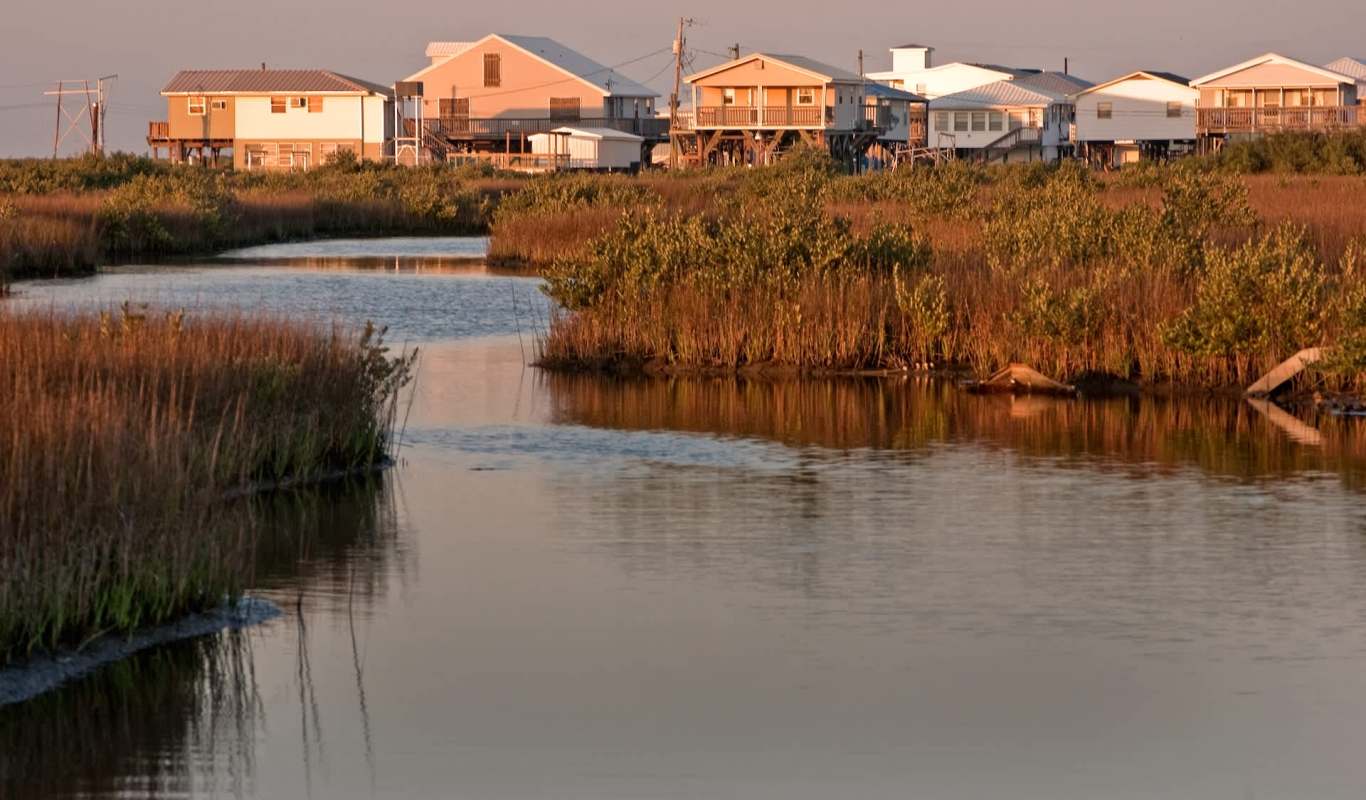
Sea Levels along the U.S. coastline are rising faster than they have in more than a century, and researchers say the trend shows no signs of slowing down.
A new study by sea level scientist Chris Piecuch of the Woods Hole Oceanographic Institution reveals what he calls a "dramatically different" phenomenon: a clear acceleration in coastal flooding that affects communities from Texas to North Carolina.
Piecuch told The Washington Post, "All the scientific evidence points to the fact we're going to continue to see an acceleration into the future."
What's happening?
Piecuch analyzed data from 70 tide gauges across the continental United States, some with records going back over 100 years. He found that the average rate of sea level rise has more than doubled over the past 125 years, from just under 2 millimeters per year in 1900 to over 4 millimeters per year in 2024.
The Gulf Coast has seen some of the fastest rises, while parts of the Pacific Coast and Alaska have experienced slower increases or even decreases in relative sea level due to things like glacial rebound.
This acceleration contradicts a recent Trump administration report that suggested U.S. tide gauges show no clear increase. Scientists have criticised that report for cherry-picking data and failing to account for long-term trends.
As Piecuch emphasized, "It's not politics. That's what the data say."
Why is this concerning?
Rising seas are more than a number on a gauge; they put people, homes, and infrastructure at risk. Coastal flooding is already more frequent, affecting roads, septic systems, wetlands, and insurance coverage.
Human activity, especially burning fossil fuels, warms the planet and causes oceans to expand, while melting ice sheets add more water.
This makes rising seas a long-term threat. They are occurring alongside warming oceans and shifts in their color, which reflect the broader impacts of a changing climate.
TCD Picks » Upway Spotlight
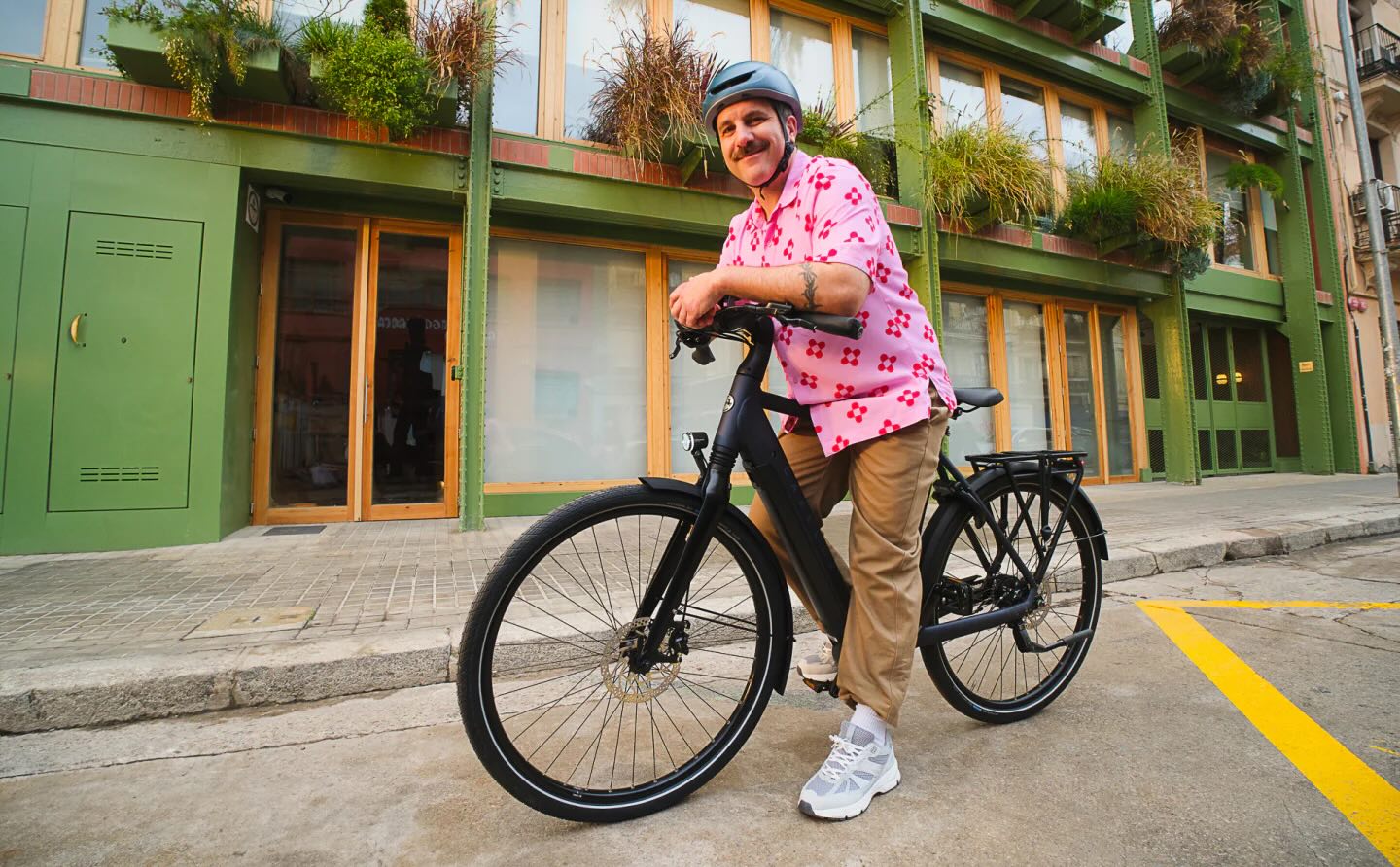
💡Upway makes it easy to find discounts of up to 60% on premium e-bike brands




|
How worried are you about rising ocean levels? Click your choice to see results and speak your mind. |
 Very 😰
 What's being done?
Documenting sea level rise helps communities prepare and adapt. Policies at local, state, and federal levels should focus on flood management, resilient infrastructure, and climate mitigation.
The Environmental Defense Fund and the Union of Concerned Scientists — along with other organizations — are actively working to translate scientific findings into actionable policy. Meanwhile, some cities are investing in projects like seawalls, wetland restoration, and updated building codes.
Reducing polluting gases globally remains the most crucial step to slow the acceleration of sea level rise over the coming decades.

Get TCD's free newsletters for easy tips to save more, waste less, and make smarter choices — and earn up to $5,000 toward clean upgrades in TCD's exclusive Rewards Club.
Cool Picks






