


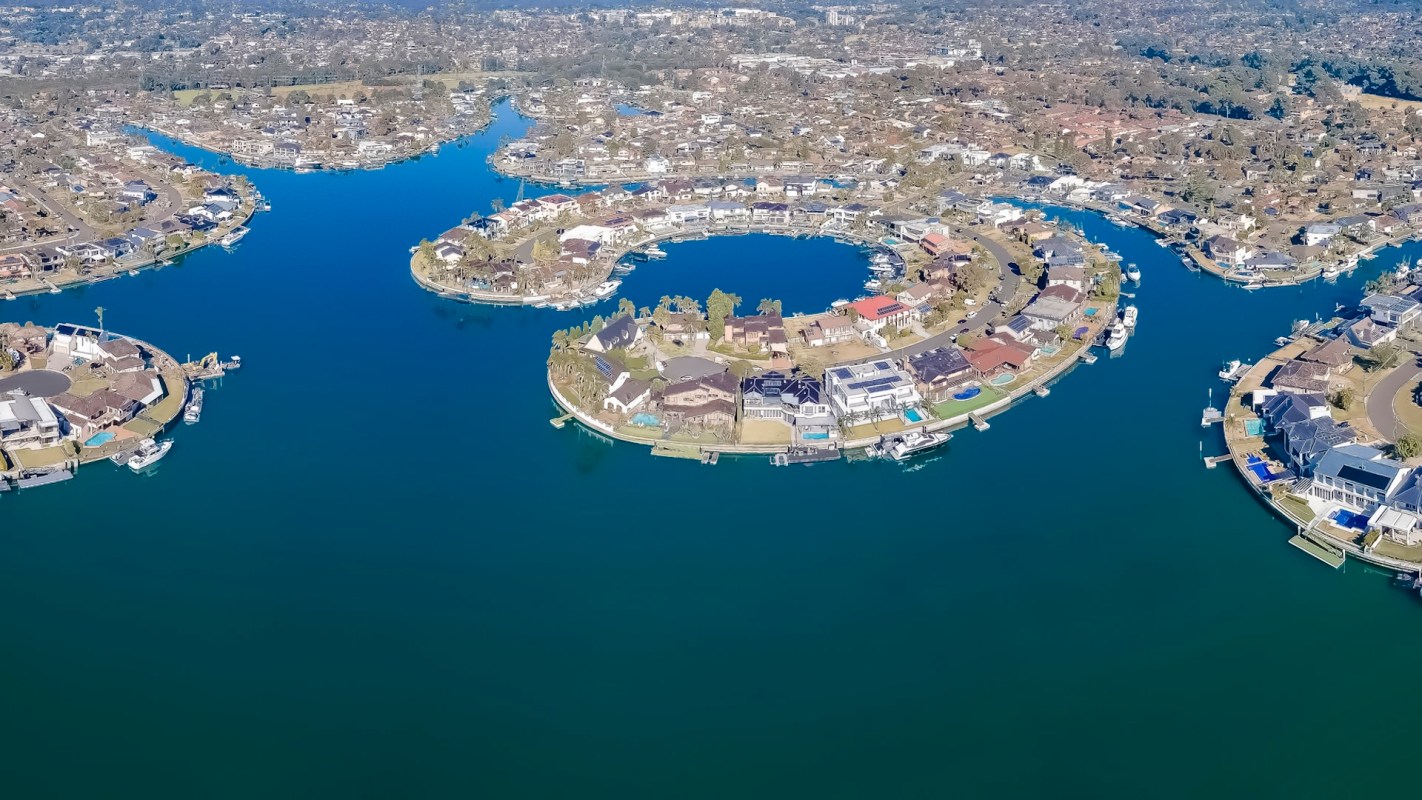
Rising sea levels have caused heightened concerns in coastal Australian cities, and people are worried the ocean may overtake their homes in only a matter of decades.
What's happening?
With the melting of ice sheets as a result of rising global temperatures, houses on the Australian Gold Coast are at risk of decreased property value and an increase in coastal erosion.
Climate Central has created a map that shows what areas of the planet are most at risk from flooding as a result of rising sea levels by decade.
As Realestate.com.au observed, some Australian coastal homes are "likely to be underwater as early as 2050."
Citing Royal Society data, Realestate.com.au also noted that, "Global sea levels have risen by approximately 3.6 millimeters per year over the past decade."
These issues, along with other weather-related risks identified by Climate Central, have created a real estate environment where homes in coastal areas are dropping in value because of long-term risks or are rendered essentially uninsurable by their locations alone.
Why are rising sea levels concerning?
What is happening in Australia is only a taste of a larger issue. As temperatures increase yearly, more coastal cities will see rapid environmental erosion and the loss of homes, businesses, and buildings alike.
People end up stuck in houses that are unsellable due to their location and the likelihood of them disappearing altogether. This, in turn, creates housing crises for those trying to move further inland to escape.
NASA has drawn a connection between human actions and the rise in sea levels that occurs over time. It said human-caused pollution is the only reason "for the observed warming over the last century that is driving the observed sea-level rise."
As humans continue to use dirty energy resources — such as burning coal, gas, and oil — the pollution that they produce heats the planet. As a result, melting ice sheets push water levels higher, causing crises like the one coastal Australians are facing.
TCD Picks » Quince Spotlight
💡These best-sellers from Quince deliver affordable, sustainable luxury for all




|
Do you think your house could withstand a hurricane? Click your choice to see results and speak your mind. |
 No way 😨
 What can be done about rising sea levels?
As Realestate.com.au noted, Danny O'Brien, The Nationals Member for Gippsland South, has backed a petition by affected landowners to regulate areas of concern for decreased property value.
He stated, "It is disappointing for both landowners and our local governments, who are doing their best to navigate the minefield this change has created."
While local lawmakers and community gatherings have made an effort to support those dealing with this crisis, engineers have proposed several solutions to mitigate the issue.
Colonial Construction Materials said that "[t]here are many solutions to combat coastal erosion and sea level rise. Some coastal protection systems are structural and manmade, while others focus on strengthening the natural beach environment."
In one such example, a team of scientists at Northwestern University has sent minor electric currents out into the sand along coastal areas, solidifying it into something much more stable — almost like cement — to prevent erosion.
Meanwhile, reducing the pollution that contributes to rising global temperatures, ice-sheet melting, and sea-level rise is essential.
Whether it's a big change like swapping a gas-guzzling car for an electric vehicle or a smaller one like eating more plant-based foods, positive, climate-friendly actions can quickly add up.

Join our free newsletter for good news and useful tips, and don't miss this cool list of easy ways to help yourself while helping the planet.
Cool Picks






