


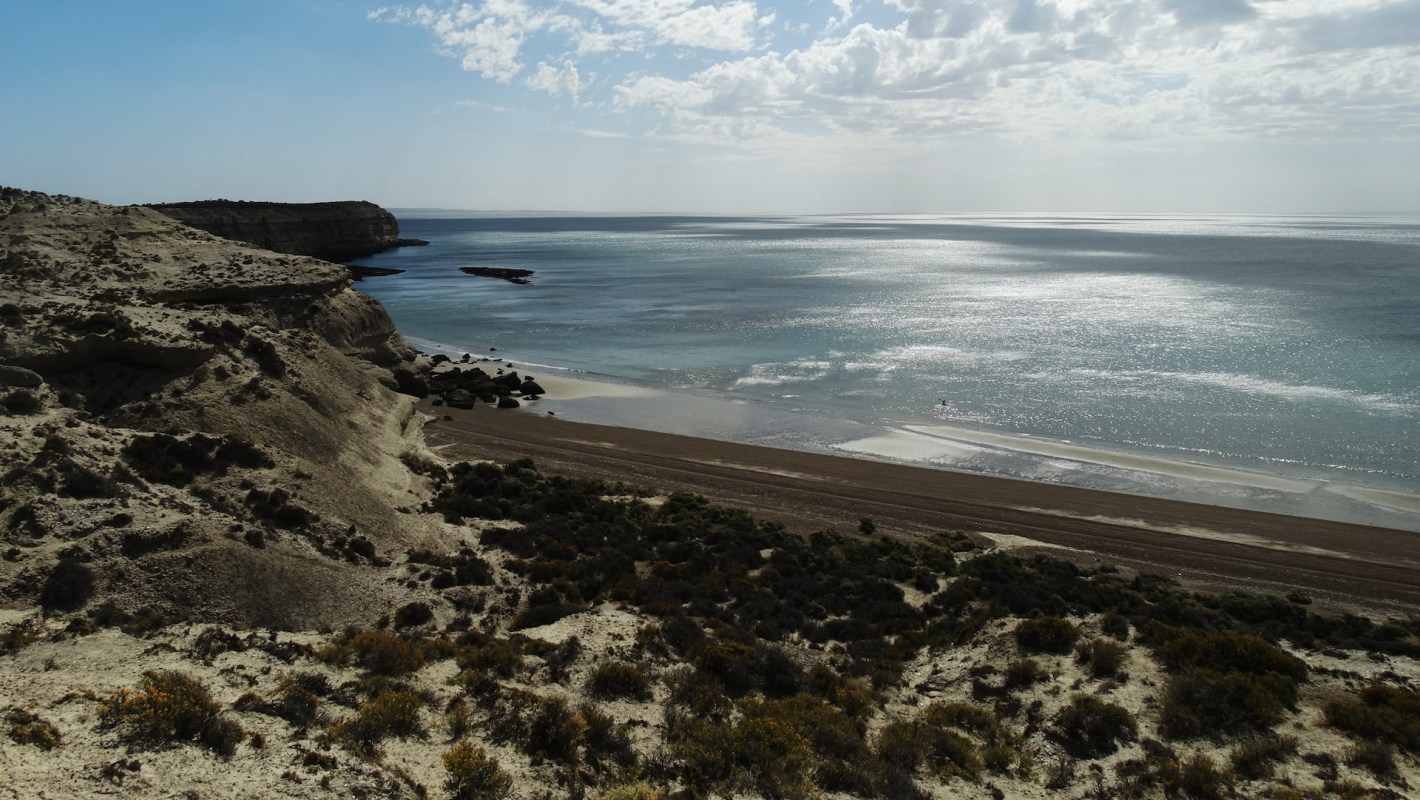
Environmental advocates in Argentina are pushing back after officials quietly changed a law, allowing a pair of controversial oil and gas ports to be built on a vital, biodiverse gulf.
What's happening?
As Mongabay reported in mid-August, the port is set to be built in Punta Colorada, a village on the San Matias Gulf and the end point of the Vaca Muerta Sur pipeline. Surrounded by national parks and protected natural areas, the gulf is also home to the Valdes Peninsula, a UNESCO World Heritage Site.
The 272-mile-long Vaca Muerta Sur pipeline will transport oil fracked from a plateau in western Argentina to offshore filling tanks for passing ships. Critics fear the port and pipeline will introduce oil spills in a region known for its striking biodiversity.
The gulf is home to whales, seals, penguins, sea lions, sharks, rays, dolphins, and many other types of marine life, according to Mongabay.
"We all need energy to live our lives, but the location chosen for these works could not be worse," Roxana Schteinbarg of the Whale Conservation Institute told the environmental news outlet. "The San Matias Gulf is too important for the health of our sea to be turned into a sacrifice zone."
Nearby, a second port is also being planned. This one is meant to transport gas to a ship that will process, store, and move liquefied natural gas exports.
TCD Picks » Quince Spotlight
💡These best-sellers from Quince deliver affordable, sustainable luxury for all




A 1999 law had previously banned all hydrocarbon projects within the treasured gulf. But the government of Argentina amended the law in 2022 — critics say it was done without conducting any hearings or even informing the public.
Why are fuel ports and pipelines concerning?
Fossil fuel proponents tout these ports and pipelines as necessities to tap into energy reserves around the globe. But this infrastructure comes with considerable environmental concerns.
Pipelines are notorious for cracking and leaking into surrounding water and soil. Data shows that, over a 20-year period starting in 2004, the United States saw nearly 1,200 "significant" oil spills from pipelines. Those spills leaked roughly 750,000 barrels' worth of oil — or more than 31 million gallons — into the environment.
These spills can be devastating for the regions in which they occur. In Nigeria, for example, a pair of spills within two months resulted in fish and plants dying and the community losing access to clean water. And a Mexican oil company faced massive backlash after failing to report a pipeline leak for four days, forcing beaches to be closed and tourism to shut down over a holiday weekend.
|
Do you think fracking should be illegal in America? Click your choice to see results and speak your mind. |
 Yes — everywhere 👏
 In the case of the San Matias Gulf, Argentine researcher and activist Hernán Pérez Orsi told Mongabay that the ship intended for use alongside the gas port will also use ocean water for cooling and then dump hot ocean water back into the gulf, with the potential to alter the ecosystem.
Increased ship traffic — and the threats it can bring to wildlife and the environment — is another concern when it comes to building new ports. And while some may argue that new fossil fuel infrastructure is crucial to the economy, threats to eco tourism and to delicate ecosystems can also have significant financial impacts.
What's being done?
Environmental advocates filed a lawsuit, challenging how the law was changed to allow for such projects, but it was thrown out.
However, there have been two public hearings about the ports, which advocates say prove there is considerable pressure mounting that could alter the course of the projects before the pipeline is operational in 2026 and the oil port and gas ship are operational in 2027.
"It is impossible to think that activities of this kind will not have a significant impact on the gulf's ecosystem," Valeria Falabella of the World Conservation Society told Mongabay.

Join our free newsletter for good news and useful tips, and don't miss this cool list of easy ways to help yourself while helping the planet.







