


If the makers of the 2023 film Cocaine Bear are eyeing a sequel, they might not have to wait all that long.
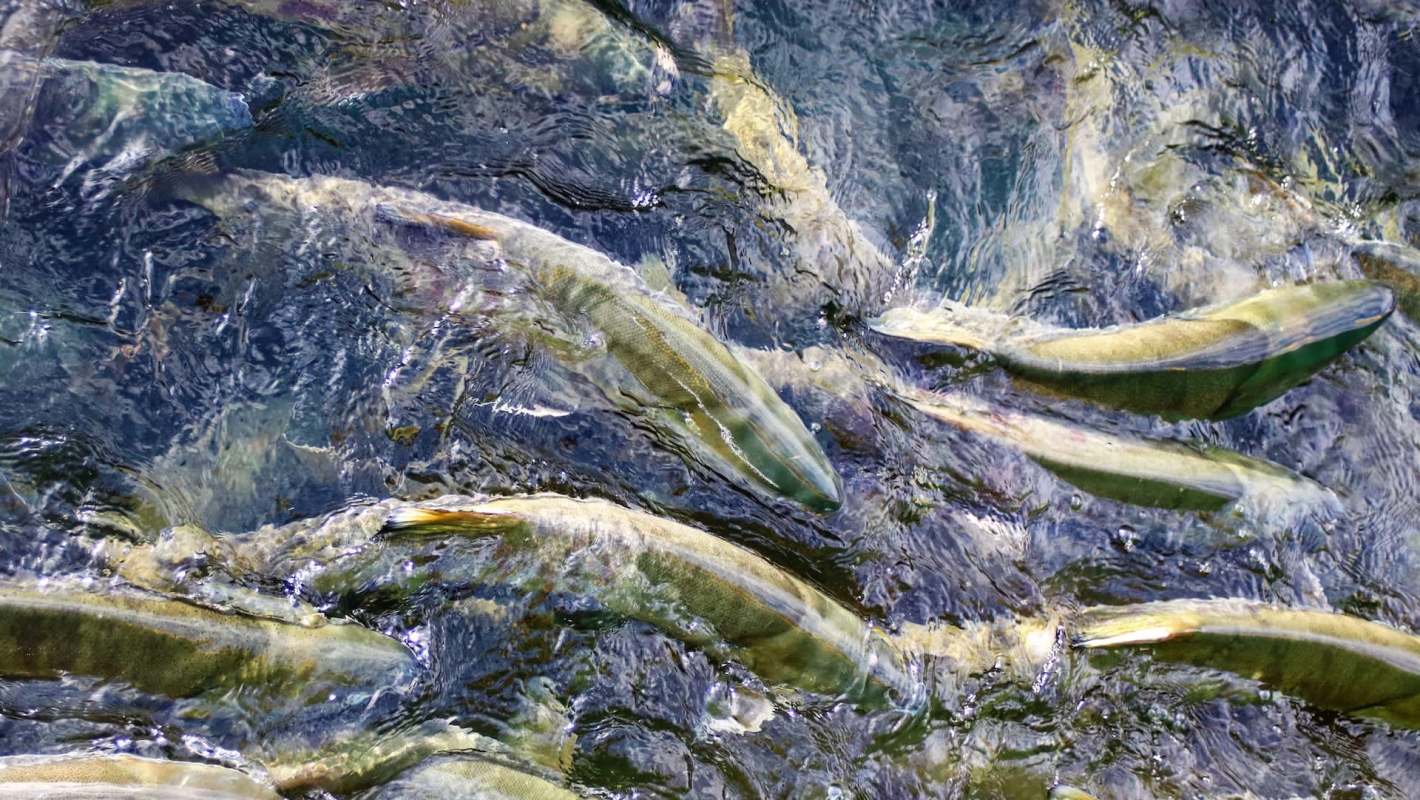
As The New York Times reported, a team of researchers gave Swedish salmon a dose of cocaine to test the impacts of the drug on fish.
The rationale for the study is that waterways are increasingly contaminated with illicit substances, such as cocaine, but the effects have never been studied outside of a lab setting.
The research, published in the journal Current Biology, examined the impacts of dosing both the raw form of the drug and its breakdown product, benzoylecgonine. The dosages were intended to replicate the levels salmon would be exposed to in a real-life scenario.
The researchers released a number of 2-year-old fish into a Swedish lake outfitted with tracking tags to watch them over eight weeks. Some got capsules of the substances, while others were left alone.
It might not surprise you, but the doped-up fish traveled more than their counterparts. The fish on benzoylecgonine, though, were the revelation of the study.
TCD Picks » Quince Spotlight
💡These best-sellers from Quince deliver affordable, sustainable luxury for all




They swam almost eight miles farther from the release site and covered twice as much distance as the unexposed salmon, and they outswam the salmon on cocaine.
"Our results suggest that risk assessments focusing only on cocaine may underestimate the ecological effects of its breakdown products," Tomas Brodin, a co-author of the study, told the Times.
The study reinforced that humans' consumption of prescription and illicit drugs is having an impact on fish. Previous research has shown that anti-anxiety drugs spilling into waterways can make fish less fearful and more vulnerable to predators.
Experts like James Meador, an environmental toxicologist, are wary that cocaine and its byproducts aren't good for salmon.
"The rule of thumb in our business is that any alterations to physiology or behavior in fishes should be considered adverse," Meador, who wasn't involved in the study, told the publication.
There are efforts to equip wastewater facilities with tech to siphon out substances like these drugs. One of the study's authors, Jack Brand, is optimistic it may eventually shield wildlife.
"People don't have a good appreciation for the potential effects they can have," he concluded.

Get TCD's free newsletters for easy tips, smart advice, and a chance to earn $5,000 toward home upgrades. To see more stories like this one, change your Google preferences here.







