


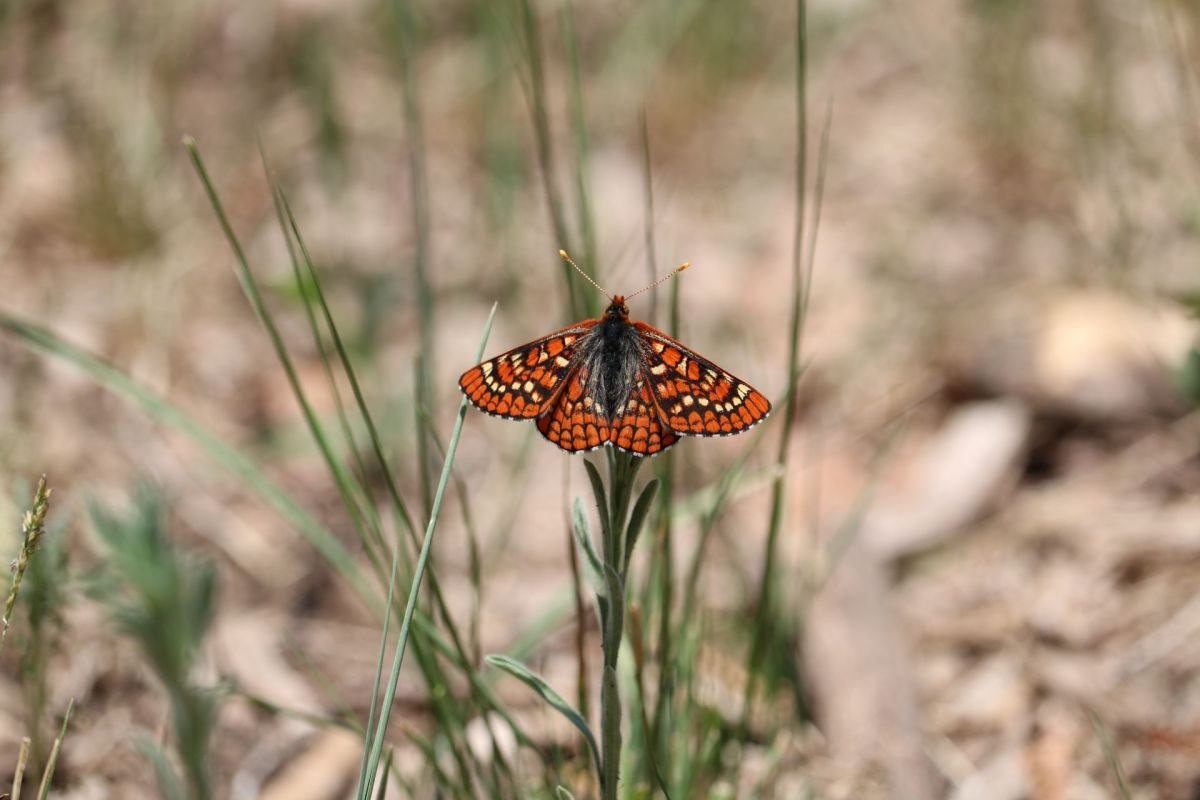
The last known Sacramento Mountains checkerspot caterpillar in human care has died, dimming hopes for the species.
According to the New York Times, scientists at the ABQ BioPark in Albuquerque announced that the final known captive caterpillar of the critically endangered Sacramento Mountains checkerspot was declared dead on May 5 after it failed to emerge from hibernation.
"It wasn't a surprise," said invertebrate species survival specialist Dr. Quin Baine, per The New York Times. "It was just unfortunate."
The insect had already outlived expectations. Born at the BioPark in 2022 from four wild-caught butterflies, it remained a caterpillar for three years — longer than caretakers expected.
It was the only survivor from a group of more than 160 caterpillars produced in that effort.
The butterfly subspecies exists only in New Mexico's Sacramento Mountains and has not been seen in the wild since 2022, though researchers believe it may still persist there.
TCD Picks » Quince Spotlight
💡These best-sellers from Quince deliver affordable, sustainable luxury for all




Federal wildlife officials have linked its decline to rising global temperatures, shifting wildfire patterns, excessive grazing, invasive plants, and recreation pressure.
Butterflies play important roles in food webs and plant reproduction, and their decline can signal broader trouble in landscapes that people depend on as well.
Healthy mountain habitats support biodiversity, water systems, tourism, and outdoor recreation valued by nearby communities.
When species disappear, those systems become less resilient.
A major study last year found that the United States lost 22% of its butterflies over the past 20 years.
High-elevation wildlife faces an added threat. Rising temperatures can push species uphill into shrinking pockets of suitable habitat.
"It's called the elevator to extinction," Dr. Quin Baine said. "Moving up and up and up the slope until there's nowhere else to go."
The Sacramento Mountains checkerspot may still survive in the wild, and survey teams are planning another search this year.
Butterflies in the region are emerging earlier, and scientists moved their search timeline up by two weeks.
The caterpillar's body will be preserved at the Museum of Southwestern Biology, part of the University of New Mexico, for possible genomic research that could help scientists better understand the butterfly and closely related subspecies in the southern Rockies.
The Center for Biological Diversity sought federal protection for the insect in 1999, but it was not listed as endangered until 2023.
"This checkerspot's legacy is that it's a canary in the coal mine," Baine said, and, despite the setback, "I think there's a chance."

Get TCD's free newsletters for easy tips, smart advice, and a chance to earn $5,000 toward home upgrades. To see more stories like this one, change your Google preferences here.







