


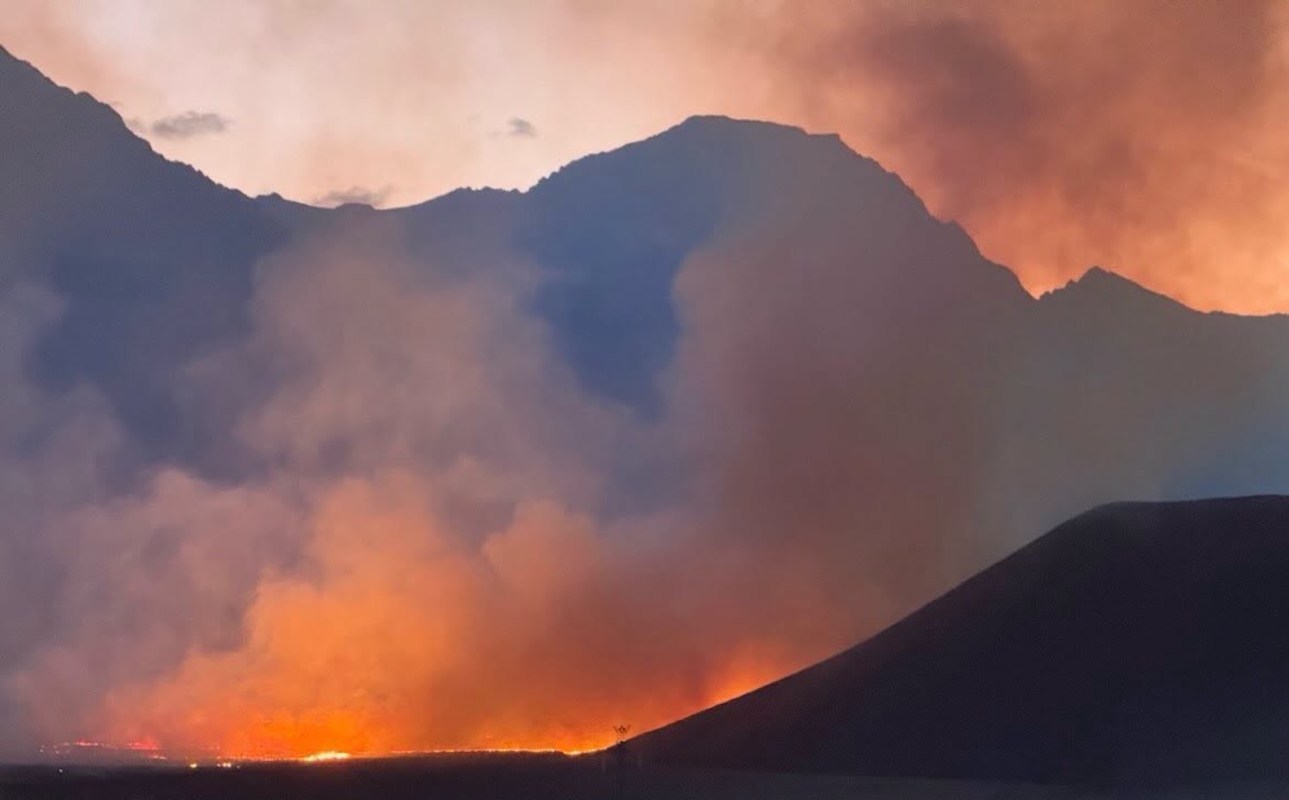
California firefighters held the line overnight on two Inyo County wildfires, preventing both the Rock Fire and the Cinder Complex from growing even as dry air and gusty winds remain in the forecast, Sierra Wave reported.
Both fires are still large enough to threaten roads, air quality, and nearby communities as crews continue working to improve containment.
What happened?
As of the U.S. Forest Service's morning update, the Rock Fire stood at 12,008 acres with 45% containment, while the Cinder Complex had burned 2,722 acres and was 25% contained, according to Sierra Wave.
The morning update said the Rock Fire started July 20 near Black Rock Springs Road and Highway 395 in the Poverty Hills of Inyo County.
It said the Cinder Complex began July 24 near the Tinnemaha Road and Taboose Creek Road area north of Aberdeen.
According to the U.S. Forest Service, both fires held at the same size overnight.
TCD Picks » Quince Spotlight
💡These best-sellers from Quince deliver affordable, sustainable luxury for all




On the Rock Fire, officials reported "very little smoke visible" across the area, though hot spots were still active in Armstrong Canyon on the northwest side.
The agency said heat was still present along the Cinder Complex's outer edge.
Overnight, personnel in engines and on the ground worked the edges of both fires, cooling hot spots so flare-ups would be less likely to spread.
In Sunday's forecast, the U.S. Forest Service said south winds are expected into Monday, with gusts up to 15 mph and humidity continuing to drop.
Officials also said no thunderstorm activity is expected through Monday, removing one possible source of unpredictable fire behavior.
Why does it matter?
Large fires can reignite in lingering hot spots, send smoke into populated areas, and force emergency managers to maintain evacuation warnings, road closures, and firefighting resources for days or even weeks.
Worsening extreme weather events can endanger people immediately and over time. Wildfires can cause chronic health issues tied to smoke exposure, disrupt community safety through evacuations and closures, and strain local economic stability.
The Rock Fire now covers more than 12,000 acres, while the Cinder Complex is still relatively new, meaning firefighters are working to secure lines before wind and dry conditions allow either blaze to make another run.
Even without dramatic overnight growth, gusty winds and low humidity can quickly turn lingering heat into a renewed threat.
What's being done?
For now, the U.S. Forest Service said the priority is strengthening containment around both fires while clean-up work continues.
That means crews are not only working to stop active flames along the perimeter but also searching for and extinguishing residual heat that could spark new movement.
Overnight patrols are a major part of that strategy. By monitoring the fire edges after dark and cooling hot spots, crews can reduce the risk that small flare-ups will turn into major runs once daytime temperatures rise and humidity drops.
According to the U.S. Forest Service, Inyo County officials told the public to use Ready Inyo for updates on road closures, shelter locations, and evacuations tied to both fires.

Get TCD's free newsletters for easy tips, smart advice, and a chance to earn $5,000 toward home upgrades. To see more stories like this one, change your Google preferences here.







