


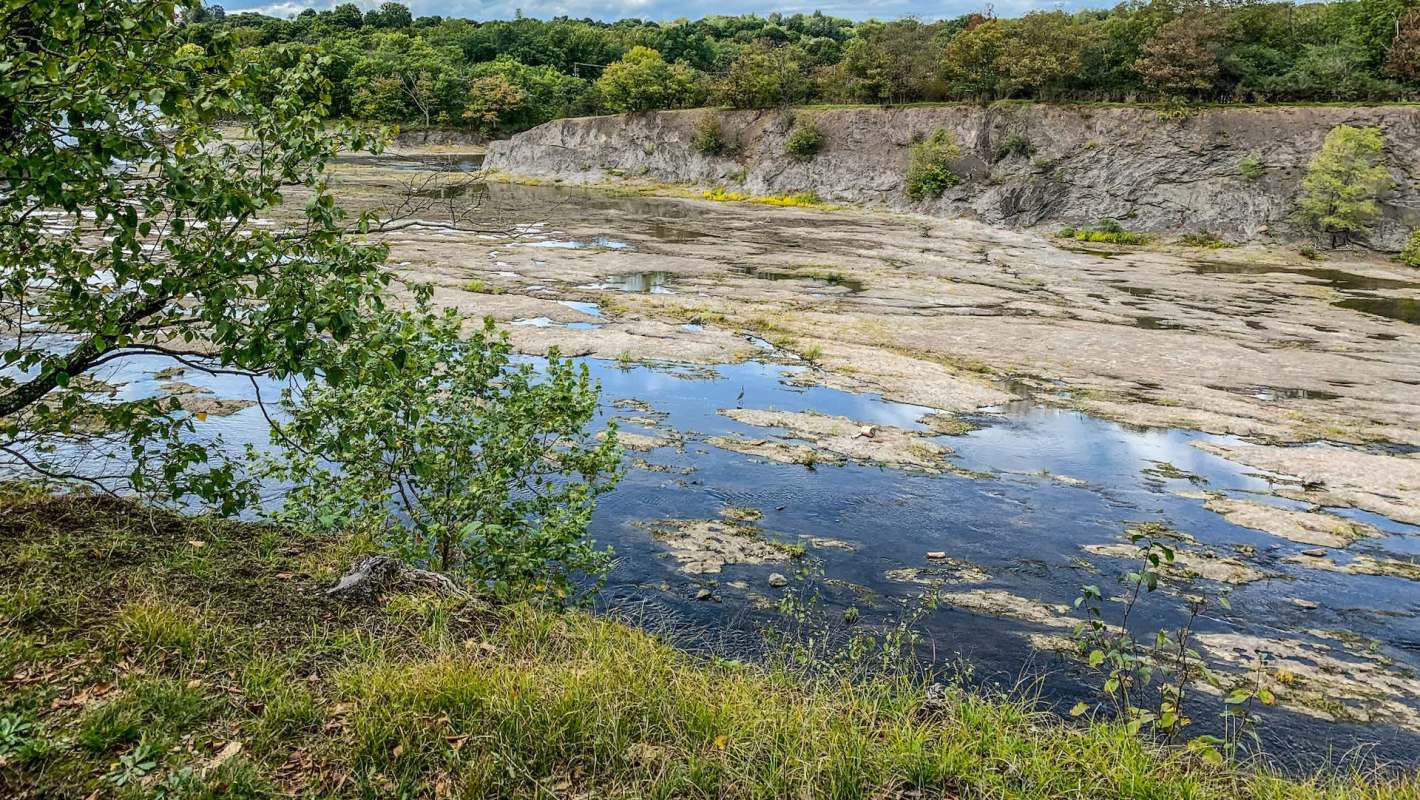
New York State enacted a statewide burn ban from Oct. 2 to 16 in response to high levels of drought upstate.
According to Syracuse.com, Rochester only saw 3.81 inches of rain between July and September. That's even worse than the drought of 1887.
On Oct. 2, the U.S. Drought Monitor's weekly report "placed the Rochester area in the severe drought category. That's the third of five levels of drought," per Syracuse.com.
What's happening?
Rochester isn't the only upstate area facing a drought. Buffalo is also in the fourth drought category, the driest the city has seen since 1935. The snow melt and rainfall are 10 inches below normal levels.
Most of the upstate cities are under a drought warning.
Why are Upstate New York droughts concerning?
According to the drought monitor, "In a severe drought, groundwater level declines, irrigation ponds dry up, trees are stressed and more susceptible to insect pests, and fire danger increases," Syracuse.com reported.
While droughts and other extreme weather events like hurricanes were always going to happen, rising temperatures have intensified them.
Additionally, researchers in Madagascar now have enough data that shows the rising temperatures were directly linked to the drought conditions in the country in 2024. They looked at data for several years, including back to the 1980s.
What's being done about droughts?
Dirty energy sources are causing the polluting gases that are warming the planet, so the best way to protect against droughts and other extreme weather events intensifying is to lessen society's reliance on these dirty energy sources.
One way to do that is to install solar panels, and comparing quotes with EnergySage's free online marketplace is a great starting point. It can even help you save up to $10,000 on installation.
TCD Picks » Upway Spotlight
💡Upway makes it easy to find discounts of up to 60% on premium e-bike brands





Not only can solar panels cut down on the toxic gases, but they can even help you save about $3,000 per year on your energy bills.
|
Do you think homeowners should be able to use as much water as they want? Click your choice to see results and speak your mind. |
 No way 👎
Join our free newsletter for good news and useful tips, and don't miss this cool list of easy ways to help yourself while helping the planet.
Cool Picks






