


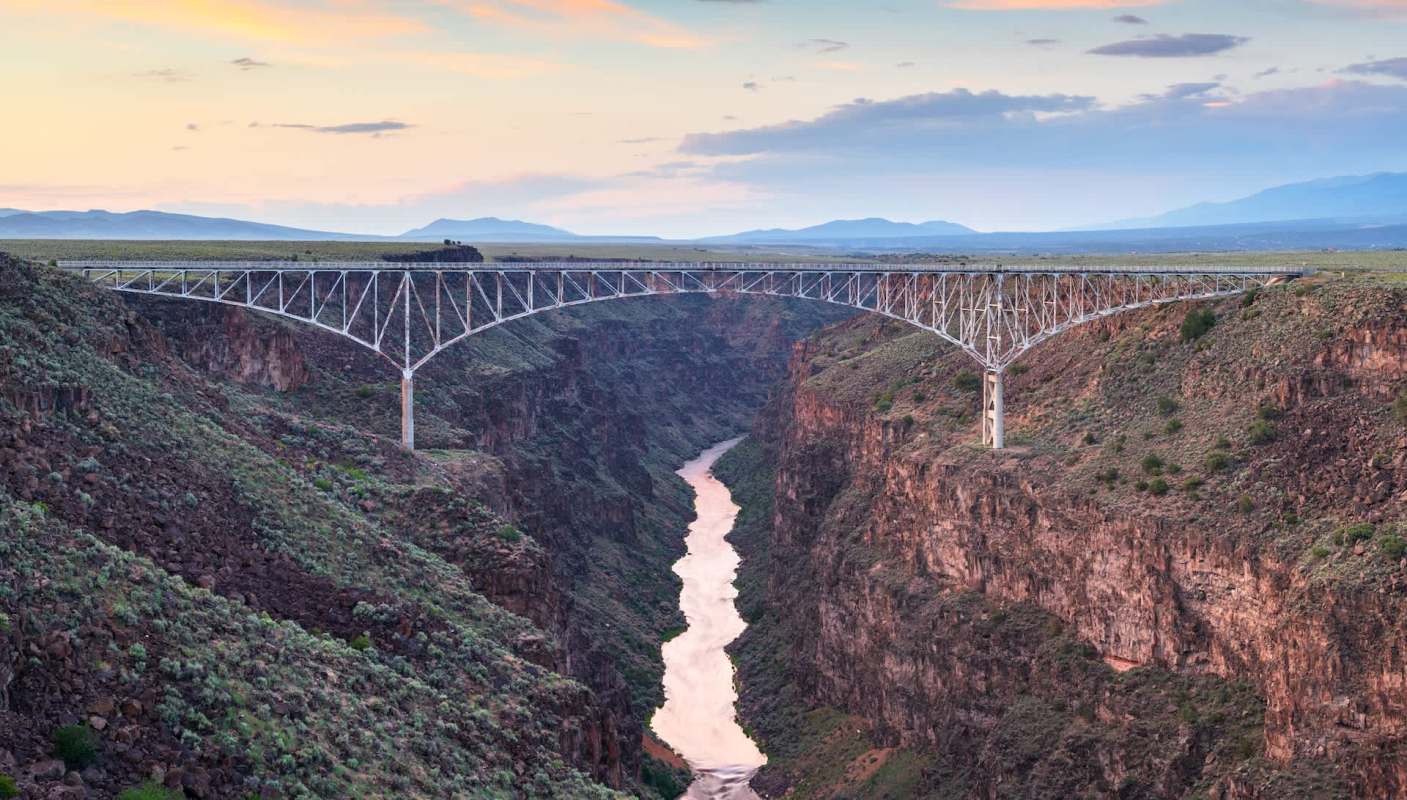
The Rio Grande Basin is experiencing pronounced aridification, with a trend toward persistently warmer, drier conditions.
These conditions now mark a "new normal" for the region and exemplify a broader pattern among bodies of water worldwide.
What's happening?
As the Alamosa Citizen reported, the Rio Grande Basin experienced atypical weather patterns in 2025, characterized by prolonged warm, dry periods followed by late-season heavy rains.
This region in the San Luis Valley of southern Colorado has been seeing record-warm months, a lack of snow, and inconsistent rainfall. These patterns are concerning to local meteorologists and climate experts.
"Unfortunately, the outlook for the next couple weeks (and maybe beyond) does not look good — very warm and dry," said Russ Schumacher from the Colorado Climate Center at CSU-Fort Collins.
Why are changing weather patterns concerning?
Extreme weather events, such as overly warm temperatures and drastically reduced precipitation, are concerning because lakes and rivers are warming as well.
Warmer waters impact fish habitats and affect water quality. Without stable water flows, human water supplies and agriculture are also impacted.
Meanwhile, there are economic and cultural impacts of warming trends, especially on local fishing, recreation, and tourism industries that depend on healthy rivers with good water quality.
These are significant factors in places such as the San Luis Valley of Colorado because water isn't only an economic resource but also a central component of local lifestyles and traditions.
What's being done about warming trends worldwide?
Weather and water assessments, such as this one on the Rio Grande Basin, help us understand weather patterns and their implications.
TCD Picks » Upway Spotlight
💡Upway makes it easy to find discounts of up to 60% on premium e-bike brands





|
How worried are you about rising ocean levels? Click your choice to see results and speak your mind. |
 Very 😰
 Affected communities and wildlife must begin to adapt to these conditions and plan for a more sustainable future.
Possible solutions may include water restoration systems, improved water management, enhanced hydrological monitoring, and pollution-reduction efforts.
You can begin to build your own personal resilience against changing climate conditions by taking energy-efficiency steps in daily life.
For example, installing solar panels on your home can help you reduce monthly utility bills and make your property more energy resilient when intense storms occur.
TCD's Solar Explorer can help you get started with making the switch to cleaner, renewable solar energy. The Solar Explorer can connect you with trusted partners like EnergySage to save thousands of dollars on a new solar installation.
You can also help others become more aware of climate-related risks and preparedness by sharing news stories like this one. With a better understanding of critical climate issues, we can move forward toward sustainable solutions and a cleaner, greener planet.

Get TCD's free newsletters for easy tips to save more, waste less, and make smarter choices — and earn up to $5,000 toward clean upgrades in TCD's exclusive Rewards Club.
Cool Picks






