


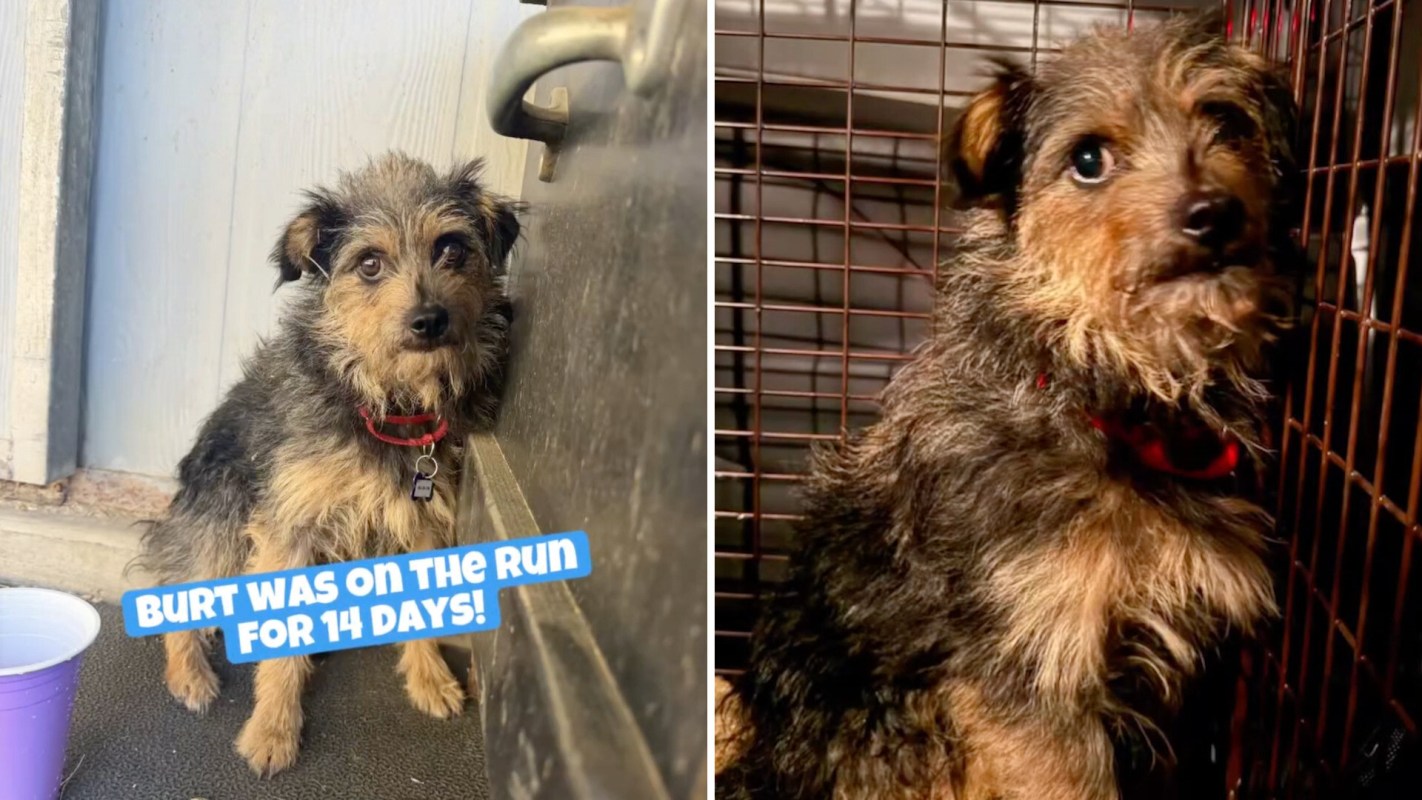
Burt, a 9-pound rescue dog, spent two weeks alone in the Southern California wild, surviving traffic, coyotes, and even a mountain lion before he finally made it back home.
What happened?
Before this disappearance, Burt, a tiny Yorkie mix, had already been through a lot. Kim Sill, founder of Shelter Hope and a leader of a nonprofit experienced in finding homes for stray animals, explained, "So about three months ago, Burt was caught up in the orchards in the south Bakersfield area."
Shelter Hope thought Burt was ready to move into a foster home, but the plan fell apart almost immediately. According to KTLA, he got loose after the foster lost hold of the leash.
The effort to find him soon spread across Thousand Oaks. Sill's team put up flyers and worked through thousands of tips from a 10-mile area, all while some people worried Burt may have been hit by a car. Even when he was spotted, he still slipped away again.
Dog Days Search and Rescue later became part of the operation. Volunteers placed cages stocked with water and cameras. For roughly a week, that equipment recorded the conditions Burt was surviving in outside before rescuers were able to get him to safety, including encounters with busy roads, coyotes, and even a mountain lion.
Why does it matter?
A 9-pound dog loose near roads and predators faces extreme danger. Surviving alone for two weeks would be nearly impossible.
TCD Picks » Quince Spotlight
💡These best-sellers from Quince deliver affordable, sustainable luxury for all




A routine transition can quickly turn dangerous for rescue animals. Even when a dog appears ready for a foster home, fear and unfamiliar surroundings can trigger a flight response, making the animal much harder to catch than many people realize.
Lost dogs do not always react the way people expect. Chasing a frightened dog can push it farther away and into traffic, rough terrain, or wildlife habitat.
Coordinated rescue work can mean the difference between heartbreak and a safe return. Flyers, tip lines, cameras, food and water stations, and experienced search teams all played a role in Burt's return.
What's being done?
In Burt's case, the biggest breakthrough came from sticking to a strategy rather than relying on luck. Volunteers kept watch, followed reported sightings, and used cameras and humane traps to study Burt's movements without heightening his fear.
Scared dogs often remain in survival mode. Rather than running toward people, they may keep moving, especially after near-misses or stressful encounters. Setting up safe stations with water and monitoring equipment can help rescuers identify patterns and step in more effectively.
Sill also offered advice for other families whose dogs go missing: Contact professionals as soon as possible and include guidance on flyers so well-meaning strangers do not make the situation worse.
"They get calls like this every day, and not always ending this way," Sill said.

Get TCD's free newsletters for easy tips, smart advice, and a chance to earn $5,000 toward home upgrades. To see more stories like this one, change your Google preferences here.







