


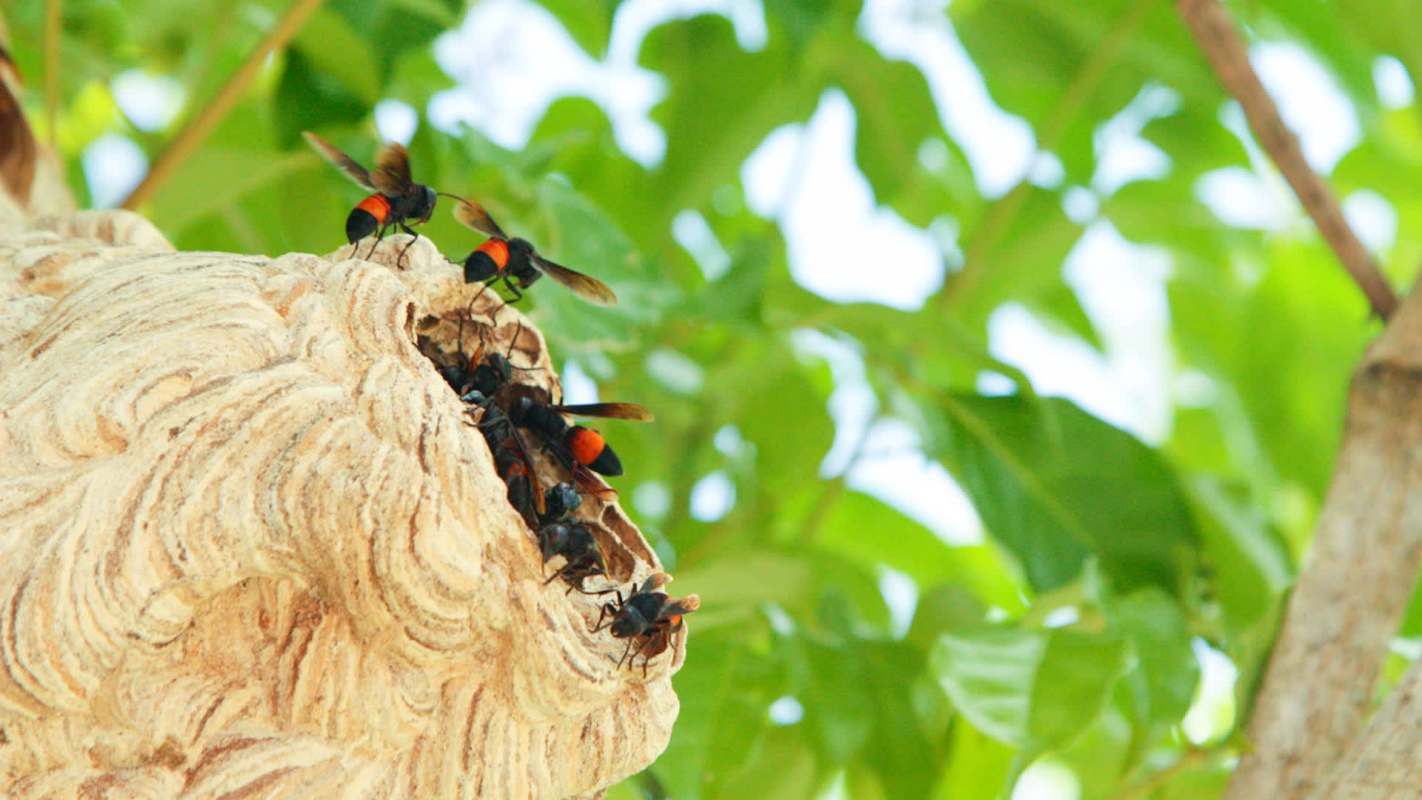
Georgia agriculture officials want people in several coastal counties to keep an eye out for a small but serious concern: yellow-legged hornet nests in their earliest stages.
Finding and removing them while they are still small may help limit harm to pollinators, aid beekeepers, and protect farms that depend on both.
What's happening?
Residents of Bryan, Bulloch, Chatham, Effingham, and Liberty counties are being asked by Georgia Agriculture Commissioner Tyler J. Harper to report signs of yellow-legged hornets, with a particular focus on embryo and primary nests.
According to CBS News, state agriculture officials say timing matters because an overlooked primary nest can eventually lead to a much larger secondary nest.
Secondary nests can hold thousands of hornets as well as multiple reproductive queens, making it more likely that additional colonies will form.
The Georgia Department of Agriculture says these early nests are often found above ground in places such as trees, shrubs, eaves, and other elevated areas near homes, businesses, and woods.
TCD Picks » Quince Spotlight
💡These best-sellers from Quince deliver affordable, sustainable luxury for all




Officials also want residents to watch for "hawking activity" near beehives, especially before noon and after 5 p.m.
Harper said the state's work depends in part on residents continuing to report what they see.
"Georgia has made significant progress in our effort to eradicate the yellow-legged hornet, but public participation remains critical to our success," he said.
Why does it matter?
Officials consider yellow-legged hornets a serious danger to honeybees and other pollinators, which are essential to crop production and healthy ecosystems.
Agriculture plays a central role in Georgia's economy, providing jobs, food, and stability in local communities. If pollinators face growing pressure, the impact can reach growers, beekeepers, and consumers through reduced harvests, rising costs, and more stress on food systems that are already vulnerable.
A larger hornet population could increase damage to the pollinators that help produce fruits, vegetables, nuts, and other everyday crops.
What can I do?
State officials say residents should report unusual hornet activity or suspicious nests rather than dismissing them, because early action could keep a limited issue from becoming far more serious.
Anyone who believes they have found a yellow-legged hornet or one of its nests can contact the Georgia Department of Agriculture's Plant Protection Division at yellow.legged.hornet@agr.georgia.gov for help with identification and removal guidance. Identification and reporting information is also available at agr.georgia.gov/yellow-legged-hornet.
Officials are urging people to check elevated areas for embryo and primary nests and to note hornets hovering near beehives. Reports of that activity can help trained responders intervene before secondary nests take hold.
"Every embryo or primary nest reported and removed today helps prevent larger infestations tomorrow," Harper said. "We need Georgians to stay alert and report suspected nests to help protect our pollinators and Georgia's number one industry — agriculture."

Get TCD's free newsletters for easy tips, smart advice, and a chance to earn $5,000 toward home upgrades. To see more stories like this one, change your Google preferences here.







