


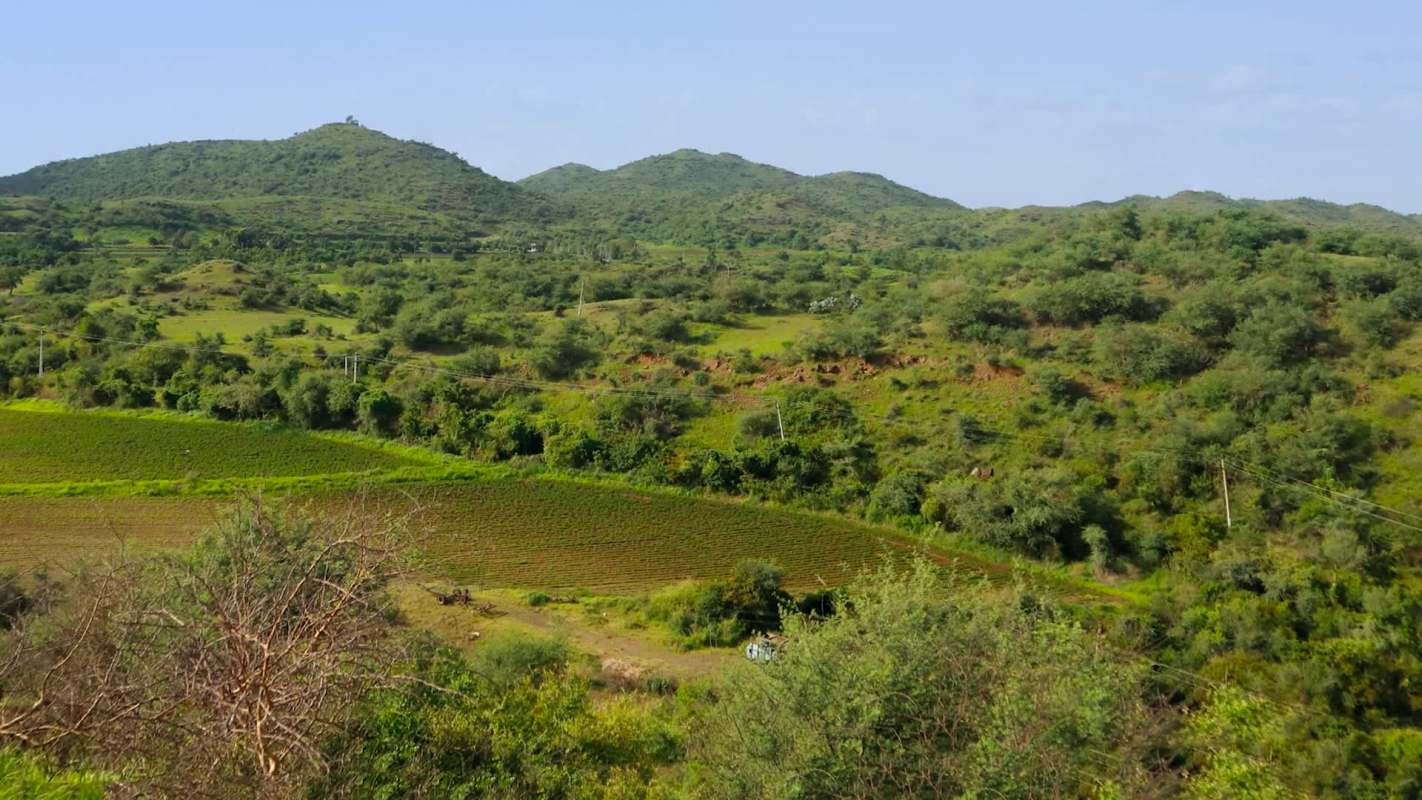
India's western state of Maharashtra has unveiled a controversial plan to capture and relocate leopards from the district of Pune, reported the Pune Times Mirror.
The goal: to ease mounting human-wildlife conflict. But conservationists say the move could destabilize ecosystems, overlook the roots of the problem, and set a troubling precedent for wildlife management across the country.
What's happening?
Following four fatal leopard attacks reported this year in Pune, Maharashtra's forest department announced it would capture roughly 50 leopards from the Junnar forest division — a hotspot for encounters between people and wildlife — and transfer them to an animal rescue and rehabilitation center in Jamnagar, Gujarat.
Officials say the plan is meant to reduce fear and prevent retaliatory killings in densely populated rural areas surrounded by sugarcane fields.
Deputy Chief Minister Ajit Pawar also confirmed that the state plans to open a new leopard rescue facility in Pune, with capacity for up to 200 animals to handle future cases locally.
Why is this capture and transfer of leopards important?
Wildlife experts say large-scale relocation may seem like a fast fix, but it risks long-term ecological fallout. They argue that leopards play a crucial role in balancing prey populations and that mass capture, without identifying specific conflict-causing animals, is both unscientific and ecologically risky.
TCD Picks » Quince Spotlight
💡These best-sellers from Quince deliver affordable, sustainable luxury for all




"This decision may lessen immediate conflicts but could have lasting impacts on both wildlife behavior and human communities," said Pawan Sharma, founder of the Resqink Association for Wildlife Welfare.
Critics also say the relocation plan distracts from the real issue: rapid land-use change. Expanding farmland, human settlements, and fragmented forest corridors have pushed leopards closer to people's homes. Without addressing habitat loss, experts caution, conflict is likely to reappear, possibly in Gujarat this time.
What's being done to address relocation and wildlife encounters?
Forest officials maintain the plan is intended to ease pressure in conflict-prone areas, but wildlife advocates are calling for more sustainable, research-driven approaches. These include tracking and isolating leopards involved in attacks, restoring natural corridors, installing secure nighttime livestock enclosures, and running awareness programs that help communities coexist with wildlife.
Similar coexistence-based models in states like Karnataka and Madhya Pradesh have shown that proactive monitoring and habitat management reduce conflict more effectively than relocation.
For Maharashtra, the real test will be whether it can shift from reaction to prevention. Protecting both people and predators will require more than cages and transport trucks — it will take a commitment to coexistence that keeps ecosystems and communities in balance.
|
Do you think America does a good job of protecting its natural beauty? Click your choice to see results and speak your mind. |
 Definitely 👍
💰Get TCD's free newsletters for easy tips to save more, waste less, and make smarter choices — and earn up to $5,000 toward clean upgrades in TCD's exclusive Rewards Club.







