


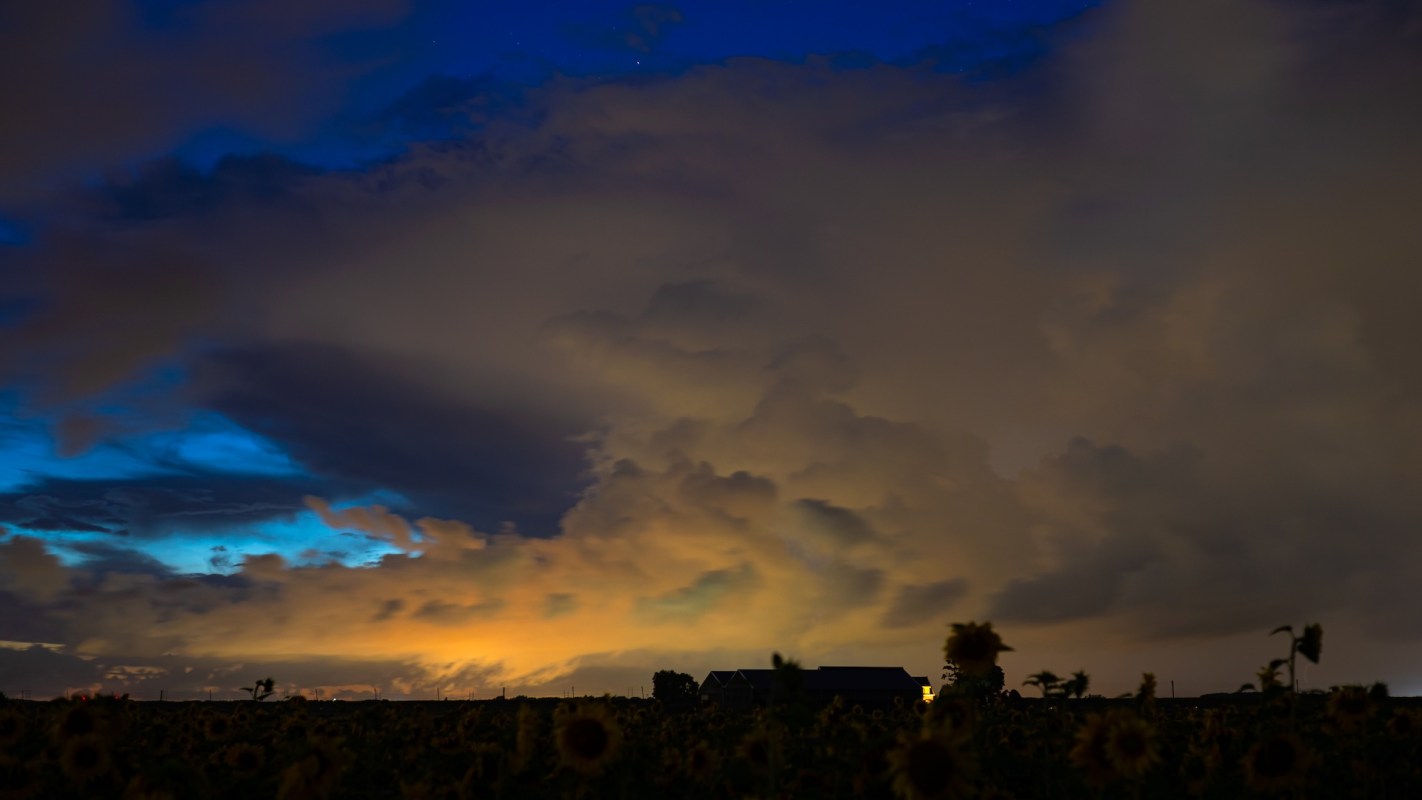
A startup called Reflect Orbital wants to light up the night using reflective satellites to redirect sunlight onto the night side of Earth.
However, experts say this could have an incredible range of dangerous consequences for people, animals, plants, and the planet as a whole, The Guardian reported.
On the surface, Reflect Orbital's plan sounds useful. It intends to launch satellites that would orbit Earth, creating patches of redirected sunlight 5-6 kilometers, or about 3.1-3.7 miles, wide.
According to the company, the light would be equivalent to any light level from "full moon to full noon."
This could have a range of applications, including nighttime solar production; increased agricultural production; and safer, more productive construction sites.
However, the trade-off is profound.
TCD Picks » Quince Spotlight
💡These best-sellers from Quince deliver affordable, sustainable luxury for all




"The proposed scale of orbital deployment would represent a significant alteration of the natural night-time light environment at a planetary scale," the presidents of four international scientific societies — the European Biological Rhythms Society, the Society for Research on Biological Rhythms, the Japanese Society for Chronobiology, and the Canadian Society for Chronobiology — wrote in an open letter to the U. S. Federal Communications Commission.
The agency is considering whether to regulate Reflects Orbital's light-generating activities, along with plans by other companies, such as SpaceX, that could have a similar impact on the night sky, according to The Guardian.
SpaceX proposed launching up to 1 million satellites for a floating artificial intelligence data center.
Unfortunately, satellites have already increased the brightness of the night sky by about 10%, according to Ruskin Hartley, the CEO and executive director of DarkSky International, The Guardian reported.
|
Which of these savings plans for rooftop solar panels would be most appealing for you?
Click your choice to see results and earn rewards to spend on home upgrades. |
 Save $1,000 this year 💸
 While that doesn't sound like much, Canadian Society for Chronobiology President Tami Martino said, "Circadian systems are sensitive to light levels far below what humans typically perceive as bright."
Without the day-night cycle that all life on Earth's surface developed with, functions such as sleep, migration, navigation, and growth are disrupted. Plus, Reflect Orbital's proposal risks problems such as glare and flashes if the equipment malfunctions.
"DarkSky is calling for a full environmental review before proposals like this move forward," Hartley told The Guardian.

Get TCD's free newsletters for easy tips, smart advice, and a chance to earn $5,000 toward home upgrades. To see more stories like this one, change your Google preferences here.







