


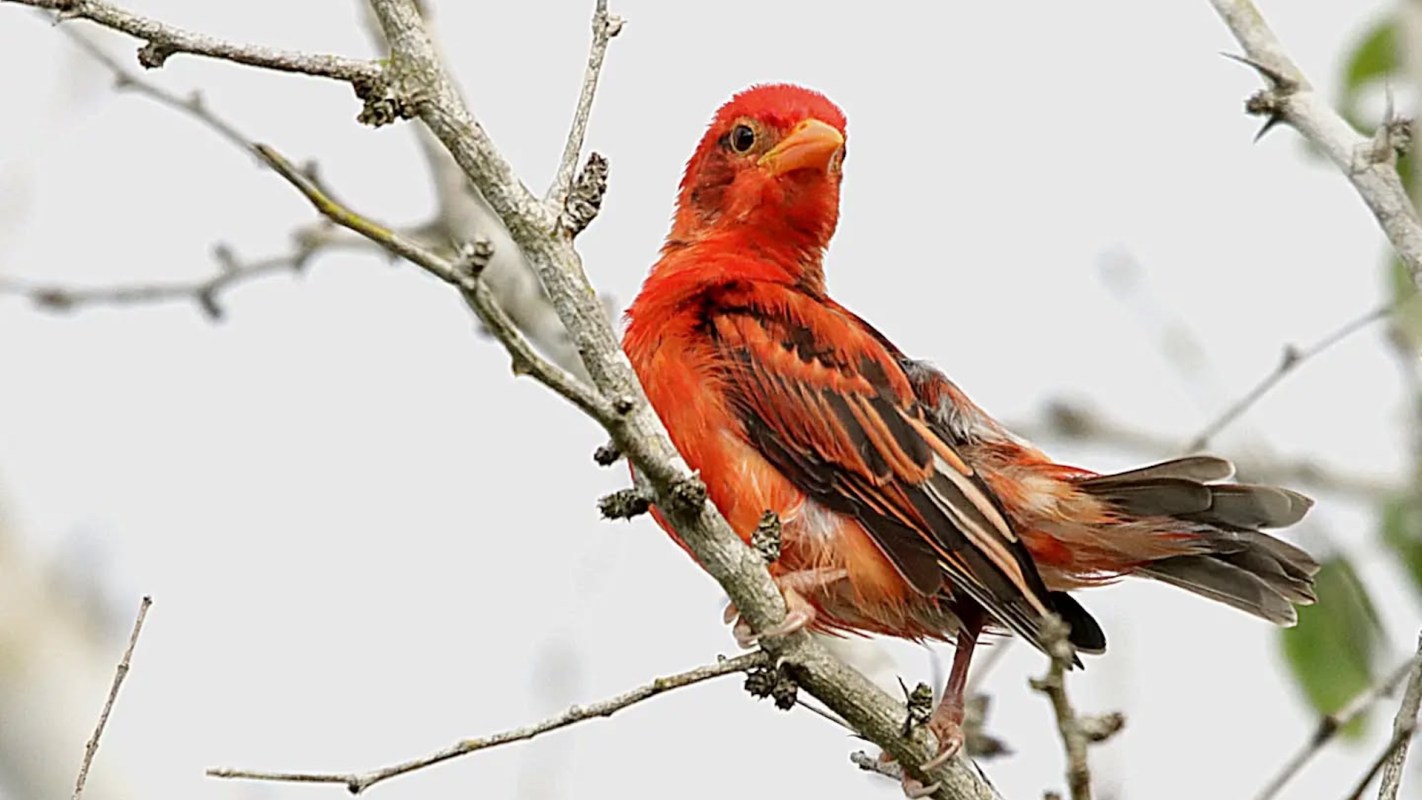
Two Kenyan birders have brought a "lost" species back into view after an 11-day expedition through Kenya's Boni-Dodori Forest.
On July 3, 2026, 29-year-old ornithologist and bird guide James Apolloh Omenya and Simon Odhiambo, a Murang'a County-based conservationist known as The KenyanBirder, confirmed the first sighting of the Red Weaver since 2014.
What happened?
The find quickly attracted attention internationally, Citizen Digital reported.
Because the Red Weaver is known only from Boni-Dodori Forest in Lamu County, each verified record matters in assessing whether the species is still holding on.
Omenya joined the effort through one of five 2026 expedition grants from Ornis Birding x Lost Birds, a program that supports birders ages 18 to 30 looking for species missing from the scientific record.
He set out with two target species in mind: the Red Weaver and the Tana River Cisticola, which was last documented in 1967.
TCD Picks » Quince Spotlight
💡These best-sellers from Quince deliver affordable, sustainable luxury for all




The Search for Lost Birds web portal described the excitement they felt when they finally saw it: "Our birds!" they shouted "as three flashes of red emerged from a bush."
It also emphasized how scarce the species is in photographs: "To our knowledge, the species had been photographed only once before Omenya and his team ventured into the field: in April 2014, when John Musina documented a single male in the Boni-Dodori Forest."
Why does it matter?
Rediscovering a species after more than a decade without documentation can help direct new scientific attention and conservation resources toward the habitat it depends on.
Part of what makes this vibrantly-colored bird notable is how recently its status changed. After the Red Weaver was treated for over a century as a subspecies of the Red-headed Weaver, it was recognized by eBird as a distinct species in 2024, and by 2025 it was already on the Lost Birds list.
The sighting could help shape future surveys and protection efforts.
Birders rarely work in this remote area near the Somalia border because access is difficult and security concerns are significant.
Successful expeditions like this can create opportunities for guides and conservation workers while building momentum to protect landscapes that support both biodiversity and nearby communities.
Healthy forests support wildlife, local livelihoods, and environmental stability.
What's being done?
Pulling off the expedition depended on collaboration.
Alongside Omenya and Odhiambo were environmentalist Dr. Victor Ikawa, Paul Kaberere of the Environmental Compliance Institute, and East Africa guides James Mburu and John Gitiri.
Travel through the difficult terrain also depended on motorcycle riders Mohammed Noor and Charles Manhala, both of Aweer Conservancy, along with a driver identified as Caleb.
Beyond the core field team, the combined work of local chiefs, county officials, village elders, and armed escorts helped make the search possible.
Because of militant risk, the Kenya Defense Forces provided protection in the most remote areas.
Funding younger conservationists and backing local expertise can lead to discoveries that global science might otherwise miss, while strengthening conservation leadership within the communities closest to these habitats.
Odhiambo later said: "We were excited to make the rediscovery of the Red Weaver Bird in Boni-Dodori Forest. This lost bird species, only found in this forest globally, was last sighted more than a decade ago."

Get TCD's free newsletters for easy tips, smart advice, and a chance to earn $5,000 toward home upgrades. To see more stories like this one, change your Google preferences here.







