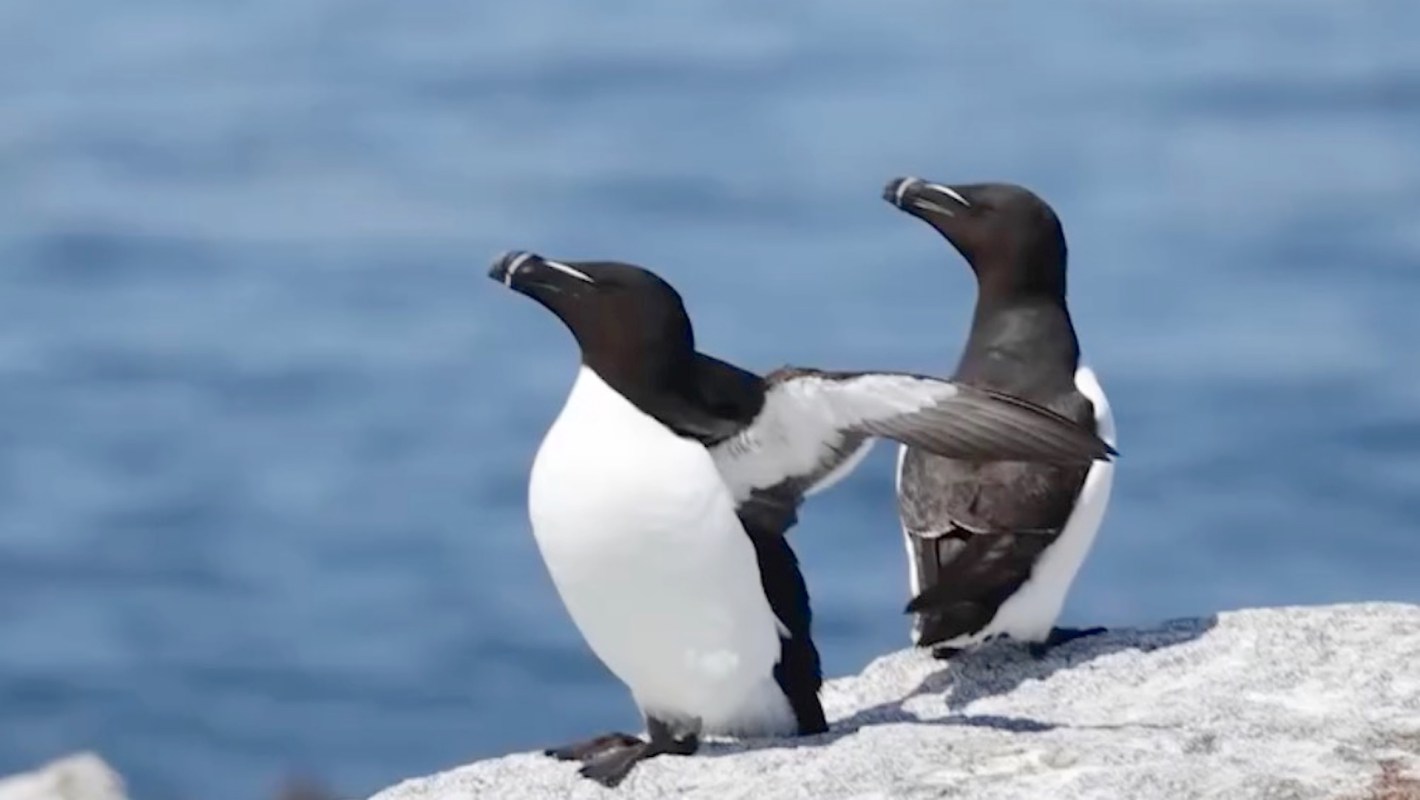
A small seabird milestone in Maine is giving conservationists something big to celebrate.
On Eastern Egg Rock, researchers found a razorbill chick inside a burrow, prompting the National Audubon Society to report that the species is now breeding there.
What's happening?
The National Audubon Society (@audubonsociety) announced the news in a recent social media post, writing, "Great news! Razorbills have started breeding on Eastern Egg Rock in Maine for the first time!"
Audubon's Seabird Institute (@seabirdinstitute) had been regularly spotting razorbills around the island over the past few years, and this season researchers finally located a burrow with a chick inside.
The post said observers had earlier reported a razorbill flying near the island with fish, and researchers also found signs that the birds may have tried to nest there in a previous season.
Project Puffin founder Steve Kress said the discovery is "not only a first breeding record, but also a range extension of around 35 miles!" That means the nesting pair is significant both as a first for Eastern Egg Rock and for the species' breeding range in the area.
TCD Picks » Quince Spotlight
💡These best-sellers from Quince deliver affordable, sustainable luxury for all




One commenter wrote, "I was there earlier this year to see the puffins! So glad to hear this!"
Why does it matter?
When seabirds begin nesting in new places, it can signal that habitat restoration is paying off. Eastern Egg Rock is already well known for puffin recovery, and a successful razorbill nest suggests the island may be supporting a broader range of marine bird life.
Healthy seabird colonies can reflect healthier ocean ecosystems, since birds such as razorbills depend on reliable fish populations and suitable coastal habitats.
Seabirds also help drive ecotourism and connect residents and visitors to local conservation efforts.
Another commenter wrote, "It was so exciting to be there when one of the adults was carrying fish into a den the other week! Amazing to witness a historic moment with one of my favorite birds!"
What's being done?
Researchers have been monitoring the island closely, and years of seabird restoration work have appeared to help make places such as Eastern Egg Rock safer and more hospitable for nesting birds.
Researchers can now watch whether this pair returns, whether the chick fledges successfully, and whether more razorbills are drawn to the island in the coming years.
That data helps conservation groups understand which habitat protections are working and where additional support may be needed.

Get TCD's free newsletters for easy tips, smart advice, and a chance to earn $5,000 toward home upgrades. To see more stories like this one, change your Google preferences here.