


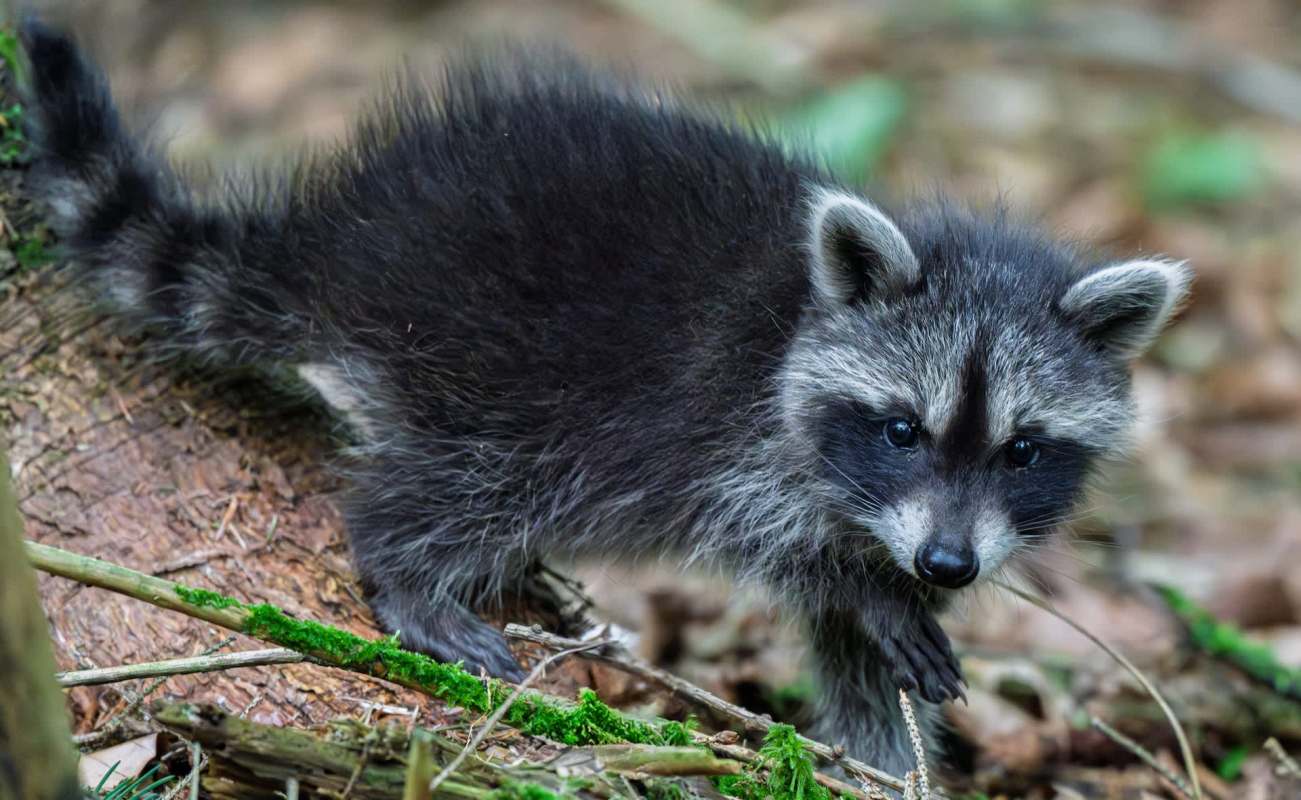
In a part of South Mississippi, orphaned baby raccoons at a wildlife rescue are being prepared for more than a simple return to the woods.
WLOX reported that before release, staffers are providing food and shelter while also teaching the young animals the survival behaviors their mothers would normally pass along.
Here's what to know
The effort, nicknamed "Raccoon Boot Camp," is giving young kits a second chance while also helping maintain the balance of local ecosystems, as the station detailed.
At Woodside Wildlife Rescue in Pass Christian, rehabilitation includes lessons meant to help baby raccoons manage on their own after release. Those sessions involve finding food, climbing, and getting comfortable in the water.
"We take them into the backwoods with worms in our pockets," Woodside Wildlife founder Paula Woodside explained to the station. "And we'll mimic mom finding a food source in the ground. We'll put worms in and act real excited."
Because many of the raccoons arrive very young, sometimes only a few weeks old, before their eyes are even open, they miss out on that early guidance. Without it, they could be released without knowing how to feed themselves or steer clear of danger.
TCD Picks » Quince Spotlight
💡These best-sellers from Quince deliver affordable, sustainable luxury for all




More background
Woodside Wildlife Rescue director Raquel Priest said those lessons are essential if the animals are going to have a real shot at survival.
"They don't automatically know that inside of an acorn, it's edible," Priest told the station. "They don't know that you strip the spiky parts off of a pine cone. There's nuts in there."
Because the animals will eventually return to hurricane-prone South Mississippi, rehabbers also make water confidence part of the training. Raccoons are natural swimmers, but staff still want the young animals comfortable in the water before release.
The rescue team is also trying to reduce risks created by people by helping the animals evade live traps.
Even when trapping and relocating a wild raccoon seems helpful, Priest told WLOX it can do more harm than good. An animal moved into unfamiliar territory may lose access to food or water, spread disease, or end up in conflict with raccoons already living there.
What's being done?
That preparation happens during rehabilitation rather than at the last minute. Before release, the raccoons are vaccinated to help protect against disease.
That work supports the environment, too. Priest said raccoons help regulate other species that affect daily life in the region, including snakes and rodents. When native animals are healthy and able to fill their ecological roles, nearby communities can benefit from a more balanced local habitat.
The rescue team emphasized that raccoons are wild animals, not household pets. As they grow, they can become destructive indoors and may struggle to readjust if they become too attached to people.
"We just want them to have the best chance possible," Woodside concluded. "We invest so much time and love and energy into these guys. We don't want them to fail."

Get TCD's free newsletters for easy tips, smart advice, and a chance to earn $5,000 toward home upgrades. To see more stories like this one, change your Google preferences here.







