


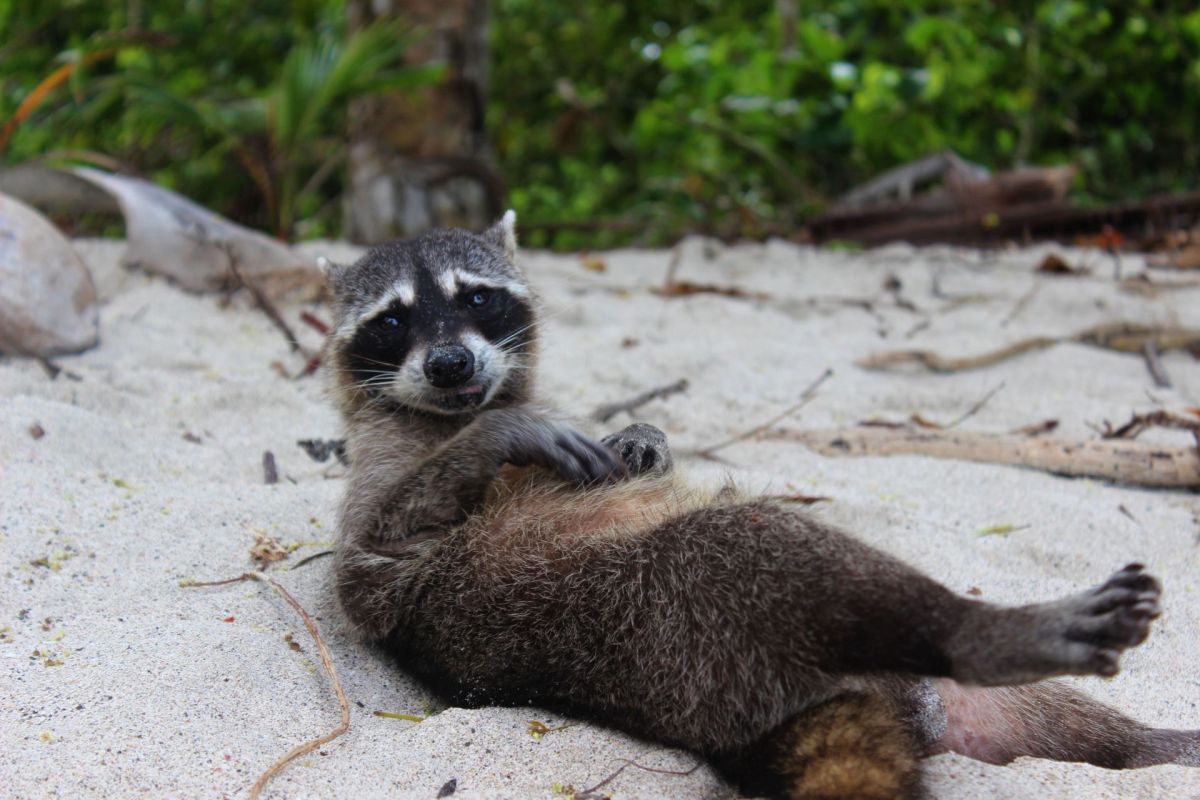
Beachgoers on Galveston's east-end Seawall are being encouraged to stop feeding raccoons after a rise in raccoon bites has sparked concerns about possible rabies exposure.
According to city officials, repeated feeding is helping create the problem by training the animals to seek out food from people.
Here's what to know
A city animal services supervisor counted 21 raccoons along that stretch of the Seawall, many gathered near signs telling visitors not to feed them. Over about two weeks, seven raccoon bites were reported there, according to KPRC 2.
Josh Henderson, a supervisor with Galveston Animal Services, said feeding has caused raccoons to lose their natural wariness of people, causing unusually bold behavior.
"All of these snacks being delivered to the raccoons — whether it's cat food or your leftover McDonald's — is far outside of their normal diet," Henderson said.
Henderson said repeated feeding in the same location has taught the raccoons to show up expecting a convenient snack. That raises the risk of scratches and bites for visitors, while also stripping away the caution that normally helps keep wildlife and humans separated.
TCD Picks » Quince Spotlight
💡These best-sellers from Quince deliver affordable, sustainable luxury for all




The station also reported seeing a couple feed raccoons near posted warning signs who had reportedly said they didn't notice the signage.
More background
City officials have been dealing with the Seawall raccoon problem since 2025, Henderson said, using warning signs and relocating nine raccoons in an attempt to get the situation under control.
Rabies adds a serious health risk to this issue. Officials say raccoons are among the animals commonly associated with the disease, but Henderson noted that testing for rabies requires euthanizing the animal, which makes broad testing of the raccoon population both difficult and ethically complicated.
What can be done?
Officials' main message is simple: Do not feed raccoons. Even small scraps or pet food can make them associate people with an easy meal, reinforcing behavior that officials are actively trying to stop.
Visitors should also keep their distance, especially when raccoons seem unusually comfortable around people. Taking photos from afar is much safer than trying to interact with an animal that may look calm but has been conditioned to approach humans for food.
Dr. Philip Keiser, CEO of the Galveston County Local Health Authority, told KPRC 2 that a bite or scratch requires immediate action.
"Wash the wound right away — but then seek care. Don't wait days," Keiser said. "You'll get some injections in the wound which will neutralize it and then undergo a series of antibodies."
Officials say they are continuing public education efforts and urging visitors to pay attention to posted warnings so the problem does not get worse.
As Henderson put it, "When I came out here yesterday morning, they're just lined up, coming right up. I had them chewing on my boots. Just begging. No fear. Zero fear."

Get TCD's free newsletters for easy tips, smart advice, and a chance to earn $5,000 toward home upgrades. To see more stories like this one, change your Google preferences here.







