


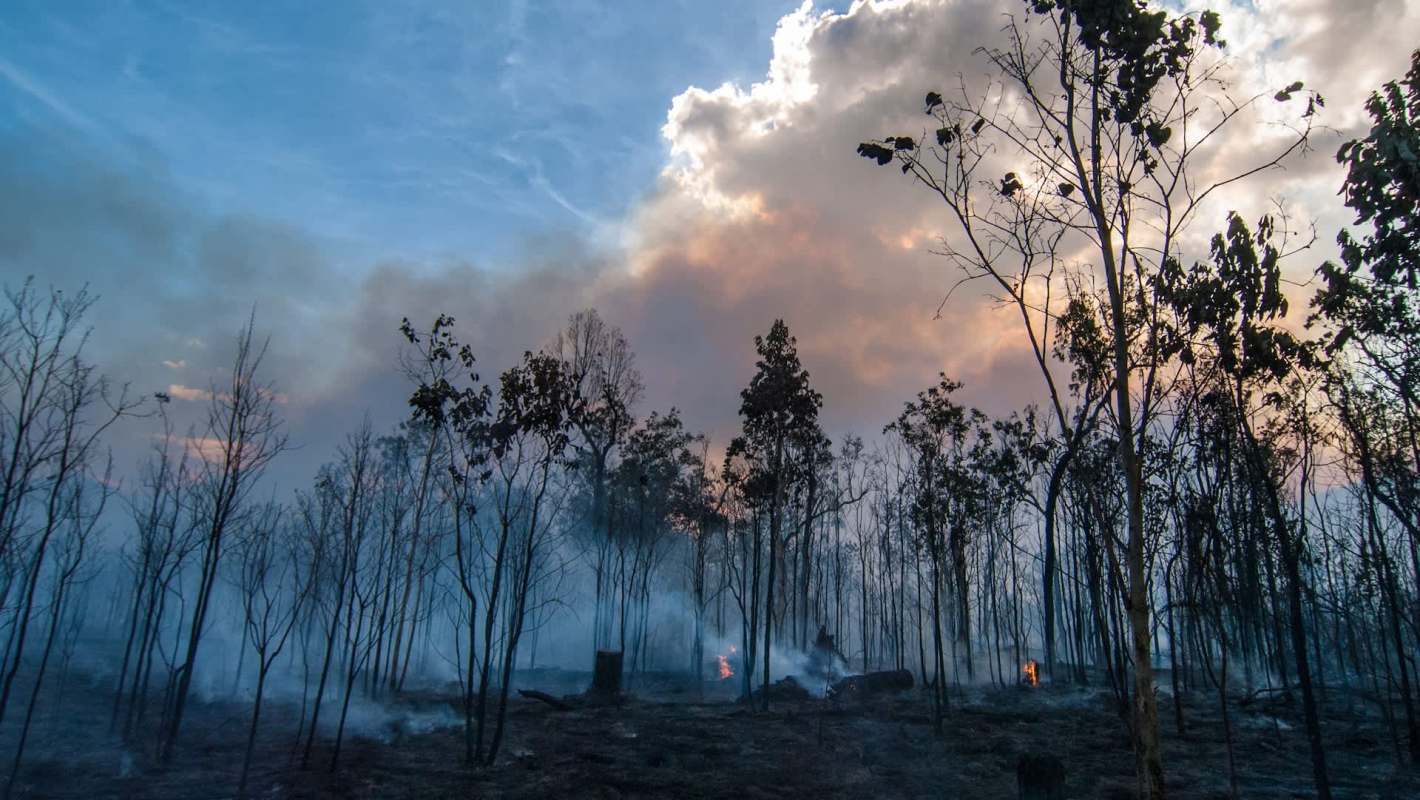
Queensland is shoring up one of its most important defenses ahead of bushfire season: planned burns across national parks and state forests.
The strategy is meant to cut fire risk before dangerous conditions set in, while also helping protect nearby homes, communities, and ecosystems.
Here's what to know
According to a Queensland government statement, rangers with the Queensland Parks and Wildlife Service carried out 546 planned burns in 2025-26, treating a record 2.42 million acres (981,081 hectares) and exceeding the total from 2024-25.
Officials said the work forms part of the Crisafulli Government's "More Rangers, Better Neighbours" approach, which aims to reduce fuel loads, maintain the health of protected areas, and lessen bushfire risk for nearby communities.
The statement linked that outcome to the government's move to keep 40 specialist fire ranger roles that it said had been left unfunded under the former Labor government. It said retaining those positions helps maintain frontline capacity for fire planning and park management across Queensland.
The statement also included this description from Queensland's environment and tourism minister, Minister Powell.
TCD Picks » Quince Spotlight
💡These best-sellers from Quince deliver affordable, sustainable luxury for all




"This is about doing the work before bushfire season — reducing fuel loads, looking after our national parks and making them better neighbours for Queensland communities," Powell said.
More background
Hazard reduction burns have long been used as a land management tool in fire-prone regions, but the scale of this effort is notable.
When excess vegetation and leaf litter build up, fires can burn hotter and spread faster, threatening houses, roads, tourism areas, and critical habitat. Reducing those fuel loads can make fires easier to manage while lowering the risk of catastrophic damage in neighboring communities.
Susan Scott, the Queensland Parks and Wildlife Service Fire Services Director, said planned burning supports both bushfire preparedness and ecosystem health.
What's being done?
Burning operations are still continuing in parts of Queensland, with weather-dependent work planned in Little Mulgrave Park, Bellthorpe National Park, Gadgarra National Park, and Mount Windsor National Park.
As conditions allow, fire-trained rangers will keep conducting prescribed burns in national parks and state forests. Those operations rely on narrow weather windows so they can be carried out safely and effectively.
Scott also encouraged people to check Park Alerts before visiting and to stay aware of fire conditions in their area.
"Every planned burn we deliver is contributing to a healthier environment and a more bushfire-resilient state, which is especially important as we enter the 2026 bushfire risk period," Scott said.
Where can I learn more?
Queensland's prescribed burning campaign is part of a push to cut fuel loads and protect public land before extreme fire weather arrives. Elsewhere, communities are trying a range of approaches to lower wildfire risk and support healthier ecosystems.
• In Poway, California, officials approved removing over 2,500 trees from public areas to lower wildfire danger.
• In California, volunteers spent years restoring native plants in a park increasingly exposed to wildfire.

Get TCD's free newsletters for easy tips, smart advice, and a chance to earn $5,000 toward home upgrades. To see more stories like this one, change your Google preferences here.







