


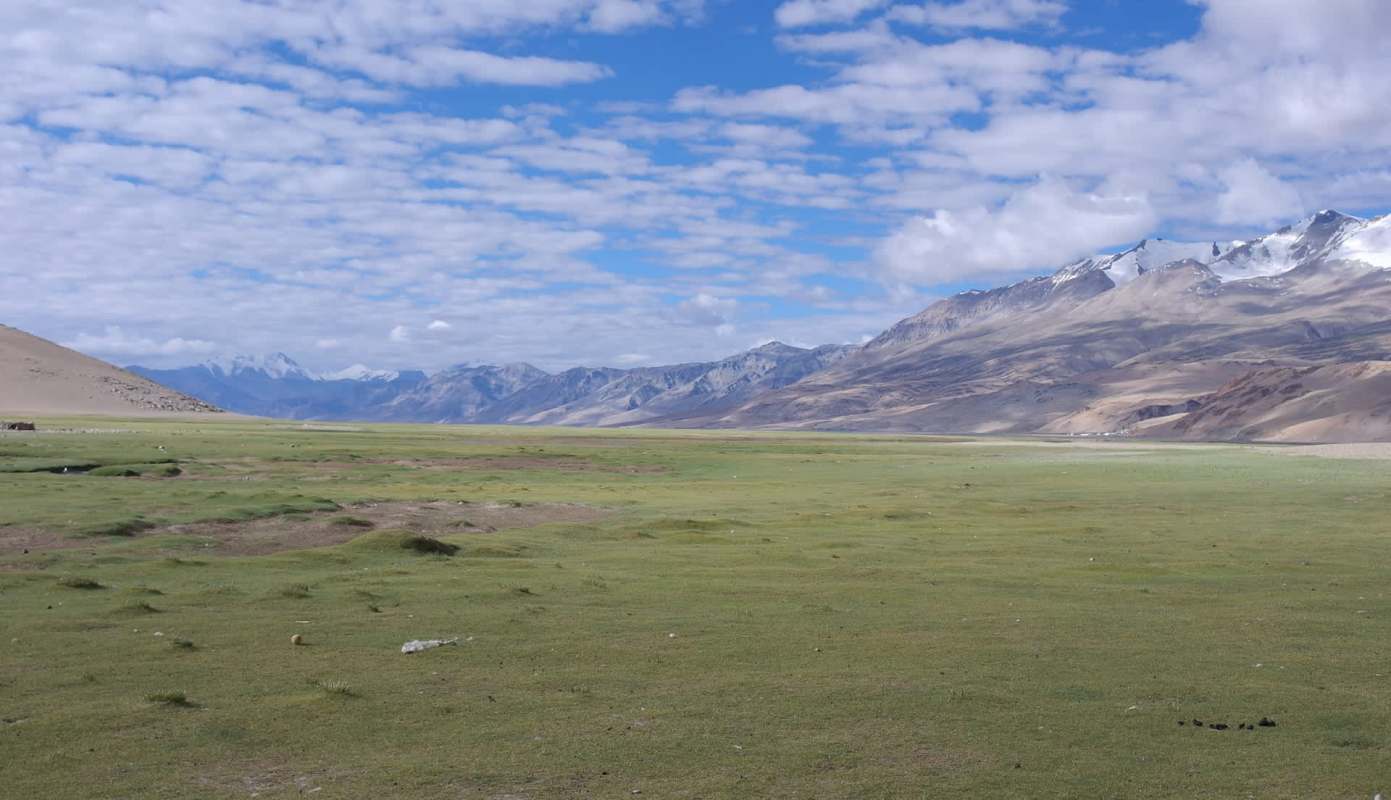
Conservationists in India have released 15 pygmy hogs, the world's smallest pigs, back into the grasslands of Manas National Park in Assam, marking a major milestone for a species once feared extinct.
What happened?
According to Discover Wildlife, the animals released in the Kuribeel grasslands of Manas National Park stand about 9.8 inches (25 centimeters) tall and weigh between 13.2 and 19.8 pounds (6 and 9 kilograms).
Durrell Wildlife Conservation Trust (@DurrellWildlife) shared the moment on its YouTube account.
In the caption, the Trust said this is the first time pygmy hogs have been brought back to that location since six were taken from the area in 1996 to launch a captive-breeding program. The species had been thought extinct before it was rediscovered in 1971, Discover Wildlife noted.
After that, the Pygmy Hog Conservation Programme, led by Durrell, kept the animals in captivity and bred them to build an insurance population, helping reduce the risk of the species disappearing entirely.
The Trust said that 194 pygmy hogs have been returned to wild habitat since the effort began.
TCD Picks » Quince Spotlight
💡These best-sellers from Quince deliver affordable, sustainable luxury for all




"The continued release and monitoring of captive-bred pygmy hogs is an important step toward establishing a self-sustaining population in the newly restored grassland habitats," PHCP director Parag Jyoti Deka said, per Discover Wildlife.
Why does it matter?
At just 9.8 inches (25 centimeters) tall, the pygmy hog can easily disappear when grassland habitat is degraded. Judging by the reaction to the video by YouTube commenters, that would be a real shame.
"They're running free!" a user reacted. "May they live wonderful lives."
Another commenter made sure to distinguish pygmy hogs from the feral hogs that pose a menace to American farmers and residents in the South and Southwest.
What's being done?
As Discover Wildlife described, the reintroduction was only possible after an eight-year effort to restore the Kuribeel grasslands, creating a safer and more suitable place for the pigs to live. The program combines captive breeding with habitat restoration.
Deka told the outlet the team is using "camera-trap and sign surveys along with a radio-telemetry tracking of five pygmy hogs to assess their behaviour, survival, and habitat use after reintroduction."
The team aims to free 80 more pygmy hogs and eventually restore a wild population of about 300 by 2040, according to the Trust.
"Every additional step we take, gives us opportunity to learn and create a better, stronger future for this fascinating species," Deka concluded, per Discover Wildlife.

Get TCD's free newsletters for easy tips, smart advice, and a chance to earn $5,000 toward home upgrades. To see more stories like this one, change your Google preferences here.







