


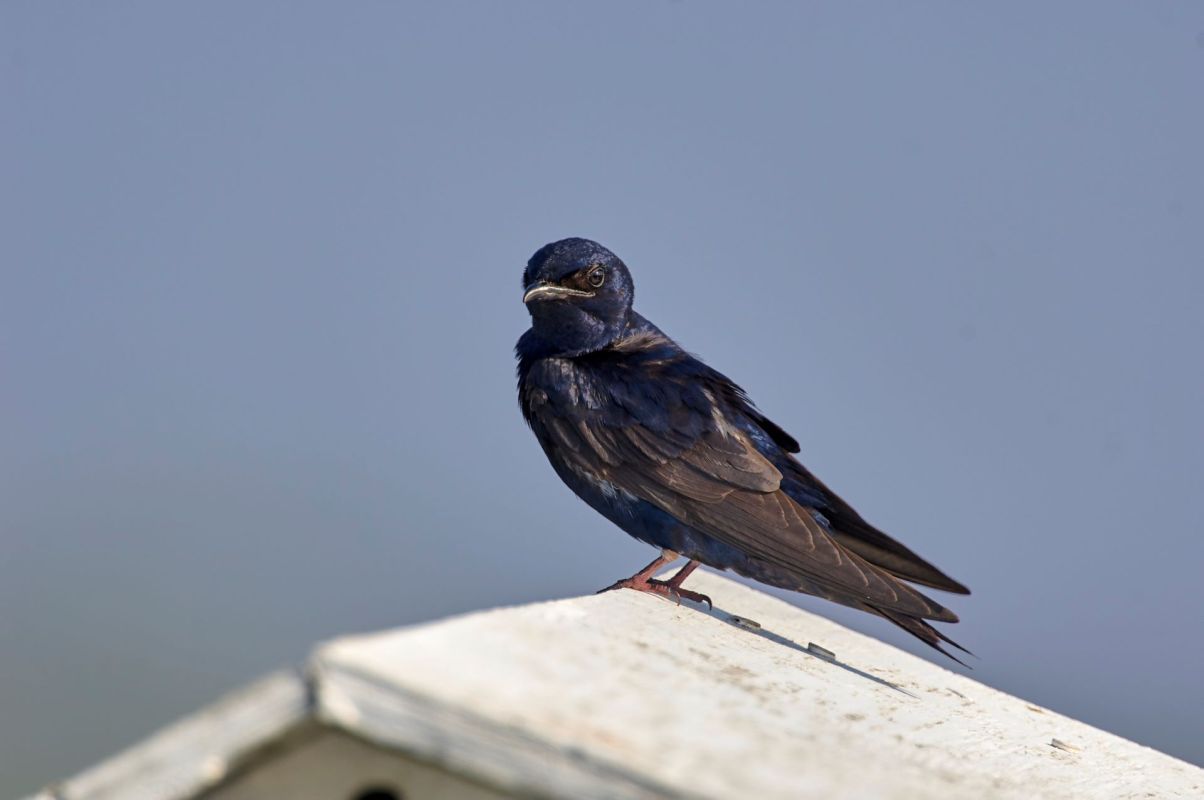
It is no secret that our world is facing many environmental challenges. But through cooperation and collaboration, there is much we can do to fight back, as the Purple Martin Conservation Programs so beautifully demonstrate.
The programs encourage citizens to become cooperative scientists and not only help house the birds, but also provide critical data on their numbers and movement through the Project MartinWatch initiative. Interested citizens are encouraged to conduct weekly nest checks throughout the breeding season and monitor colonies. Volunteers are also helping to track egg laying, chick hatching, and mortality rates.
In addition, the Purple Martin Conservation Association has partnered with the Tucson Bird Alliance to help track adult purple martins using satellite technology. This use of cutting-edge innovation is crucial for gathering data on the birds. Local chapters of bird conservation organizations across the country are using their resources to educate the public on how to provide the best housing for threatened birds.
Finding housing is critical for the birds as they are losing habitats rapidly. Urban development has eliminated traditional sites for nests, and climate change has altered the insect populations that martins depend on for food.
This is only the latest success story in the field of conservation. A species of bird called Darwin's flycatcher was rescued from the edge of extinction by a collaboration between the Charles Darwin Foundation, the University of Vienna, and the nonprofit Galápagos Conservancy.
The U.S. Department of Agriculture's Natural Resources Conservation Service and the California Department of Fish and Wildlife worked to protect the tricolored blackbird, which had reached historically low numbers because of farming practices.
Perk up the winter blues with natural, hemp-derived gummies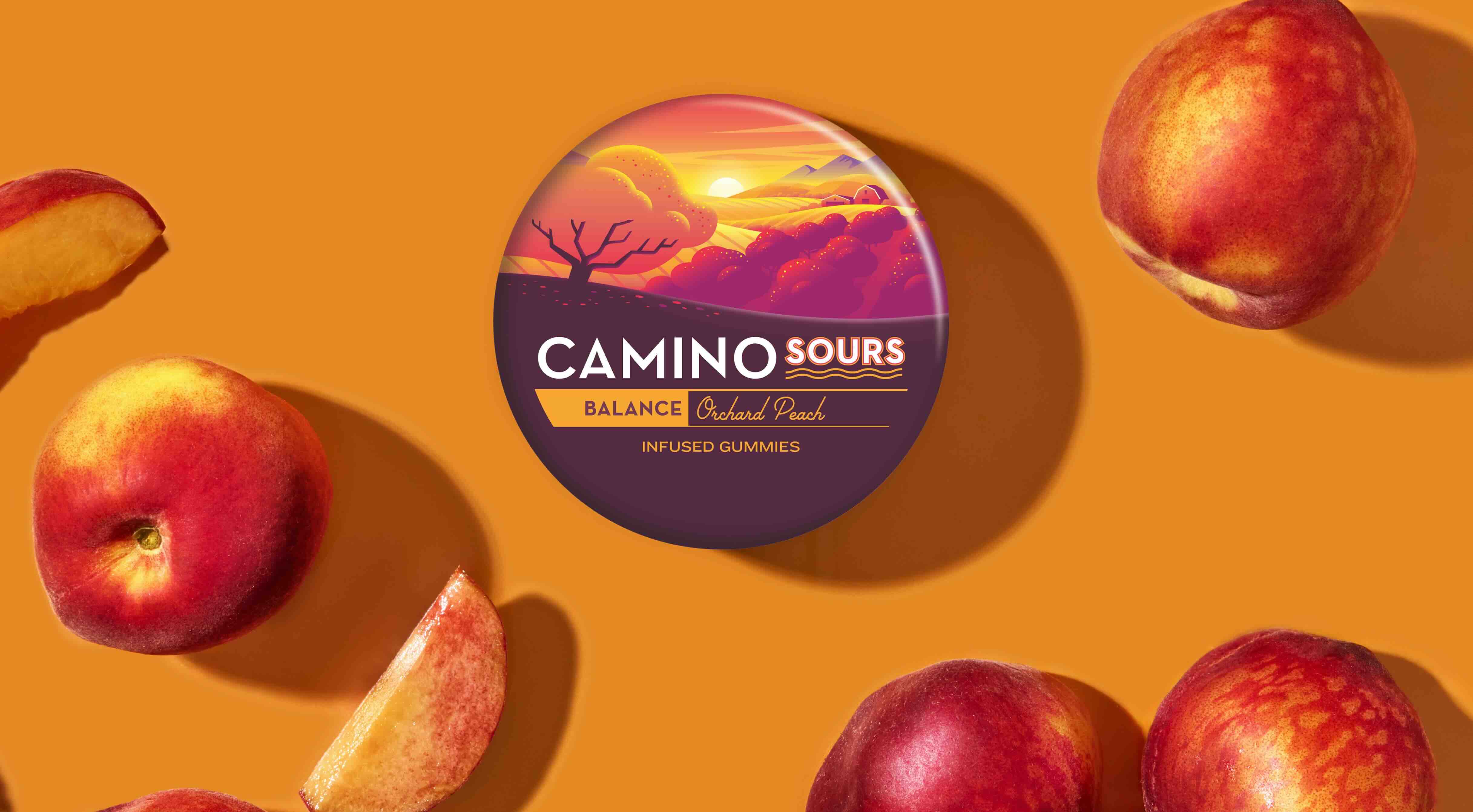 Camino's hemp-derived gummies naturally support balance and recovery without disrupting your routine, so you can enjoy reliable, consistent dosing without guesswork or habit-forming ingredients. Flavors like sparkling pear for social events and tropical-burst for recovery deliver a sophisticated, elevated taste experience — and orchard peach for balance offers everyday support for managing stress while staying clear-headed and elevated.
Learn more → |

Conservation efforts like the ones enacted to save the purple martin rely on education. Learning about the birds and their habits puts citizen scientists in the best position to help them. Taking local action in our communities ensures that conservation efforts like this succeed. Donating to climate causes provides the funding needed to implement these important programs and continue developing technological advancements that help make them successful.
|
Do you think kids learn enough about gardening in school? Click your choice to see results and speak your mind. |
 Not even close 🧑🌾
Join our free newsletter for good news and useful tips, and don't miss this cool list of easy ways to help yourself while helping the planet.
Cool Picks






