


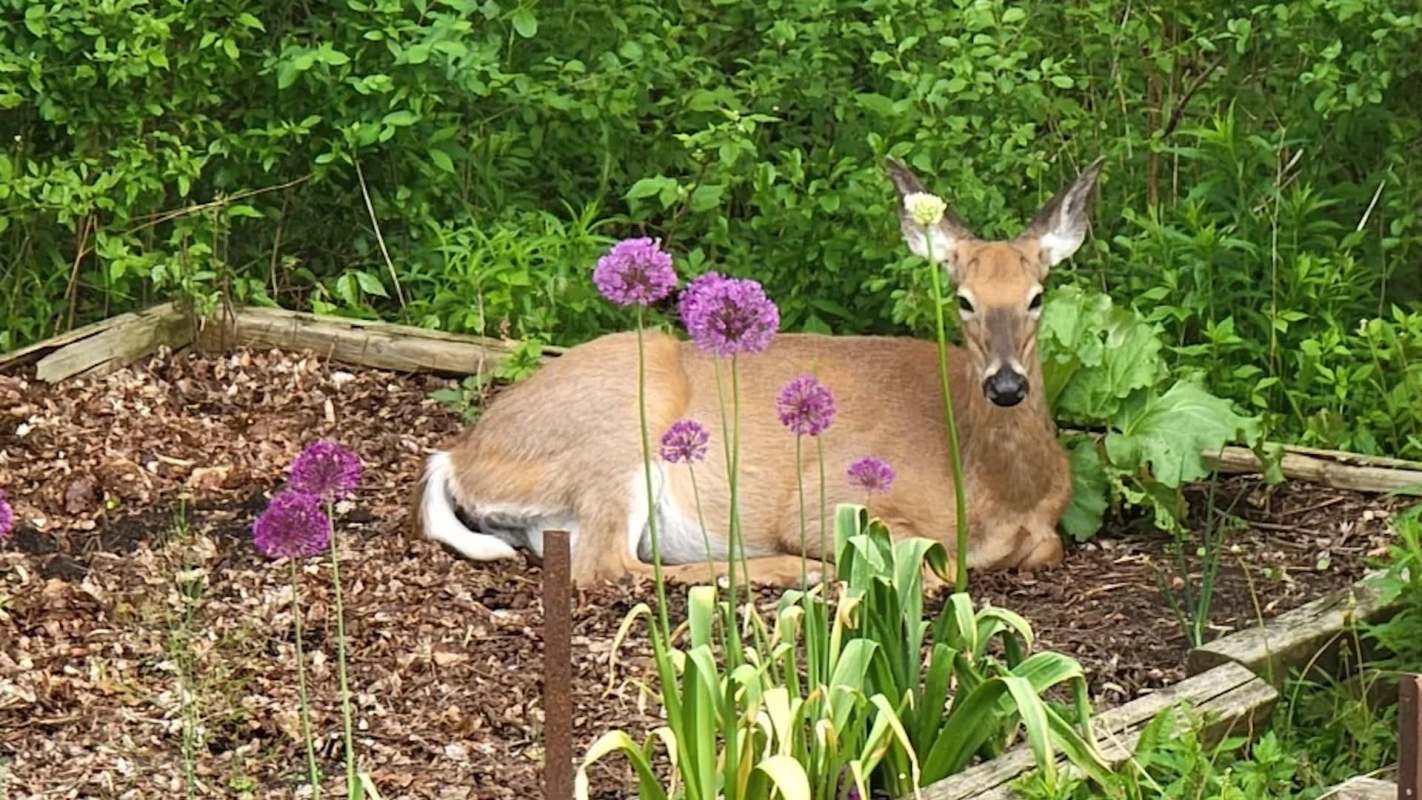
A gardener's latest backyard visitor wasn't nibbling at the harvest — she was resting in it.
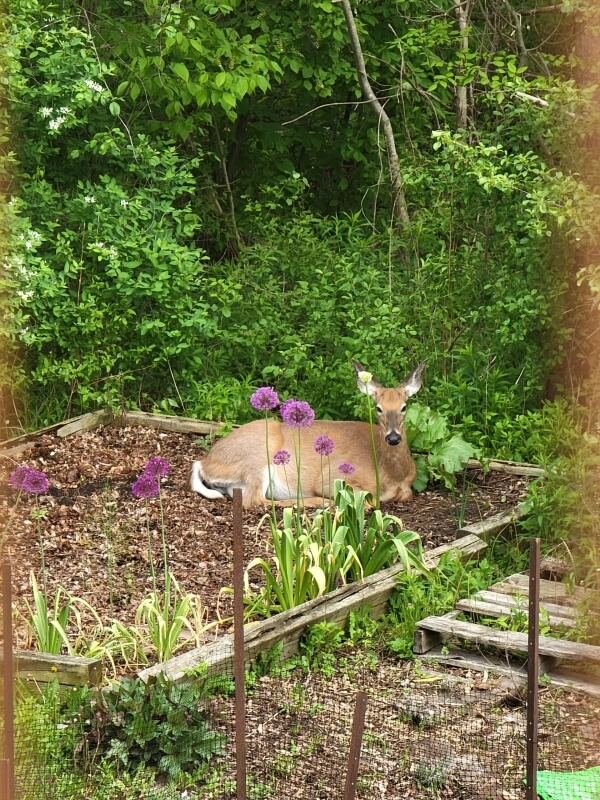
In a Reddit post that quickly charmed thousands of people, the original poster shared a photo of what appeared to be a heavily pregnant doe resting in an asparagus patch during the day, prompting the gardener to joke: "I guess my yard is officially a deer-friendly zone!"
The photo was shared in Reddit's r/gardening community on May 20 and has racked up more than 23,000 upvotes and hundreds of comments, with readers reacting with a mix of delight, sympathy, and recognition.
The image showed the doe lounging comfortably in a cultivated garden bed, which many suburban gardeners said felt all too familiar. In the comments, people traded stories about deer eating everything from hostas and tulips to blueberries, while others joked that the asparagus patch had effectively become protected territory.
Behind the humor is a concerning trend: Deer are becoming increasingly comfortable in human-dominated spaces. As neighborhoods continue expanding into former habitat and predators remain scarce in many suburban areas, yards and gardens can become easy sources of food, shelter, and even nursery space for wildlife.
That helps explain why a pregnant doe might choose a quiet, landscaped yard over a more remote area, even if it leaves the gardener wondering who the plot really belongs to. Moments like this can be heartwarming, but they also highlight a growing challenge of suburban life: People and wildlife are sharing more space than ever, and not always on human terms.
TCD Picks » Quince Spotlight
💡These best-sellers from Quince deliver affordable, sustainable luxury for all




Deer pressure can mean lost crops, damaged ornamental plants, and added costs for fencing and deterrents. One gardener in the discussion summed up the frustration by writing: "All good until she eats all the plants in the garden."
At the same time, the photo reflects a broader environmental reality. Human development has fragmented natural habitat while unintentionally creating attractive alternatives, such as irrigated lawns, ornamental beds, and edible gardens. The result is that animals can become regular backyard visitors, not because they are "invading," but because people have reshaped the landscape around them.
That overlap can create tension, but it can also encourage homeowners to think more carefully about how to garden in ways that protect plants while respecting local wildlife.
Commenters offered a familiar range of solutions, from resigned acceptance to full defensive measures. The most common hard-line advice was fencing. One person commented: "8-foot deer fence is the only thing that works. Anything shorter and they jump it."
Others suggested less intensive options for protecting specific crops. One commenter recommended putting asparagus inside a chicken-wire cage, while another advised spraying an egg-based deer repellent weekly through fawning season. These approaches may not make a yard deer-free, but they can help reduce damage in targeted areas.
Gardeners can also rethink what and where they plant. High-value edibles and vulnerable ornamentals often do better closer to the house or behind barriers, while more deer-tolerant plants can be placed along exposed borders. In areas with especially active deer populations, some gardeners say they simply plant extra and expect to share.
Many people in the comments shared frustrations about deer destroying their gardens, while also loving the wildlife they get to experience. Rewilding your yard with native plants is an excellent way to support the local ecosystem while also saving you time and money.
"My neighbor gets the same doe every year and last year she had twins. They ate everyone's hostas and no one cared," another Reddit user said.
Meanwhile, the OP shared a similar sentiment, writing: "I know I should be upset, but I still get such a thrill at seeing these animals up close. I figure it's up to me to plant or build deer-proof gardens since my yard backs into a natural space."

Get TCD's free newsletters for easy tips, smart advice, and a chance to earn $5,000 toward home upgrades. To see more stories like this one, change your Google preferences here.







