


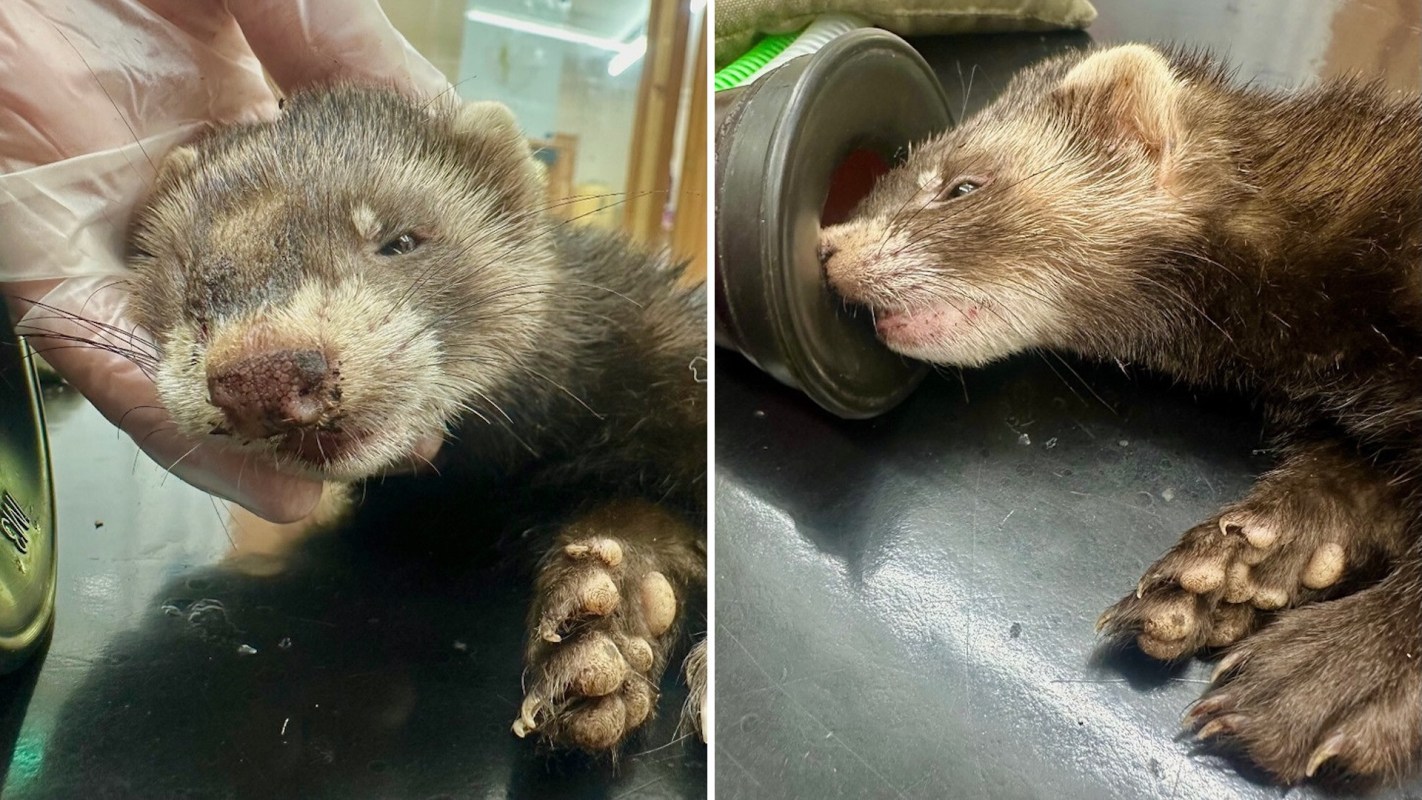
A female polecat was taken in after a car strike left her critically injured. For communities that value native wildlife, it was another stark reminder of how quickly road collisions can wipe out fragile progress.
Here's what to know
Wildlife Aid Foundation, a U.K. rescue organization, posted on Instagram about a polecat it received after the animal was badly injured in a road collision.
According to the group, she was unable to move when she arrived and was "collapsed and in shock, with significant wounds on her face and head."
Despite emergency care, she did not recover. The team said it "did everything they could to make her feel comfortable." Even so, "Sadly, despite their best efforts, her injuries were just too severe."
More background
When native wildlife is struck by vehicles, the effects can ripple outward. Rescue staff must devote time and resources to urgent care, drivers may be left shaken, and communities lose part of the biodiversity that helps keep local landscapes healthier and more resilient.
Near wooded areas, fields, or roads that cut through habitat, these collisions are a daily conservation problem. Roads can be deadly for animals simply trying to move through their range.
TCD Picks » Quince Spotlight
💡These best-sellers from Quince deliver affordable, sustainable luxury for all




The species' rarity at the rescue center is part of why the case stands out. Wildlife Aid Foundation said, "We don't often admit polecats to WAF," so each admission becomes an unusual chance to help a native animal in crisis.
When animals are repeatedly injured or killed on roads, it becomes harder to sustain the natural balance that communities depend on.
What can be done?
Rescue groups such as Wildlife Aid Foundation are already doing one of the most important jobs: responding quickly, providing expert treatment, and documenting what they see.
Even when a case ends badly, that work can help raise awareness about preventable dangers facing wildlife.

Get TCD's free newsletters for easy tips, smart advice, and a chance to earn $5,000 toward home upgrades. To see more stories like this one, change your Google preferences here.







