


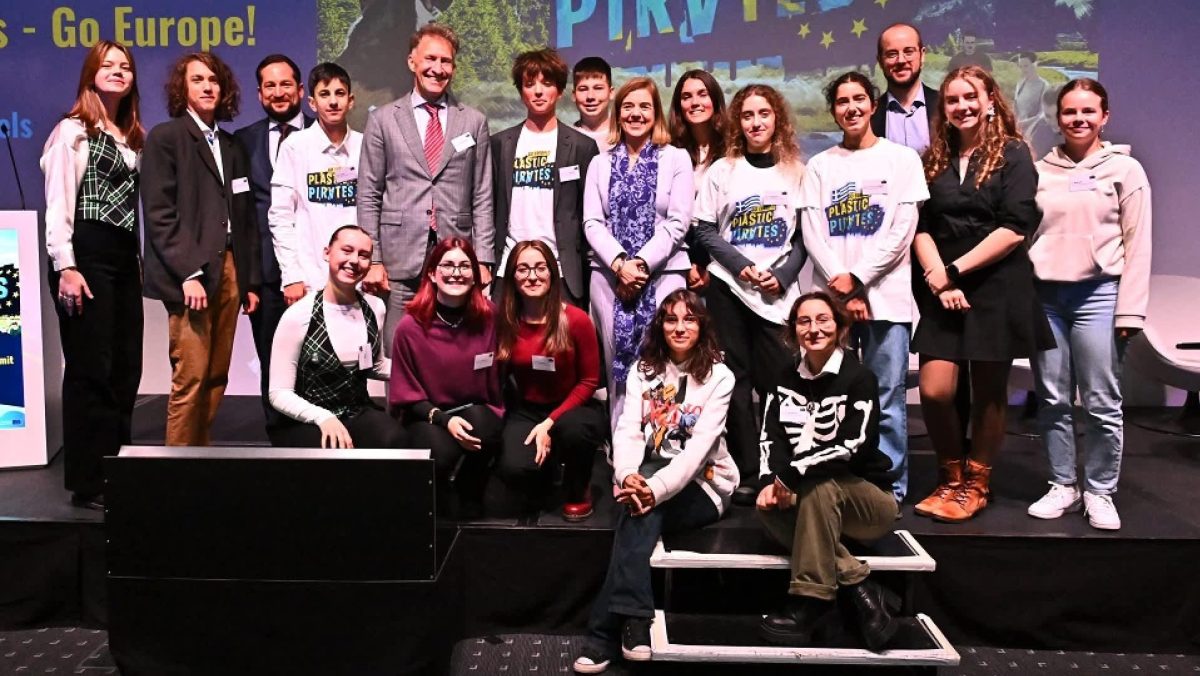
A European student-led science program has turned more than 25,000 young people into plastic pollution researchers, reported the European Climate, Infrastructure and Environment Executive Agency.
The Plastic Pirates Go Europe! program, backed by Horizon Europe's Restore our Ocean and Waters mission, teaches young people to gather field data on waterway contamination. Participants study how plastic affects rivers and coastal areas, then head out with standardized sampling tools to document their findings.
The effort was launched in Germany in 2016 on a smaller scale. During Germany's 2020 turn leading the European Union, organizers brought Portugal and Slovenia into the fold. A 2022 Horizon Europe grant expanded the campaign across 14 countries, with more than 26 research groups now checking and confirming the information students submit.
The problem these young researchers address is large. Each year, oceans receive roughly 11 million tons of plastic, with rivers carrying as much as 2 million tons of that total. Monitoring pollution along winding river networks takes funding and staff that most research teams lack.
By training tens of thousands of student volunteers to use proper sampling methods, Plastic Pirates fills that gap in a way traditional research teams can't.
From 2022 to 2025, participants logged over 1,200 confirmed datasets from over 360 rivers across the continent. They cataloged more than 93,700 plastic pieces, with single-use products accounting for over half.
The benefit extends past the data. In surveys, 99% of teachers said the program changed how their students view plastic reduction. The model has also reached other continents, with test programs now active in Barbados, Ecuador, Chile, and Egypt.
For the young people involved, the work creates a direct link between their neighborhoods and broader environmental protection. They witness how the data they gather shapes environmental rules and gain hands-on experience with scientific methods that textbooks alone cannot provide.
"We are the generation that can still make a difference. And we already started," said one student ambassador.
|
How concerned are you about the plastic waste in our oceans? Click your choice to see results and speak your mind. |
 Extremely 😫
Get TCD's free newsletters for easy tips to save more, waste less, and make smarter choices — and earn up to $5,000 toward clean upgrades in TCD's exclusive Rewards Club.
TCD Picks » Quince Spotlight
💡These best-sellers from Quince deliver affordable, sustainable luxury for all




Cool Picks






